Tourism deal puts one of Egypt's last wild shores at risk / Photo: Khaled DESOUKI - AFP

 SGFX Creates a Standout Brand Experience at Forex Expo Dubai 2026
 Pope urges Europe to help combat 'deceit and lies' in international ties

 Injured Buttler to miss England ODI series in Pakistan
 Madrid housing protesters vow to maintain pressure on government
 In kayaks or waist-deep in floodwater, shoppers return to Bangkok markets

 UK police probes Iran link to air base bomb scare: media

 Eala blasts into Asian Games quarters in just 55 minutes
 Taiwan gender-row boxer Lin Yu-ting guarantees Asian Games medal

 Comedian on trial for allegedly insulting Erdogan in standup show

 More Asian Games transport woes as bus takes Pakistan to wrong venue
 Death toll in South Africa bar shooting rises to 18
 Aide to Venezuelan opposition leader returns from exile

 Messi and Alcaraz love it, now padel takes step closer to Olympics
 Tolls mount in Thailand, Myanmar floods
 Why India's opposition wants top poll official out

 PU Prime Strengthens UAE Momentum with Strong Showing at Forex Expo Dubai 2026
 Eight dead in Thailand floods since mid-September
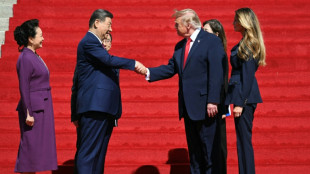
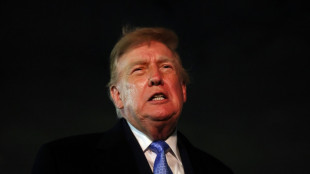 Oil prices spike after Trump rejects Iran truce offer

 Taylor Swift sets new record at MTV VMAs
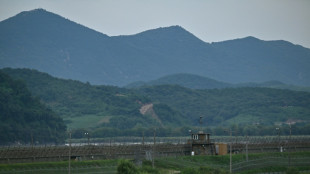
 Seoul seeks apology after Ukraine reveals transfer of North Korean POWs
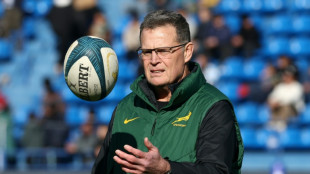
 Messi on target again but Miami downed by Columbus

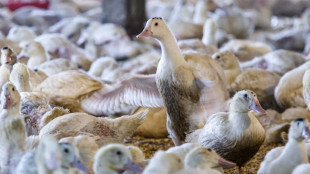 In Washington's political cauldron, a fight over foie gras

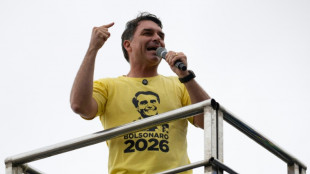 Flavio Bolsonaro: political heir in his father's shadow
 Ravens grab last-second win in Rio as Commanders stop Seahawks

 USA rallies to capture 11th consecutive Presidents Cup

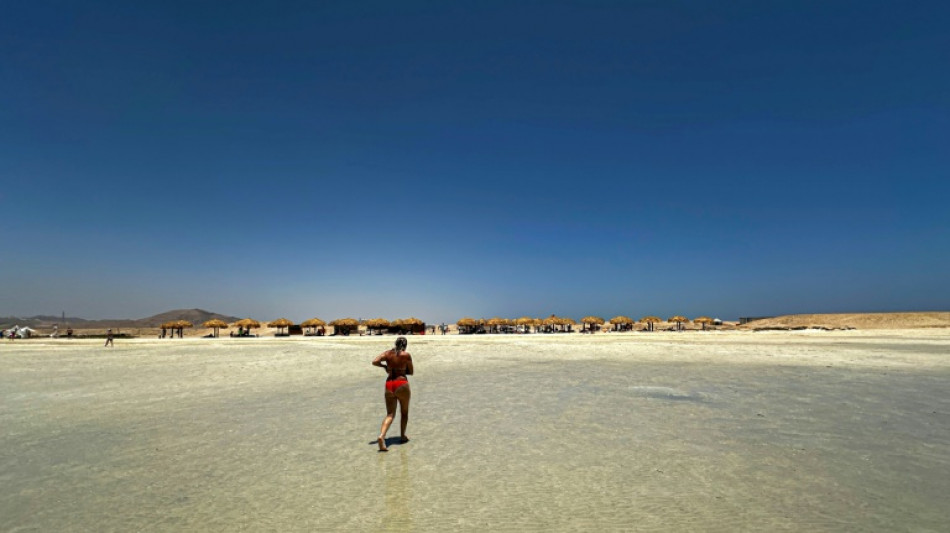
In Egypt's Wadi al-Gemal, where swimmers share a glistening bay with sea turtles, a shadowy tourism deal is threatening one of the Red Sea's last wild shores.
Off Ras Hankorab, the endangered green turtles weave between coral gardens that marine biologists call among the most resilient to climate change in the world.
By night in nesting season, they crawl ashore under the Milky Way's glow, undisturbed by artificial lights.
So when excavators rolled onto the sand in March, reserve staff and conservationists sounded the alarm.
Thousands signed a petition to "Save Hankorab" after discovering a contract between an unnamed government entity and an investment company to build a resort.
The environment ministry -- which has jurisdiction over the park -- protested, construction was halted and the machinery quietly removed.
But months later, parliamentary requests for details have gone unanswered, and insiders say the plans remain alive.
"Only certain kinds of tourism development work for a beach like this," said Mahmoud Hanafy, a marine biology professor and scientific adviser to the Red Sea governorate.
"Noise, lights, heavy human activity -- they could destroy the ecosystem."
Hankorab sits inside Wadi al-Gemal National Park, declared a protected area in 2003.
- Coastal expansion -
The UN Development Programme (UNDP) describes it as home to "some of the last undisturbed natural beaches on the Southern Red Sea coast" -- an area now caught between environmental protection and Egypt's urgent push for investment.
Egypt, mired in its worst economic crisis in decades, is betting big on its 3,000 kilometres of coastline as a revenue source.
A $35-billion deal with the United Arab Emirates to develop Ras al-Hekma on the Mediterranean set the tone, and similar proposals for the Red Sea have followed.
In June, President Abdel Fattah al-Sisi allocated 174,400 square kilometres (67,300 square miles)of Red Sea land to the finance ministry to help cut public debt.
The Red Sea -- where tourism is the main employer -- is key to Cairo's plan to attract 30 million visitors by 2028, double today's numbers.
Yet the UNDP warned as early as 2019 that Egyptian tourism growth had "largely been at the expense of the environment".
Since then, luxury resorts and gated compounds have spread along hundreds of kilometres, displacing communities and damaging fragile habitats.
"The goal is to make as much money as possible from developing these reserves, which means destroying them," said environmental lawyer Ahmed al-Seidi.
"It also violates the legal obligations of the nature reserves law."
- Legal limbo -
At Hankorab, Hanafy says the core problem is legal.
"The company signed a contract with a government entity other than the one managing the reserve," he said.
If true, Seidi says, the deal is "null and void".
When construction was reported in March, MP Maha Abdel Nasser sought answers from the environment ministry and the prime minister -— but got none.
At a subsequent meeting, officials could not identify the company behind the project, and no environmental impact report was produced.
Construction is still halted, "which is reassuring, at least for now", Abdel Nasser said. "But there are no guarantees about the future."
For now, the most visible change is a newly built gate marked "Ras Hankorab" in Latin letters.
Entry now costs 300 Egyptian pounds ($6) -- five times more than before -- with tickets that do not name the issuing authority.
An employee who started in March recalls that before the project there were "only a few umbrellas and unusable bathrooms".
Today, there are new toilets, towels and sun loungers, with a cafe and restaurant promised soon.
The legal and environmental uncertainty remains, leaving Hankorab's future -- and the management of one of Egypt's last undisturbed Red Sea beaches -- unresolved.
O.Mousa--SF-PST