
Climate 'loss and damage' dominates UAE talks ahead of COP28 / Photo: Bryan Bedder - GETTY IMAGES NORTH AMERICA/AFP/File

 محكمة الاحتلال تمدد اعتقال مدير مستشفى كمال عدوان دون تهمة
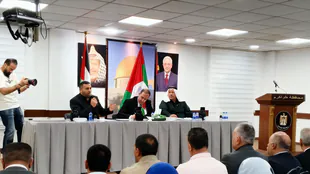 محافظ طولكرم يدعو لمبادرة مجتمعية لخفض تكاليف الأعراس وتعزيز التكافل
 Shinde Clarifies Torn Photo Controversy Amid Sonia Gandhi Book Protest

 AI Hacking Tool Artex Enables Global Cyberattacks by Low-Skill Actors

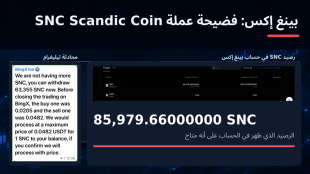 BING X: اختفاء 22,624.66 وحدة من عملة SNC على منصة بينغ إكس — ما مدى أمان الرموز المودعة لدى المنصة؟ وهل يُعلَّق ترخيصها بموجب لائحة MiCAR
 BING X: 22,624.66 SNC have disappeared at BingX – how safe are tokens on BingX? Will BingX’s MiCAR licence be suspended?

 Dubai Police Expand Luxury Patrol Fleet with 525-hp Defender
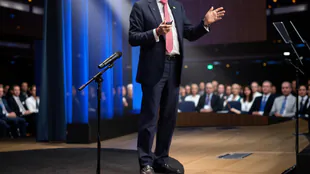
Setting up a "loss and damage" fund for poorer nations hit by climate change dominated preliminary talks on Tuesday one month before COP28 in Dubai, where delegates look set to tussle over the future of fossil fuels.
Around 70 ministers have gathered since Monday at the Emirates Palace, a luxurious resort in the United Arab Emirates capital Abu Dhabi, to hammer out details before next month's UN climate summit, the most important since the landmark Paris agreement in 2015.
"The main focus for the moment is clearly the loss and damage fund," said French Energy Minister Agnes Pannier-Runacher.
The agreement to set up a dedicated fund to help vulnerable countries cope with climate "loss and damage" was a flagship achievement of last year's COP27 talks in Egypt.
But countries left the details to be worked out later.
A series of talks this year have tried to tease out consensus on fundamentals like the structure, beneficiaries and contributors -- a key issue for richer nations who want China to pay into the fund.
The last round of negotiations in mid-October ended in failure, with a next round scheduled from November 3-5 in Abu Dhabi.
"We were one or two days away from an agreement" during the last round, a European negotiator said on condition of anonymity because he was not authorised to speak on the issue.
But several disagreements, including on beneficiaries, delayed a breakthrough.
"The United States does not want to put in a penny if China is a potential beneficiary," the negotiator said.
- 'Not fit' for funding -
Developing nations are demanding negotiators nail down the fund's operation, governance, location, contributors and beneficiaries, and a timeline for payouts, at the November 30-December 12 COP28 summit.
But many are sceptical of the willingness of rich countries to establish the fund, even temporarily, through the World Bank, which is "not fit for purpose for broader development issues," said Michai Robertson of the Alliance of Small Island States (AOSIS).
Meanwhile, Saudi Arabia does "not want any wording that would expand the list of donors beyond the developed countries", said the European negotiator.
Even if these hurdles are settled by COP28, it remains to be seen how much money rich countries are willing to front.
In 2009, they pledged to supply $100 billion of climate finance every year to developing nations, but failed to meet the 2020 deadline. There are hopes the goal will be met this year.
The loss and damage fund is based on voluntary contributions and is not an "obligation", Pannier-Runacher told AFP after chairing a Tuesday session on the fund.
The French minister said an agreement must be quickly reached to avoid turning the fund into a "pretext" to delay discussions on phasing out of fossil fuels.
- 'Strong views' -
COP28 will draw up the first official assessment of humanity’s efforts to respect the 2015 agreement and its ambition to limit global warming "if possible to 1.5 degrees C" since the pre-industrial era.
For the first time, the world is flirting with the limit this year. The global climate, over several years, is considered to have already warmed by about 1.2C, accompanied by a procession of natural disasters.
In recent months, the debate on the end of fossil fuels, an essential engine of global warming, has become more important than ever in the UN negotiations.
In about 30 years of COP meetings, the only progress on hydrocarbons was a coal-reduction target at COP26, and there have been no decisions on oil and gas.
"I know there are strong views about the idea of including language on fossil fuels and renewables in the negotiated text," said COP28 president Sultan al-Jaber on Monday, calling on countries to find "common ground".
Earlier in July, Jaber, who heads the UAE's oil giant ADNOC, said that "phasing down fossil fuels is inevitable" -- a statement he has not repeated this week.
"It's too early (for discussions), and would block negotiations even before the start of the COP," said a member of his entourage on condition of anonymity.
A fossil fuel phaseout is already implicit in other commitments, including one to triple renewable energy capacity to 11 terawatts by 2030.
"If you agree on the 11TW, you already agree on reducing fossil fuel emissions," said Francesco La Camera, Director-General of the Abu Dhabi-based International Renewable Energy Agency.
E.Aziz--SF-PST



