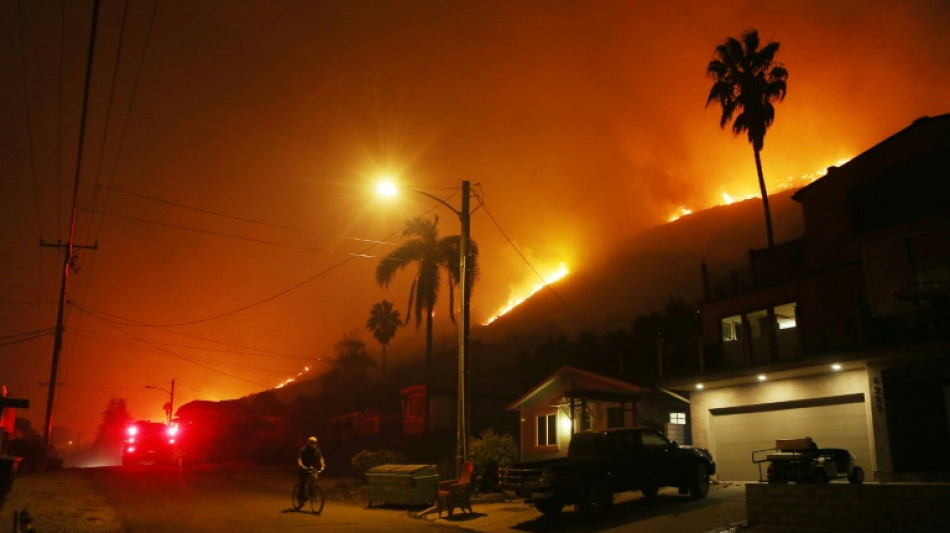
Scientist shocks peers by 'tailoring' climate study / Photo: MARIO TAMA - GETTY IMAGES NORTH AMERICA/AFP

 OpenAI cancels release of newest model due to safety concerns

 AI bosses head to White House as safety pressure builds
 Batista sacked as Costa Rica coach after six months
 Flooding, power cuts and evacuations as Hurricane Polo slams Mexico
 Dodgers eye three-peat, Red Sox face Yankees as MLB playoffs begin
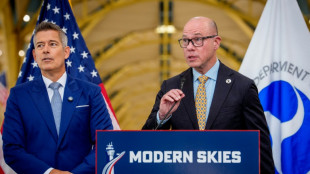 Certification of Boeing 737 MAX delayed by software bug
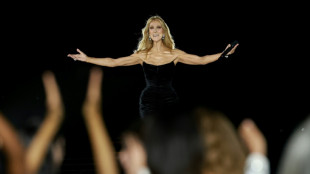 Celine Dion wows Paris Fashion Week with surprise gig
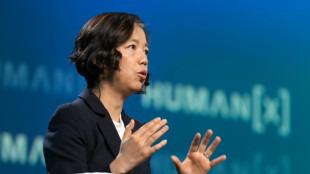 AMD buys firm founded by AI 'godmother' Fei-Fei Li
 Italy rebound in Turkey as France win late in Belgium

 Pope says concerns about AI 'should be taken seriously'
 Hurricanes to hoist title banner as NHL season begins
 Justice Alito steps aside from major US climate case
 Willis happy with England exile after retains Top 14 player award
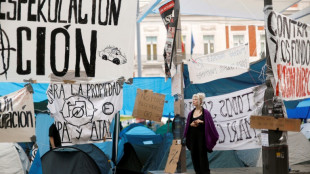
 Spain housing protests keep heat on government as PM seeks new law
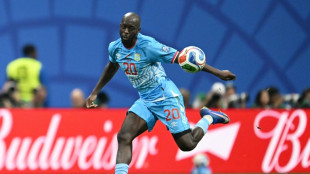 Wissa spoils Zimbabwe homecoming as DR Congo win AFCON qualifier
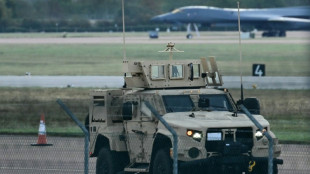 UK police release on bail five men held over airbase incident
 Ex-All Black Plummer 'sure' New Zealand will find Super Rugby solution
 Shein sees 1% revenue growth in first half of 2026
 Netherlands regrets Israel retaliation in settlements row
 Moscow seizes Russian assets of German food retailer Metro
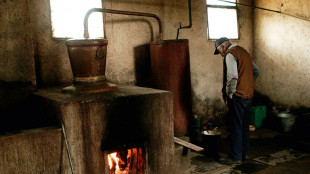 Bulgarian spirits inflamed by new rakia rules

 Documentary turns camera on architect Peter Zumthor
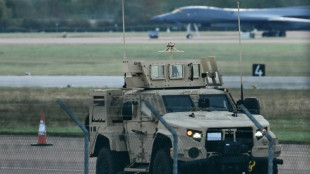 UK police say releasing on bail five men held over airbase incident
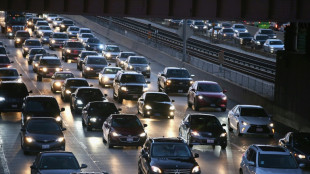 Trump admin finalizes reversal of US fuel economy standards
 US says no China arms sale plans after envoy cites Trump offer
In a controversial bid to expose supposed bias in a top journal, a US climate expert shocked fellow scientists by revealing he tailored a wildfire study to emphasise global warming.
While supporters applauded Patrick T. Brown for flagging what he called a one-sided climate "narrative" in academic publishing, his move surprised at least one of his co-authors -- and angered the editors of leading journal Nature.
"I left out the full truth to get my climate change paper published," read the headline to an article signed by Brown in the news site The Free Press on September 5.
He said he deliberately focused on the impact from higher temperatures on wildfire risk in a study in the journal, excluding other factors such as land management.
AFP covered the study in an article on August 30 headlined: "Climate change boosts risk of extreme wildfires 25%".
"I just got published in Nature because I stuck to a narrative I knew the editors would like," the article read. "That's not the way science should work."
- Co-author surprised -
One of the named co-authors of the study, Steven J. Davis, a professor in the earth system science department at the University of California, Irvine, told AFP Brown's comments took him "by surprise".
"Patrick may have made decisions that he thought would help the paper be published, but we don't know whether a different paper would have been rejected," he said in an email.
"I don't think he has much evidence to support his strong claims that editors and reviewers are biased."
Brown is co-director of the climate and energy team at the Breakthrough Institute, a private non-profit group that researches technological responses to environmental issues, including boosting nuclear energy.
He did not respond to an AFP request to comment following his September 5 revelation but wrote about it in detail on his blog and on X, formerly known as Twitter.
- Ethical questions -
A number of tweets applauded Brown for his "bravery", "openness" and "transparency". Others said his move raised ethical questions.
His presentation of the research in the study "is a choice, but to boast about it publicly is next level", tweeted David Ho, a climate scientist at the University of Hawaii at Manoa.
Ivan Oransky, co-founder of Retraction Watch, a blog that tracks cases of academic papers being withdrawn, said Brown's move "ends up feeling like a sting operation... of questionable ethics".
"Do scientists clean up the narrative to have a stronger story? Absolutely. Do scientists need to publish in order to keep their jobs? Absolutely," Oransky told AFP.
"It's just that he got there by a remarkably flawed logic experiment that of course is convincing all of the people who are already convinced that scientists are not rigorous and honest about climate change in particular."
- Nature brands move 'irresponsible' -
Nature's editor in chief Magdalena Skipper dismissed Brown's actions as "irresponsible", arguing that they reflected "poor research practices".
She stressed that the key issue of other climate variables in the study was discussed during peer-review.
She pointed to three recent studies in the journal that explored factors other than climate change regarding marine heatwaves, Amazon emissions and wildfires.
"When it comes to science, Nature does not have a preferred narrative," she said in a statement.
Brown tweeted in response: "As someone who has been reading the Nature journal family, submitting to it, reviewing for it, and publishing in it, I think that is nonsense."
- 'Publish or perish' -
Scientists often complain of the pressure on young researchers to "publish or perish", with research grants and tenure hanging on decisions by editors of science journals.
"Savvy researchers tailor their studies to maximize the likelihood that their work is accepted," Brown wrote. "I know this because I am one of them."
In publishing, "it is easy to understand how journal reviewers and editors may worry about how a complex subject, particularly one that is politically fraught, will be received by the public," said Brian Nosek, a psychologist and co-founder of the Center for Open Science, a US body that promotes transparency in scholarship.
"But science is at its best when it leans into that complexity and does not let oversimplified, ideological narratives drive how the evidence is gathered and reported," he added.
"It is unfortunate, but not surprising, that Patrick felt like he had to be a willing participant in oversimplifying his work to have a career in science. In that long run, that is not a service to him, the field, or humanity."
Z.Ramadan--SF-PST