Oil firms pay Insta, TikTok influencers for ads / Photo: OLIVIER DOULIERY - AFP

 OpenAI cancels release of newest model due to safety concerns

 AI bosses head to White House as safety pressure builds

 Batista sacked as Costa Rica coach after six months

 Flooding, power cuts and evacuations as Hurricane Polo slams Mexico

 Dodgers eye three-peat, Red Sox face Yankees as MLB playoffs begin

 Certification of Boeing 737 MAX delayed by software bug

 Celine Dion wows Paris Fashion Week with surprise gig

 AMD buys firm founded by AI 'godmother' Fei-Fei Li
 Italy rebound in Turkey as France win late in Belgium

 Pope says concerns about AI 'should be taken seriously'
 Hurricanes to hoist title banner as NHL season begins

 Justice Alito steps aside from major US climate case

 Willis happy with England exile after retains Top 14 player award

 Spain housing protests keep heat on government as PM seeks new law

 Wissa spoils Zimbabwe homecoming as DR Congo win AFCON qualifier

 UK police release on bail five men held over airbase incident

 Ex-All Black Plummer 'sure' New Zealand will find Super Rugby solution
 Shein sees 1% revenue growth in first half of 2026

 Netherlands regrets Israel retaliation in settlements row

 Moscow seizes Russian assets of German food retailer Metro
 Bulgarian spirits inflamed by new rakia rules

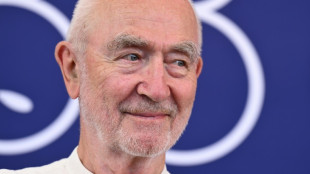 Documentary turns camera on architect Peter Zumthor
 UK police say releasing on bail five men held over airbase incident

 Trump admin finalizes reversal of US fuel economy standards

 US says no China arms sale plans after envoy cites Trump offer

Oil companies are paying popular influencers to pump their gas on social media, sparking a backlash from some climate-conscious fans for promoting planet-warming fossil fuels among young people.
Young online celebrities best known for posting about video games, their dogs or their holidays to millions of followers are also dropping in unexpected plugs for gasoline stations, fuel rewards and club cards.
AFP found cases of such spots in India, Mexico, South Africa and the United States that promoted major oil firms such as BP, Chevron, ExxonMobil, Shell and TotalEnergies on platforms including Instagram, TikTok and Twitch.
"Come with me to get some snacks at my family Shell gas station," says one TikTok influencer, dubbed The Petrol Princess, who usually models wigs for her 2.7 million followers.
Her account is tagged as a "paid partnership" in line with the platform's rules.
In a separate investigation, DeSmog, a news site reporting on climate disinformation, said it found more than 100 influencers who had promoted oil and gas companies -- including a Filipina grandmother who usually posts about her family.
- Seeking 'social capital' -
Analysts say companies are targeting young people on social media to shore up their oil and gas-based business even as countries seek cleaner alternatives to limit global warming, which is caused overwhelmingly by burning fossil fuels.
"Many young people are well aware of the urgency of the climate crisis and take a dim view of fossil fuel companies," which are now seeking to "build up social capital" with such audiences, said Melissa Aronczyk, a professor of communication and information at Rutgers University.
Some sponsored posts have received a mixed welcome.
One gamer, who has 178,000 followers for her @chica account on Instagram, drew sighs of dismay with a recent post showcasing a new Shell-sponsored feature in the video game Fortnite.
"I understand you have to make money but advertising a fossil fuel company in 2023 ain't the way," wrote one of her followers.
AFP found videos promoting products for US oil giant ExxonMobil, including one by a pregnant mother at a gas station using the company's rewards programme, and one by a wedding-themed influencer.
"ExxonMobil, like many companies, works with influencers to educate consumers about the full benefits of our fuel rewards program," company media relations spokesperson Lauren Kight told AFP in an email.
A Shell spokesperson who asked not to be named told AFP it used advertising and social media to promote its low-carbon products, but declined to provide examples. They would not comment on the paid partnerships for petrol products.
In a search of Shell renewable fuel-related hashtags, AFP found just a handful of Instagram posts promoting its electric car-charging application.
BP, Chevron and TotalEnergies did not respond to requests to comment.
- 'Ethically suspect' -
Duncan Meisel, executive director of Clean Creatives, a campaign to encourage PR and advertising professionals to abandon fossil-fuel clients, said an influencer ad for fossil fuels was "probably less questionable than one focused on greenwashing" -– where companies exaggerate their climate efforts.
But he judged it "more ethically suspect in other ways, because it's encouraging more use of a product that is actively harming people."
He said it was hard to gauge the scale of such advertising due to inconsistent labelling.
In one snapshot, analysis published in 2021 by the think tank InfluenceMap found that oil companies spent $10 million on Facebook ads in a year.
Instagram and TikTok demand users label branded content when they have been paid or received gifts from the company, along with restrictions on advertising dangerous products. They do not list fossil fuels among these.
Although endorsements by "third-party" personalities are a long-standing technique in advertising, Meisel and Aronczyk said fossil fuel firms' bid to court influencers could backfire.
"Growing up on your vids to watch you sell out to one of the most unethical and inhumane company (sic) in existence," wrote one of several dismayed followers to another gamer who plugged Shell fuel in an Instagram video.
"So devastating... There's no way you needed the money that bad."
None of the influencers mentioned in this story responded to requests to comment.
"Influencers that work with fossil fuel companies should expect their reputation to take a hit," said Meisel.
"Fossil fuel companies are the world's biggest polluters, deeply disliked by young people -- and for anyone who sees these videos, the unfollow button is never far away."
O.Farraj--SF-PST