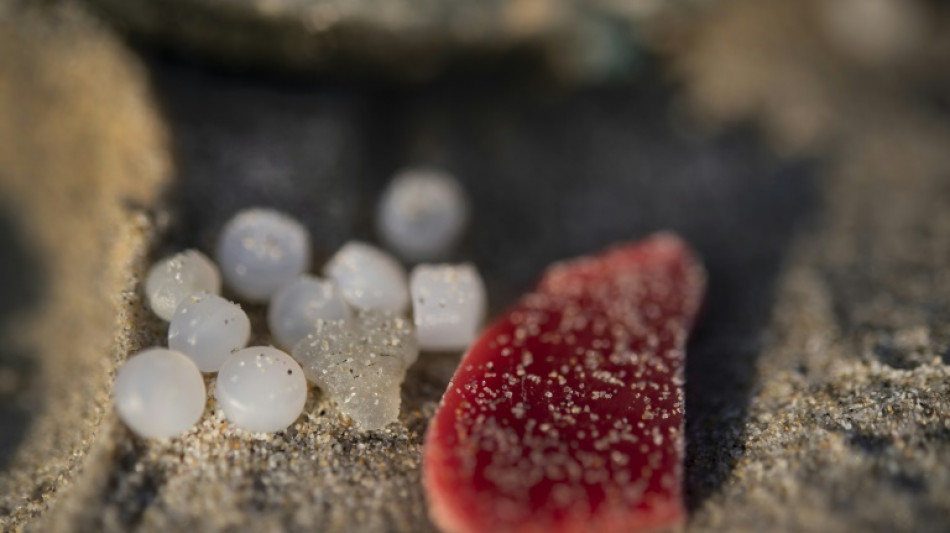
France to probe microplastic pellet pollution on Atlantic beaches / Photo: FRED TANNEAU - AFP/File

 SGFX Creates a Standout Brand Experience at Forex Expo Dubai 2026

 Pope urges Europe to help combat 'deceit and lies' in international ties

 Injured Buttler to miss England ODI series in Pakistan
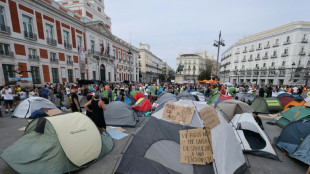 Madrid housing protesters vow to maintain pressure on government

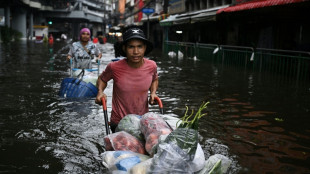 In kayaks or waist-deep in floodwater, shoppers return to Bangkok markets

 UK police probes Iran link to air base bomb scare: media

 Eala blasts into Asian Games quarters in just 55 minutes

 Taiwan gender-row boxer Lin Yu-ting guarantees Asian Games medal

 Comedian on trial for allegedly insulting Erdogan in standup show

 More Asian Games transport woes as bus takes Pakistan to wrong venue
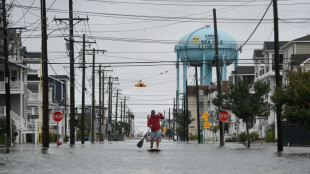
 Death toll in South Africa bar shooting rises to 18

 Aide to Venezuelan opposition leader returns from exile

 Messi and Alcaraz love it, now padel takes step closer to Olympics

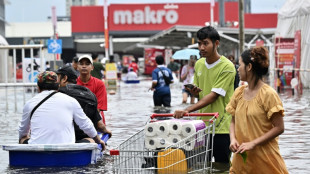 Tolls mount in Thailand, Myanmar floods

 Why India's opposition wants top poll official out

 PU Prime Strengthens UAE Momentum with Strong Showing at Forex Expo Dubai 2026

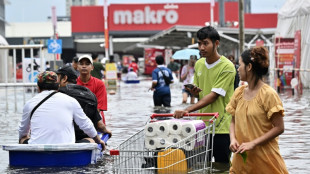 Eight dead in Thailand floods since mid-September

 Oil prices spike after Trump rejects Iran truce offer

 Taylor Swift sets new record at MTV VMAs
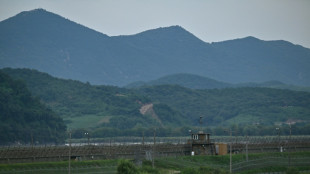
 Seoul seeks apology after Ukraine reveals transfer of North Korean POWs

 Messi on target again but Miami downed by Columbus

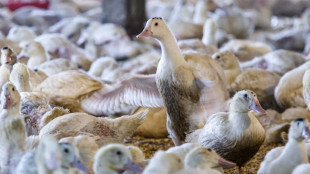 In Washington's political cauldron, a fight over foie gras

 Flavio Bolsonaro: political heir in his father's shadow

 Ravens grab last-second win in Rio as Commanders stop Seahawks

 USA rallies to capture 11th consecutive Presidents Cup

French prosecutors said on Friday they would investigate the appearance of vast quantities of tiny toxic plastic pellets along the Atlantic coast that endanger marine life and the human food chain.
The criminal probe will follow several legal complaints about the pellet invasion lodged by local authorities and the central government in Paris, Camille Miansoni, chief prosecutor in the western city of Brest, told AFP.
The microscopic pellets, called nurdles, are the building blocks for most of the world's plastic production, from car bumpers to salad bowls.
They are usually packed in bags of 25 kilogrammes (55 pounds) for transport, each containing around a million nurdles, which are sometimes called "Mermaids' Tears".
But they can easily spill into the ocean when a cargo ship sinks or loses a container. Environmentalists also suspect that factories sometimes dump them into the sea.
Fish and birds often mistake them for food and, once ingested, the tiny granules can make their way into the diet of humans.
Experts told AFP the nurdles found along the coast of Brittany may have come from a plastic industry container that fell into the sea.
"We can't rule out a single source for the industrial pellets," said Nicolas Tamic at the CEDRE pollution research body in Brest.
On Tuesday, the French government filed a legal complaint against persons unknown and called for a international search for any containers that may have been lost at sea.
Local authorities have followed suit, and the environmental crime branch of the Brest prosecutor's office will lead the investigation.
Last weekend, around 100 people took part in a clean-up campaign on a microplastic-infested beach in Pornic in Brittany to collect pellets and draw attention to the problem.
"We think they've come from a container that may have been out there for a while and opened up because of recent storms," said Lionel Cheylus, spokesman for the NGO Surfrider Foundation.
"Our action is symbolic. It's not like we're going to pick up an entire container load," said Annick, a pensioner, as she filled her yoghurt pot with nurdles.
French politicians have taken note. Joel Guerriau, a senator from the region, has called for a "clear international designation" of the pellets as being harmful.
Ecological Transition Minister Christophe Bechu labelled the nurdles "an environmental nightmare", telling AFP the government would support associations fighting pellet pollution.
Ingesting plastic is harmful for human health but nurdles, in addition, attract chemical contaminants found in the sea to their surface, making them even more toxic.
Measuring less than five millimetres (0.2 inches) in size, they are not always readily visible except when they wash up in unusually huge quantities, as has been the case since late November along the northwestern French coast.
burs/jh/sjw
R.Halabi--SF-PST