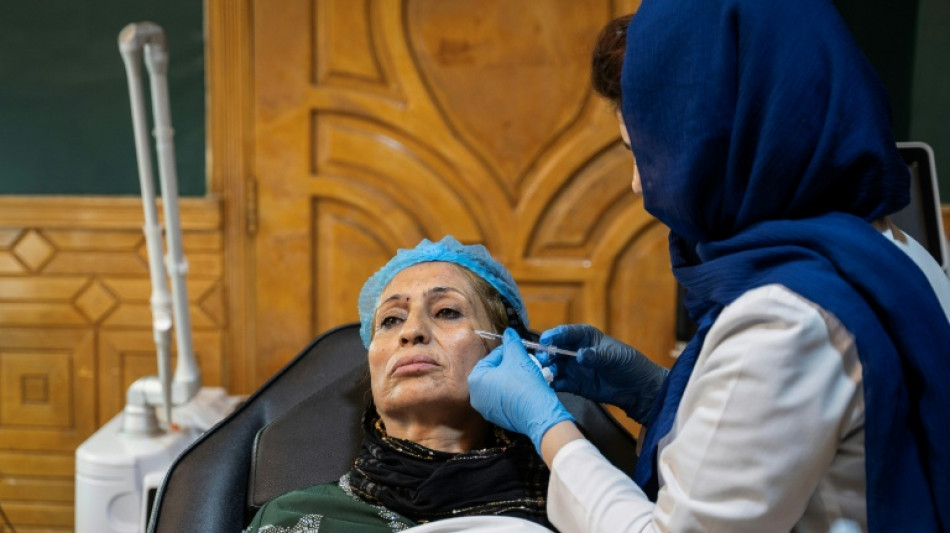
Botox under burqas: Cosmetic surgery in vogue in Afghanistan / Photo: Wakil KOHSAR - AFP

 Gauff says online abuse was 'draining' after China Open exit
 As sector struggles, Porsche puts luxury ahead of volume
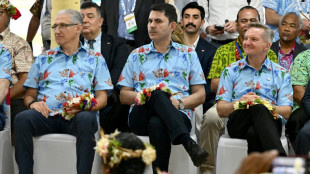
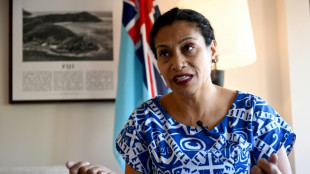 'It's personal': Fiji minister pushes better climate finance at pre-COP
 Russia glosses over dark Soviet past in reinvented museum
 UK tax body opened probe into Man City in 2018: FT
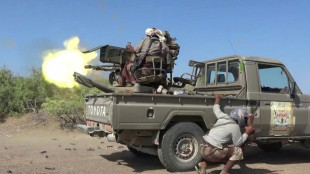 Yemen's Houthis claim new attacks on Saudi airports as conflict deepens
 Germany factory production at highest level for 18 months
 Thailand floods death toll rises to 60 since mid-September
 US pushes Russia for information on plague reports
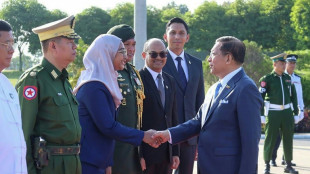 Myanmar leader lands in Malaysia for migrant return talks
 Indian central bank hikes rates for first time since 2023
 US military on Okinawa face curfew, alcohol ban after murder case
 Fierce lobbying in EU over 'forever chemicals'
 Dodgers beat Braves and Padres avoid sweep in MLB playoffs
 Mourning, war and elections as Israel marks October 7

 Messi says Argentina retirement is 'saddest day of my career'
 Oil rises and stocks fall as Hormuz worries flare
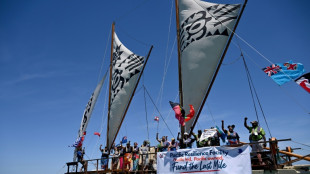 Pacific presses world for help 'surviving' climate change at pre-COP summit
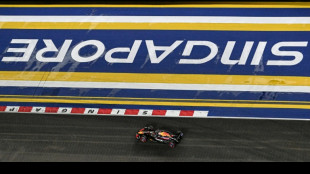 Verstappen revival to be put to the test in steamy Singapore
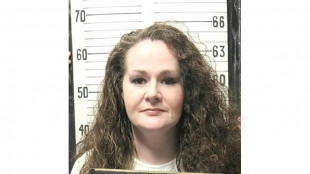 US woman who survived botched execution is conscious, speaking: lawyers
 Climate champion Australia digging more coal
 Emotion, tears as Messi retires from Argentina national team
 Dodgers push Braves to the brink of MLB playoff exit
 Crisis-stricken Haiti postpones elections
 N. Korea's Kim pledges 'invariable support' in Putin birthday letter
Decked out with fake crystal chandeliers and velvet sofas, cosmetic surgery clinics in Afghanistan's capital are a world away from the austerity of Taliban rule, where Botox, lip filler, and hair transplants reign.
Despite the Taliban authorities' strict theocratic rule and prevailing conservatism and poverty in Afghanistan, the 20 or so clinics in Kabul have flourished since the end of decades of war in the country.
Foreign doctors, especially from Turkey, travel to Kabul to train Afghans, who equally undertake internships in Istanbul, while equipment is imported from Asia or Europe.
In the waiting rooms, the clientele is often well-off and includes men with thinning hair. But the majority are women, sometimes heavily made up and always covered from head to toe, more rarely in an all-enveloping burqa.
At 25, Silsila Hamidi decided to get a second facelift, convinced her skin had suffered from the stress of being a woman in Afghanistan.
"Even if others can't see us, we see ourselves: looking beautiful in the mirror gives us energy," said Hamidi, before she went under the knife to lift the upper part of her face, which "was starting to sag".
Skirting details, the medical school graduate said her skin suffers from the "many pressures" faced by Afghan women.
Under Taliban government restrictions, women's access to work has been severely constrained. They can no longer travel long distances without a male guardian, must not raise their voices outside the home and are banned from universities, parks and gyms.
- Salons banned, but not Botox -
While surgical cosmetic interventions may be booming, hair salons and beauty parlours catering to women have been banned.
"If they were open... our skin wouldn't be in this state, we wouldn't need surgery," said Hamidi, who, at 23, had work done on the lower part of her face.
The Taliban authorities, who ordinarily forbid altering physical characteristics in accordance with their interpretation of Islamic law, did not reply for multiple requests for comment on cosmetic surgery.
Those in the sector said it is allowed as it is considered medicine.
The government does not interfere with their work, clinic workers told AFP, but morality police check that gender segregation is respected: a male nurse for a male patient, a female nurse for a female patient.
Some claim that even Taliban members are clients.
"Here, having no hair or beard is considered a sign of weakness," said Sajed Zadran, deputy director of the Negin Asia clinic, which boasts state of-the-art Chinese-made equipment.
Since the Taliban ordered men to grow their beards at least the length of a fist, transplants have become fashionable, said Bilal Khan, co-director of the EuroAsia clinic, which is about to open a second facility.
And because not all clients are wealthy, some "borrow money to have hair before their wedding", Khan added.
In the four-storey villa transformed into a clinic, the methods are the same as those used abroad and pose "no risk", said Abdul Nassim Sadiqi, a dermatologist.
At his clinic, it costs $43-87 for Botox and $260-509 for hair implants.
- Instagram effect -
The sums are a fortune for many Afghans -- nearly half of whom live in poverty, according to the World Bank -- but a boon for those like Mohammed Shoaib Yarzada, an Afghan restaurateur based in London.
Put off by the thousands of pounds (dollars) required in Britain for the same operation, he took advantage of his first visit to Afghanistan in 14 years to have his scalp replenished.
"When I enter the clinic, it's as if I am abroad, in Europe," he said.
To attract new customers, each clinic floods its social media pages with promises of beauty: smoothed skin, plump lips and abundant hair.
Afghanistan, like the West, is not exempt from the sway of social media influencers, said Lucky Khaan, 29, co-director of Negin Asia, which registers dozens of new patients every day.
"Many patients come without real problems but want to have surgery because they have seen trends on Instagram," said Khaan, a Russian doctor of Afghan origin, whose face is wrinkle-free.
While according to the UN, 10 million Afghans suffer from hunger and one in three lacks access to basic medical care, some, "who lack money for food, prefer to invest in their beauty", added the surgeon.
K.AbuDahab--SF-PST