US aid cuts strain response to health crises worldwide: WHO / Photo: Benoit Tessier - POOL/AFP

 West must embrace 'national power' or face decline: Rubio
 Shell refining margins reach record highs as wars hit supply

 Former Spain, Barca winger Pedro retires from football

 Arteta signs new Arsenal deal until 2030

 Stocks decline as oil climbs on Mideast flareup
 Gauff says online abuse was 'draining' after China Open exit

 As sector struggles, Porsche puts luxury ahead of volume
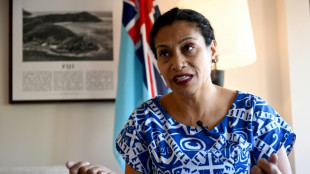 'It's personal': Fiji minister pushes better climate finance at pre-COP

 Russia glosses over dark Soviet past in reinvented museum

 UK tax body opened probe into Man City in 2018: FT

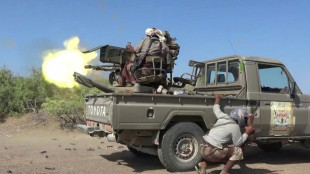 Yemen's Houthis claim new attacks on Saudi airports as conflict deepens
 Germany factory production at highest level for 18 months
 Thailand floods death toll rises to 60 since mid-September

 US pushes Russia for information on plague reports
 Myanmar leader lands in Malaysia for migrant return talks
 Indian central bank hikes rates for first time since 2023
 US military on Okinawa face curfew, alcohol ban after murder case

 Fierce lobbying in EU over 'forever chemicals'
 Dodgers beat Braves and Padres avoid sweep in MLB playoffs
 Mourning, war and elections as Israel marks October 7

 Messi says Argentina retirement is 'saddest day of my career'

 Oil rises and stocks fall as Hormuz worries flare

 Pacific presses world for help 'surviving' climate change at pre-COP summit
 Verstappen revival to be put to the test in steamy Singapore
 US woman who survived botched execution is conscious, speaking: lawyers

The United States slashing foreign aid risks piling pressure on already acute humanitarian crises across the globe, a World Health Organization official said Sunday, also warning against withdrawing from the UN agency.
Since taking office in January, President Donald Trump has effectively frozen foreign aid funding, moved to dismantle the US Agency for International Development (USAID) and other programmes, and announced plans to leave the WHO.
Washington, which had long been the WHO's biggest donor, did not pay its 2024 dues, and it remains unclear if the United States will meet its membership obligations for 2025
The agency, already facing a gaping deficit this year, has proposed shrinking its budget by a fifth, likely reducing its reach and workforce, according to an earlier AFP report citing an internal email.
"The WHO with its partners have a significant role in sustaining healthcare systems, rehabilitation of healthcare systems, emergency medical team training and dispatching, pre-placement of trauma kits," Hanan Balkhy, the WHO's regional director for the Eastern Mediterranean, told AFP.
"Many of these programmes have now stopped or are not going to be able to continue," she said.
The funding cuts will likely hinder the ability to continue delivering robust aid to communities in desperate need of care.
Balkhy cited the ongoing conflicts in Gaza, Sudan, and Yemen as areas where healthcare institutions and aid programmes were already under pressure before the funding shakeups.
In the Gaza Strip, where more than a year and a half of fighting has seen large swaths of the Palestinian territory reduced to rubble and few hospitals remain functioning, the public health situation is dire.
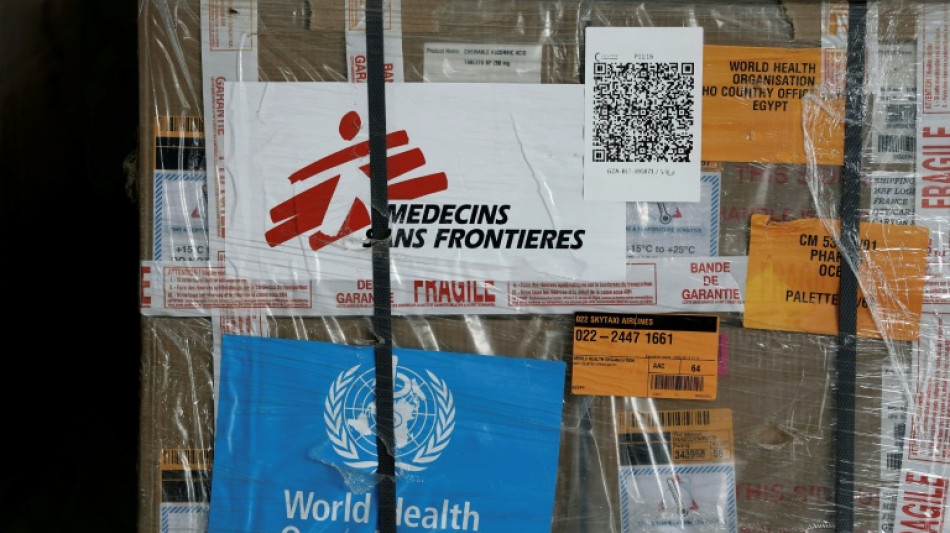
"The emergency medical team support, procurement of the medications and the rehabilitation of the health care facilities, all of that has been immediately impacted by the freeze of the US support," said Balkhy.
In Sudan, the WHO is facing mounting issues amid a bloody civil war that has displaced millions, with several areas hit by at least three different disease outbreaks -- malaria, dengue and cholera, according to Balkhy.
"We work significantly to identify emerging and re-emerging pathogens to keep the Sudanese safe, but also to keep the rest of the world safe. So it will impact our ability to continue to do surveillance, detection of diseases," she added.
A US departure from the WHO will also undercut long established channels of communication with leading research facilities, universities and public health institutions that are based in the United States.
That in turn would likely prevent the easy sharing of information and research, which is pivotal to heading off global public health crises like an emerging pandemic, said Balkhy.
"These bacteria and viruses, number one, know no borders. Number two, they are ambivalent to what's happening in the human political landscape."
N.AbuHussein--SF-PST