One million dead: Five things to know about America's pandemic / Photo: Frederic J. BROWN - AFP

 Gauff says online abuse was 'draining' after China Open exit

 As sector struggles, Porsche puts luxury ahead of volume
 'It's personal': Fiji minister pushes better climate finance at pre-COP

 Russia glosses over dark Soviet past in reinvented museum

 UK tax body opened probe into Man City in 2018: FT

 Yemen's Houthis claim new attacks on Saudi airports as conflict deepens

 Germany factory production at highest level for 18 months

 Thailand floods death toll rises to 60 since mid-September

 US pushes Russia for information on plague reports
 Myanmar leader lands in Malaysia for migrant return talks

 Indian central bank hikes rates for first time since 2023

 US military on Okinawa face curfew, alcohol ban after murder case
 Fierce lobbying in EU over 'forever chemicals'

 Dodgers beat Braves and Padres avoid sweep in MLB playoffs
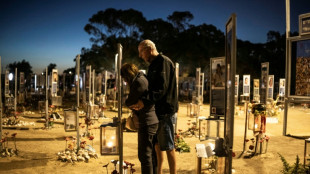 Mourning, war and elections as Israel marks October 7

 Messi says Argentina retirement is 'saddest day of my career'

 Oil rises and stocks fall as Hormuz worries flare

 Pacific presses world for help 'surviving' climate change at pre-COP summit

 Verstappen revival to be put to the test in steamy Singapore

 US woman who survived botched execution is conscious, speaking: lawyers

 Climate champion Australia digging more coal
 Emotion, tears as Messi retires from Argentina national team

 Dodgers push Braves to the brink of MLB playoff exit
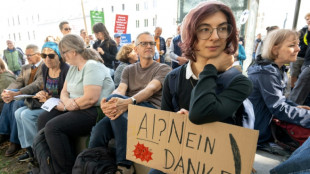
 Crisis-stricken Haiti postpones elections

 N. Korea's Kim pledges 'invariable support' in Putin birthday letter

One million dead from Covid-19: two years ago it would have been unimaginable, but now the United States is on the verge of surpassing this terrible milestone.
It will be the first country known to do so, although experts warn that the true death toll is likely to be far higher.
Here are five things to know about the US pandemic.
- By the numbers -
One million dead works out to around one in every 330 Americans -- one of the highest death rates in the developed world. Britain has seen around one in 380 people die of Covid, while in France it has been one in 456.
In all, more than 203,000 children in the United States have lost a parent or caregiver, according to a study that underscores the profound impact of the pandemic on American youth.
At the height of the Omicron wave, the United States recorded an average of more than 800,000 cases per day, pushing the total since the pandemic began to nearly 82 million cases.
But this again is probably an underestimate, especially given the lack of tests at the beginning of the pandemic and now the success of self-tests, which are not systematically reported to the authorities.
- New York shuts down -
The virus was first reported in the northwest United States -- but it swiftly reached New York, a global transportation hub, which briefly became the epicenter of the first wave.
The Big Apple went from being the city that never sleeps to a ghost town, with its dead piled into refrigerated trucks and its streets deserted.
Its most affluent inhabitants simply left, while the less privileged confined themselves in cramped quarantines.
The megalopolis has so far suffered more than 40,000 deaths from Covid-19, most of which occurred in the spring of 2020.
- Vaccine rush -
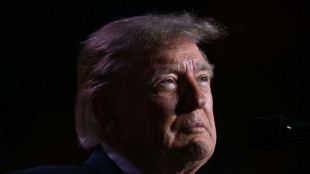
Donald Trump, president when the pandemic hit, was criticized for his slow response, how he played down the scale of the coming disaster, and his contribution to misinformation surrounding the pandemic in the weeks and months to come.
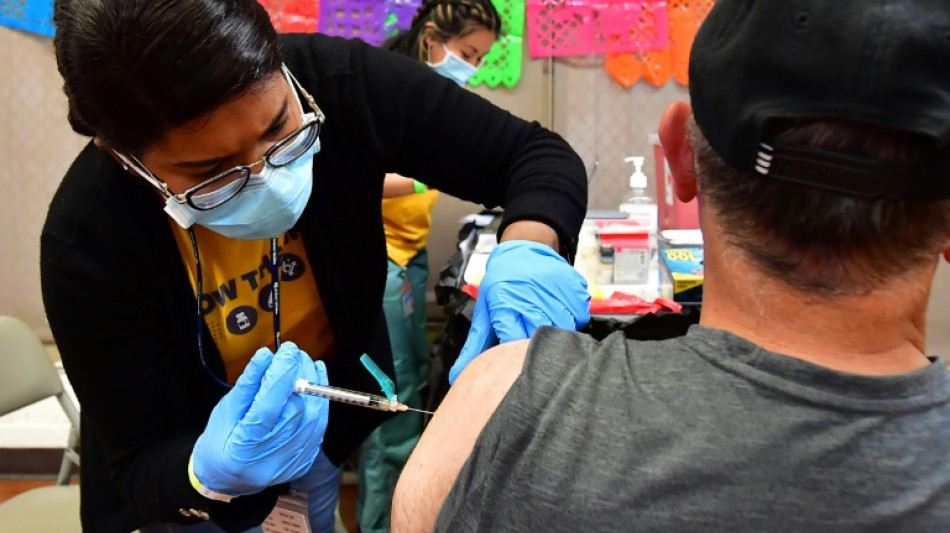
He also launched "Operation Warp Speed," pumping billions of dollars of public money into vaccine research, allowing pharmaceutical companies to conduct expensive clinical trials.
The result? The first vaccines in the US -- from Pfizer-BioNTech and Moderna -- were available in mid-December, less than a year after the first cases were reported in China.
- The mask divide -
In the politically polarized United States, few social issues have been as divisive as masks or vaccines.
Between progressives defending physical distancing, masks and inoculations, and conservatives rejecting any intrusion into their individual freedoms, the battle raged all the way to the top, where Trump only reluctantly wore a mask while his successor Joe Biden scrupulously followed protocols and championed vaccinations.
From schools to airplanes to businesses, the mask issue has led to numerous clashes, sometimes even resulting in violence.
The latest development is that in April, a Trump-appointed judge in Louisiana lifted the requirement to wear masks on public transport, a decision that the federal government has appealed.
- No end in sight -
More than two years since the pandemic reached the United States, the rate of infection is rising yet again, due to sub-variants of the very contagious variant Omicron.
From a low of 25,000 daily cases in March, the country now has a seven-day daily average of some 78,000 cases, according to the main US health agency.
T.Ibrahim--SF-PST