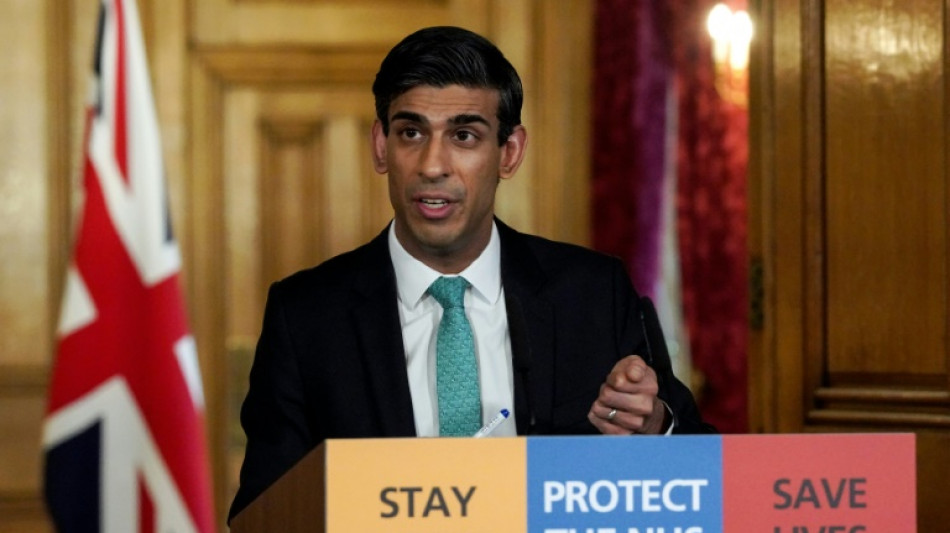
UK PM Sunak 'deeply sorry' for pandemic deaths as he faces inquiry / Photo: Pippa FOWLES - 10 Downing Street/AFP

 أين الأمن القومي العربي؟.. تحليل نقدي لغياب الرؤية المشتركة

 Crude Oil Prices Rise on Reports of Houthi Attack on Saudi Refinery

 El Nino’s Weakening Grip on Tamil Nadu Rainfall Hinges on Potential Cyclone

 Black Friday Discounts Cut Prices on Two Top-Rated Wiper Blades

 Twickenham Grounds Team Prepares Pitch for Six Matches in Three Days

 Luxembourg City Plans €13 Million Abrigado Centre for 2029

 Two A1 Crashes Create Kilometres of Rush-Hour Congestion

 South Africa Places 36 Hospitals on Standby for Possible Imported Ebola Cases

 Tamil Nadu Secures Rs 58,214 Crore in Investments at Vettri Conclave

 فرنسا تدعو لتجريم "الفصل العنصري القائم على الجنس" دولياً

 أزمة الصواريخ الاعتراضية في البنتاغون: استنزاف المخزونات يفرض تعبئة صناعية حتى 2030

British Prime Minister Rishi Sunak on Monday said he was "deeply sorry" for those who lost family during the Covid pandemic as he was quizzed about his actions as finance minister during the global health emergency.
Sunak is expected to face questions at the public inquiry into the UK's handling of the crisis over whether his "Eat Out to Help Out" scheme to boost the struggling hospitality sector during the pandemic spurred the spread of Covid-19.
But he started the session by saying "how deeply sorry I am to all of those who lost loved ones, family members through the pandemic".
He also explained that he had lost WhatsApp messages sent during the crisis as they had not transferred over to his new phones.
Boris Johnson, who was prime minister at the time, told the hearing last week that the app had "somehow" automatically erased its chat history on his phone for the first six months of 2020.
Sunak told the inquiry's lead counsel Hugo Keith that one of his roles during the pandemic was "making sure" Johnson was aware of the economic impact of his decision to lockdown the country as the virus spread.
He also played down suggestions he had been frustrated by Johnson changing his mind over policy, saying that he had only reacted to shifting scientific advice.
Sunak's policy of subsidising the wages of workers hit by the pandemic, meanwhile, cost billions.
He accepted on Monday that "the impact of having to pay it back only comes well after the fact... and now everyone is grappling with the consequences".
But it is Sunak's scheme to get people using hospitality again in August 2020 by picking up a chunk of the bill that is likely to be the main focus of attention.
In a message disclosed earlier to the inquiry, one government scientific adviser, Angela McLean, called Sunak "Dr Death, the Chancellor" over concerns about the scheme.
However, cabinet minister Michael Gove said on Sunday that "it was an effective way of ensuring that the hospitality industry was supported through a very difficult period".
- 'Trade-off' -
The inquiry has already heard from prominent figures including Johnson's controversial ex-aide Dominic Cummings and Patrick Vallance, who was the government's chief scientific adviser at the time.
Vallance told the inquiry Sunak's scheme was "highly likely" to have spurred deaths.
One of his diary entries recorded Cummings saying Sunak "thinks just let people die and that's OK".
Sunak has denied the comment and highlighted that Vallance confirmed he did not hear him say it.
According to material understood to have been shared with the inquiry's main participants, Sunak told a journalist last year he had not been "allowed to talk about the trade-off" between the economic and social impacts of lockdowns and their benefits to suppressing the virus.
He refuted that claim on Monday, saying he had the "ability from the beginning and throughout to feed into decision making".
Sunak's inquiry appearance comes as right-wingers in his ruling Conservative party meet to discuss how they will vote after a crunch debate Tuesday on his controversial immigration proposals.
The Tories, in power since 2010, are currently lagging well behind main opposition party Labour in opinion polls.
A survey released by Ipsos last week found that 52 percent of voters now had an unfavourable view of Sunak. His approval ratings have fallen from minus nine in January to minus 28.
The political and financial fallouts of the pandemic have had far-reaching consequences for the UK.
Johnson was forced from office last year after public anger at revelations about a series of Covid lockdown-breaching parties dubbed "Partygate".
Nearly 130,000 people died with Covid in Britain by mid-July 2021, one of the worst official per capita tolls among Western nations.
H.Darwish--SF-PST

