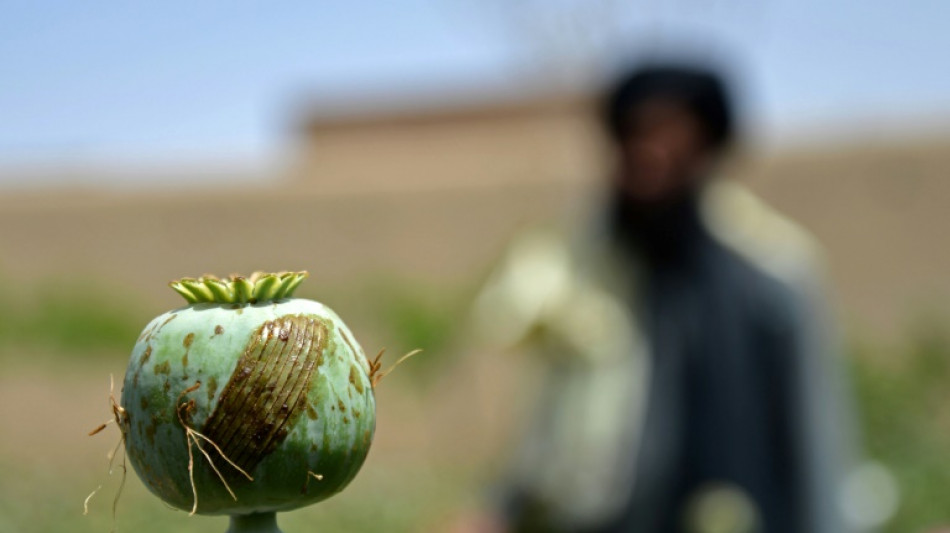
Poppy growth down 95% in Afghanistan since Taliban ban: UN / Photo: Sanaullah SEIAM - AFP/File

 Sri Lanka's de Silva quits as Test captain

 Alcaraz feeling 'mentally fresh' ahead of Shanghai return

 Israel drastically reduces British diplomatic presence in Jerusalem

 Stocks fall further as oil surge fans fresh inflation worries

 North Korea demands South show 'utmost respect' to restore relations

 Saudi says three dead in airport attacks claimed by Houthis

 'Mad dream': New showcase for African film opens in London

 All Blacks coach Rennie says Wallabies exit 'part of the game'

 The growing protests against India's poll body - and PM Modi
 Stocks fall further as oil spike fans fresh inflation worries

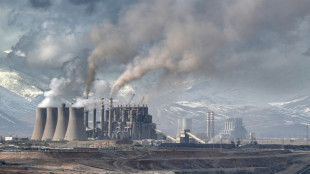 Bad COP, worse COP? EU tempers hopes for UN climate summit

 Rookie Henry named in Wallabies midfield to face All Blacks

 Housing crisis set to dominate Spain's snap election

 Gas, health care, utilities: high costs squeeze US midterm voters

 New Zealand Rugby seeks injunction over PNG Chiefs name
 Samsung expects 780% quarterly operating profit jump on AI boom

 Guardians survive with 9-3 win over White Sox

 Saudi Arabia says 3 dead at airports after Houthis claim attacks
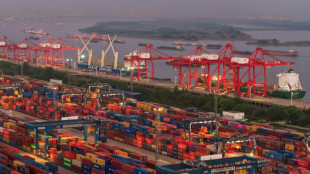
 Stocks slide as oil sees volatile trading day over Iran war fears

 Microsoft pushes AI vision with new, expensive Surface laptop

 Five children among 28 killed in Russian strikes on Ukraine

 Odell Beckham Jr signs with Minnesota Vikings

 Saudi Arabia says three dead at airports after Houthis claim attacks

 Trump plans to turn Florida golf course into presidential retreat

 WHO says cannot conduct full risk assessment on Russia plague reports

Poppy cultivation and opium production have plunged 95 percent in Afghanistan since Taliban authorities banned the crop, according to a UN report published Sunday.
Since returning to power in 2021, Taliban authorities have vowed to end illegal drug production in Afghanistan and in April 2022 banned the cultivation of the poppy plant, from which opium and heroin are made.
The report by the United Nations Office on Drugs and Crime (UNODC) found that poppy cultivation has collapsed by an estimated 95 percent -- from 233,000 hectares (575,755 acres) at the end of 2022 to 10,800 in 2023.
Opium production has followed suit, plummeting from 6,200 tons to 333 tons in 2023.
This year's estimated harvest amounts to 24-38 tons of exportable heroin, compared with 350-580 tons last year.
The UNODC warned of potential "humanitarian consequences for many vulnerable rural communities" due to the sudden contraction of Afghanistan's opium economy, as growers have had to turn to far less lucrative alternative crops.
Farmers' incomes, estimated at $1.36 billion in 2022, have fallen by 92 percent to $110 million this year, according to the UNODC, with the loss expected to impact the country's already struggling economy more broadly.
Last year, poppy crops accounted for almost a third by value of total agricultural production in Afghanistan, the world's leading producer.
"Today, Afghanistan's people need urgent humanitarian assistance... to absorb the shock of lost income and save lives," said UNODC Executive Director Ghada Waly in a statement.
"For all the other production -- cotton, wheat -- they need much more water," she said at a briefing on the report, while the country was experiencing "three years of consecutive draught".
The Afghan interior ministry's narcotics department said it agrees "to a certain extent" with the UNODC report's estimates of the area under poppy cultivation.
But it dismissed other elements of the report, such as those regarding opium production and socio-economic data, because they were not based on field-based surveys, relying instead on satellite images and previous years' data.
U.AlSharif--SF-PST