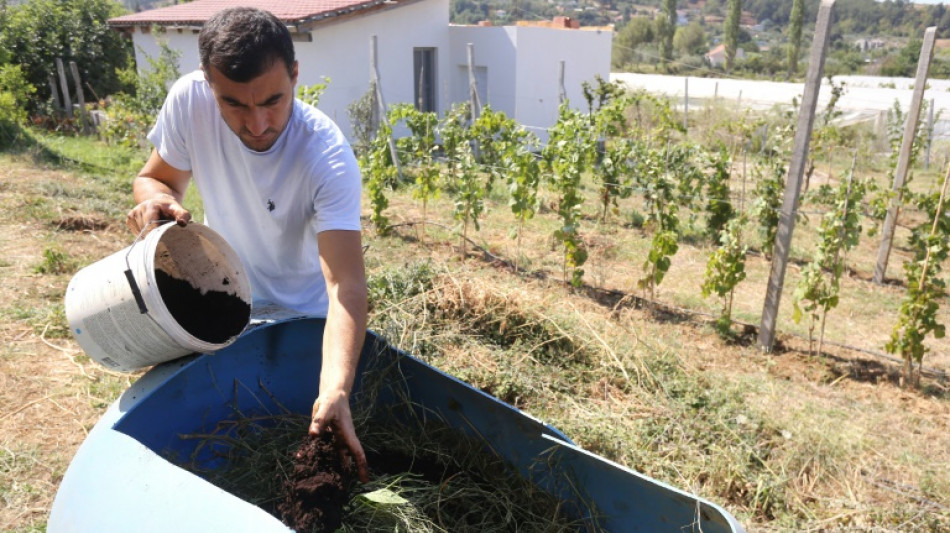
Albanian farmer feeds coffee to fields amid fertiliser crunch / Photo: Gent SHKULLAKU - AFP

 Brazil's Lula turns 81, vows to work '24 hours a day'

 Starc takes six as Australia fight back in South Africa decider

 UK man offered drugged wife to strangers online for sex: court
 مقتل حسام الزاملي برصاصة أصابت خيمة عائلته في مواصي خان يونس
 الأردن يعلن مقتل عناصر من داعش ويعرب عن الأسف لسقوط مدنيين في سوريا
 Bayern 'risk' reaps huge reward for Ballon d'Or winner Kane
 Record turnout as Israeli voters deliver verdict on Netanyahu

 Boeing reports smaller loss as it aims for stable output growth
 Iraola says Isak 'feels the trust' after Liverpool scoring streak
 Tech firms gain on Anthropic IPO optimism; HSBC slumps in London

 French media protest manhandling of journalists at far-right party rally

 EU seeks deportation powers for beefed up border agency
 أميرات أوروبيات يخترن التدريب والخدمة في صفوف القوات المسلحة
 Two charged with UK security offences over airbase plot: police

 الحزب الليبرالي يقبل فوز لولا ويتجه إلى مسار قانوني بشأن الحملة الانتخابية

 Greenhouse gas levels hit new record highs in 2025: UN
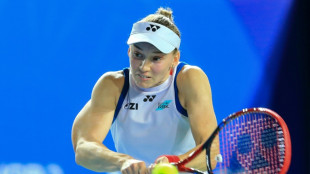 Rybakina looking to clinch year-end number one in Tokyo

 Tech firms track Wall St rally on mixed day for stock markets

 Kane says Ballon d'Or win 'feels like a dream' as tributes pour in

 HSBC profit jumps on higher rates, lower costs

 Rams rediscover offensive balance in 35-21 victory over Raiders

 Mercedes-Benz cuts 2026 profit outlook on tough China market

 Reparations calls follow Charles on tough Caribbean trip

 Jammu and Kashmir ministers resign before planned council expansion

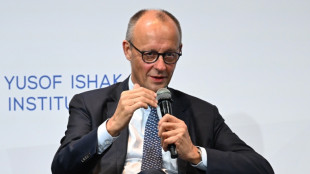 Germany, EU, stable investment stops despite upheaval: Merz

With the pandemic and the Ukraine conflict sending fertiliser prices through the roof, Albanian farmer Alban Cakalli has turned to coffee, one of the Balkan country's great loves, to nourish his fields.
The 38-year-old farmer owns only half a hectare in the town of Mamurras in northwestern Albania, but even still is unable to afford the chemical-based fertilisers imported from abroad.
As in other parts of the world, Albania's agricultural sector has been battered by rising costs, with fuel and fertiliser prices soaring after Russia, a major producer of both commodities, invaded Ukraine.
To curb expenditures, Cakalli has turned to coffee grounds, a natural fertiliser with readily available stocks in Albania, where drinking the caffeinated beverage remains a national pastime and cafes dot nearly every corner.
On an average day, Cakalli says he is able to collect up to 40 kilograms of coffee grounds.
"The Albanians are passionate about coffee," he tells AFP from his farm.
The process is time-consuming, requiring him to first collect the used beans before mixing the grounds with herbs and later composting the concoction for three months.
But the final product is "rich in nitrogen, magnesium and potassium and is a good substitute for chemical fertilisers" and "repels insects," says Cakalli.
Many of Albanian's 280,000 small time farmers have returned to similar traditional methods to enrich their soil rather than pay higher prices for imported fertilisers.
- Quality counts -
According to experts, fertilisers and fuels account for more than 45 percent of the costs in agricultural production in the country.
For decades, Albania has relied on imports for fertiliser after its factories were largely abandoned and slid into disrepair following the fall of its communist government in the early 1990s.
Russia was the top exporter of fertiliser to Albania last year, worth a total of $11 million, according to the UN's trade database.
By switching to coffee grounds, Cakalli says he saves between 1,500 and 2,000 euros ($1,550 and $2,070) per year.
As Covid disrupted global trade, he has also diversified his operations in the field.
He now focuses on growing exotic crops -- including passion fruit and goji berries -- after the import of the fruits from South America were stopped during the pandemic just as demand began to rise.
"These fruits were in high demand because they are known to help boost the immune system and for their antioxidant properties," says his wife Juli, a 34-year-old nurse.
This year alone, Cakalli has harvested a half tonne of passion fruit that sells for around 15 euros a kilo -- which is no small sum in Albania where the average salary is 460 euros.
"People like them a lot, their smell is fantastic and even better than those of the countries of origin because everything is fresh here," says Cakalli.
Alban Zusi, an entrepreneur who has been producing organic fertiliser from animal waste in northern Albania's Lezha, said the rise in prices has also come with "a silver lining" and allowed farmers to return to their roots.
Others in the industry tend to agree.
"Despite the difficulties, there is no shortage of opportunities," says Fatmir Ndoji, the head chef of a well-known farm-to-table restaurant in the region. "To create pleasure for the palate, what counts is quality."
M.AlAhmad--SF-PST