Study on serotonin and depression sparks fierce debate / Photo: Stefani Reynolds - AFP

 UN nuclear watchdog chief urges Iran to grant access

 الأسهم الأوروبية تتراجع تحت ضغط اضطرابات فرنسا ونتائج الشركات

 Boeing shares tumble after it releases cautious growth forecast

 Allegri suspended for two Serie A games after red card

 مصر تعمل على أدوات تمويل لتقليص مخاطر الاستثمار الصناعي

 قفزة بنسبة 58% في أسعار الكهرباء الفورية بألمانيا

 Carney moves to remake Canada alliances as US ties strained

 Serbia's students demand state media chiefs resign after poll win

 أسهم التكنولوجيا تدفع الأسواق الصينية إلى أدنى إغلاق في 14 شهراً

 Boeing releases cautious growth plan as shares fall sharply

 منع وفد دولي من دخول الضفة للمشاركة في مؤتمر بجامعة بيرزيت

 Exiled Russian dissident Navalnaya warns dictators becoming 'more cunning'

 Africa Ebola outbreak passes 10,000 cases, mostly in DR Congo
 EU pushes for more nations to pay to protect nature

 صحة غزة تسجل ستة قتلى و32 مصاباً خلال يوم واحد
 مقتل الطفلة جوري الصوفي برصاصة داخل خيمة نزوح في مواصي خان يونس

 بلدية الخليل: النزوح القسري تجاوز ثلاثة آلاف شخص مع استمرار الإخلاء والهدم

 محمد الغول يدعو إلى وحدة فلسطينية لمواجهة مخاطر المرحلة

 Sri Lanka end England hopes with crushing win over Pakistan

 ملاعب وأندية غزة تتحول إلى مراكز لإيواء العائلات النازحة

 Dangote, Nigeria's oil tycoon rewriting Africa's story

 Carrick to remain Man Utd boss for Chelsea clash: reports

 Maresca defends Donnarumma, Guehi after Man City defeat

 Nordic leaders call Putin as local truce begins in Ukraine

 Osaka unveils crane outfit in Tokyo before win over Paolini

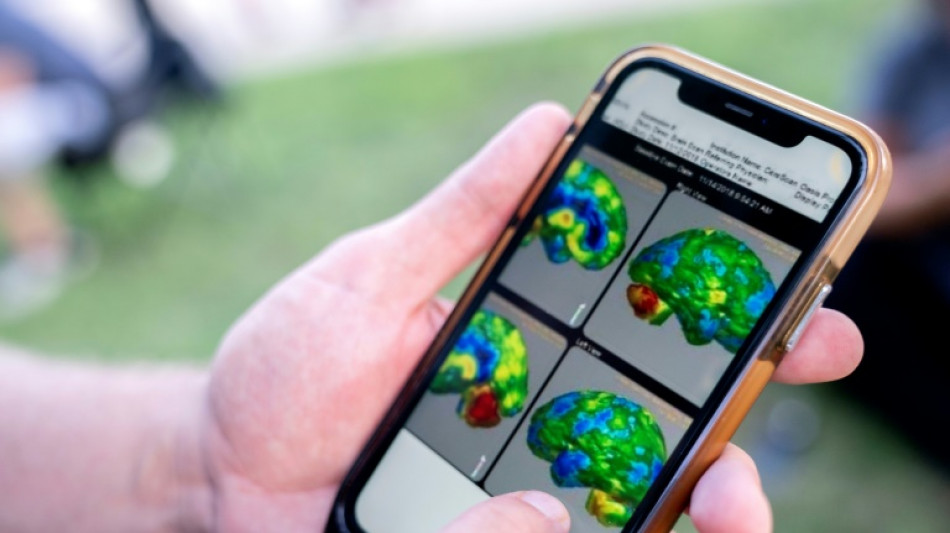
A controversy in the scientific community over a recent claims anti-depressants can be ineffective at treating depression has highlighted the difficulties in understanding mental health conditions.
One of the prevailing theories currently focuses on serotonin. Depression has been linked to a lack of the molecule, which is involved in transmitting emotions to the brain.
Claims that depression has no link to a chemical imbalance in the brain related to serotonin, casting doubt on the need for anti-depressants, have sparked fierce reaction.
A study by psychiatrists Joanna Moncrieff and Mark Horowitz in the journal Molecular Psychiatry in July concluded that there was no proven link between a lack of serotonin and depression.
The authors said it queried the underlying assumption behind the use of anti-depressants, which are mostly developed to alter serotonin levels, undoing a theory that for decades acted as a framework for research.
The study is based on several previous publications, but it quickly attracted criticism -- particularly its presentation by Moncrieff, known for her scepticism towards biological explanations of depression and her radical stance against the pharmaceutical industry.
"I'm broadly in agreement with the authors' conclusions about our current efforts, though I lack their adamantine certainty," psychiatrist Phil Cowen said on the Science Media Centre website.
"No mental health professional" would endorse the view that a complex condition like depression "stems from a deficiency in a single neurotransmitter", Cowen added.
- 'Mainstream' psychiatry -
Some peers have questioned the methodology, which measured an indirect trace of serotonin rather than taking direct measurements of the molecule.
Moncrieff, who wants to break with what she calls "mainstream" psychiatry, believes the serotonin theory still occupies an important, albeit less prominent, place in the profession.
"Even if leading psychiatrists were beginning to doubt the evidence for depression being related to low serotonin, no one told the public," the British psychiatrist wrote on her blog.
The connection between depression and serotonin is firmly rooted in the popular imagination. French author Michel Houellebecq gave the title "Serotonin" to his 2019 novel in which the main character is depressed.
Moncrieff's undermining of the serotonin theory to argue against current anti-depressants, going beyond the conclusions of her own study, has sparked the most vehement criticism.
Swiss psychiatrist Michel Hofmann told AFP her study was "serious" and contributed to expert debates about depression.
"But I don't think it is an article that should have any impact in the short term on the prescription of anti-depressants," he said.
Moncrieff has warned that anti-depressant treatment should not be suddenly interrupted. But for her, the benefits of a course of anti-depressants are doubtful if it is based on a discredited theory.
But many stress that the effectiveness of the treatments has been scientifically assessed, irrespective of the primary cause of depression.
The medicines used to treat depression "are usually many and ultimately, in most cases, we don't know what exactly makes a treatment effective", Hofmann added.
Debates on the role of serotonin only illustrate how difficult it is to understand the biological and social workings of an illness as complex as depression.
The challenges are forcing researchers to move away from models that are incomplete by their very nature.
"We are still at theories and we continue to search and test models against each other," Hofmann said.
B.Khalifa--SF-PST