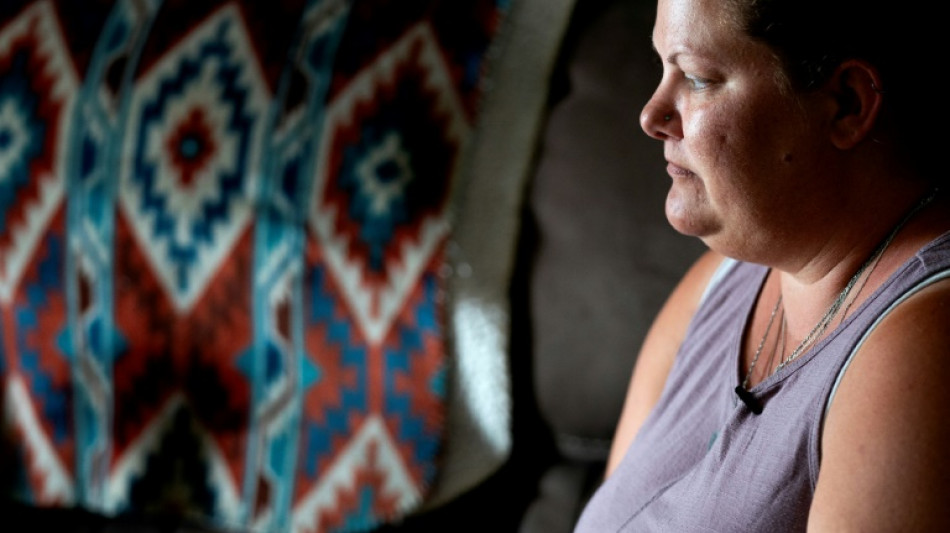
Forever 16: America's teens succumbing to deadly fentanyl / Photo: Stefani Reynolds - AFP

 UN nuclear watchdog chief urges Iran to grant access

 الأسهم الأوروبية تتراجع تحت ضغط اضطرابات فرنسا ونتائج الشركات

 Boeing shares tumble after it releases cautious growth forecast

 Allegri suspended for two Serie A games after red card
 مصر تعمل على أدوات تمويل لتقليص مخاطر الاستثمار الصناعي
 قفزة بنسبة 58% في أسعار الكهرباء الفورية بألمانيا

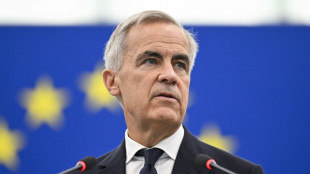 Carney moves to remake Canada alliances as US ties strained

 Serbia's students demand state media chiefs resign after poll win
 أسهم التكنولوجيا تدفع الأسواق الصينية إلى أدنى إغلاق في 14 شهراً

 Boeing releases cautious growth plan as shares fall sharply
 منع وفد دولي من دخول الضفة للمشاركة في مؤتمر بجامعة بيرزيت

 Exiled Russian dissident Navalnaya warns dictators becoming 'more cunning'

 Africa Ebola outbreak passes 10,000 cases, mostly in DR Congo
 EU pushes for more nations to pay to protect nature

 صحة غزة تسجل ستة قتلى و32 مصاباً خلال يوم واحد
 مقتل الطفلة جوري الصوفي برصاصة داخل خيمة نزوح في مواصي خان يونس

 بلدية الخليل: النزوح القسري تجاوز ثلاثة آلاف شخص مع استمرار الإخلاء والهدم

 محمد الغول يدعو إلى وحدة فلسطينية لمواجهة مخاطر المرحلة

 Sri Lanka end England hopes with crushing win over Pakistan

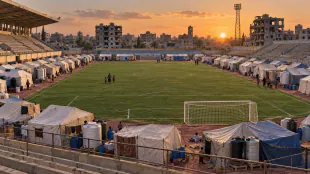 ملاعب وأندية غزة تتحول إلى مراكز لإيواء العائلات النازحة

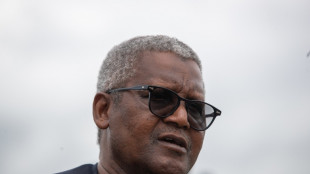 Dangote, Nigeria's oil tycoon rewriting Africa's story

 Carrick to remain Man Utd boss for Chelsea clash: reports

 Maresca defends Donnarumma, Guehi after Man City defeat
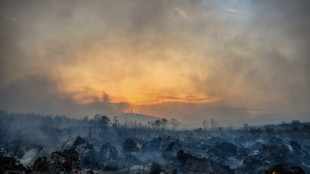
 Nordic leaders call Putin as local truce begins in Ukraine
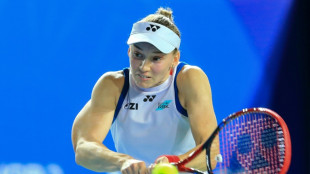
 Osaka unveils crane outfit in Tokyo before win over Paolini

Makayla Cox, a high school student in the US state of Virginia, thought she was taking medication that her friend had procured to treat pain and anxiety.
Instead, the pill she took two weeks after her sixteenth birthday was fentanyl, a synthetic opioid 50 times more potent than heroin. It killed her almost instantly.
After watching a movie -- a prequel to "Harry Potter" -- with her mother Shannon one evening in January, Makayla appeared fine as she headed to her bedroom with her husky dog that often slept on her bed.
But when Shannon entered Makayla's room the next morning, she found her partially sitting up, perched against the headboard, orange fluid coming out of her nose and mouth.
"She was stiff. I shook her, I screamed her name, I called 911," Shannon told AFP. "My neighbors came over and did CPR, but it was too late. After that, I just don’t remember much."
America's opioid crisis has reached catastrophic proportions, with over 80,000 people dying of opioid overdoses last year, most of them due to illicit synthetics such as fentanyl -- more than seven times the number a decade ago.
"This is the most dangerous epidemic that we’ve seen," said Ray Donovan, chief of operations at the US Drug Enforcement Agency (DEA). "Fentanyl is not like any other illicit narcotic, it’s that deadly instantaneously."
And deaths are rising especially quickly among young people, who obtain counterfeit prescription drugs through social media. Unknown to them, the pills come either laced with or made of fentanyl.
In 2019, 493 American adolescents died of drug overdose, in 2021 that figure was 1,146.
- Dealers seek teens via apps -
Drug dealers reach adolescents on apps such as Snapchat, TikTok, Instagram and others, often using emojis as code.
Oxycodone, an opioid, may be advertised as a half-peeled banana, Xanax, a benzodiazepine used to treat anxiety, as a chocolate bar, and Adderall, an amphetamine that acts as a stimulant, as a train.
Wilson Compton, deputy director of the National Institute on Drug Abuse, said the number of Americans doing drugs has largely stayed the same in recent years, but what changed is how deadly they've become.
One cup of heroin is equivalent to one teaspoon of fentanyl, and less than one gram can mean the difference between life and death.
"It takes very small quantities to be a poison that can stop somebody breathing," Compton told AFP in an interview.
Most of the illicit fentanyl in the United States is manufactured by Mexican drug cartels in clandestine labs from chemicals shipped over from China.
Because fentanyl is much more potent, it takes much less of it to fill a pill, resulting in more supply and more profit to the cartels.
One kilogram of pure fentanyl can be purchased for up to $12,000, pressed into half a million of pills that will sell for up to $30 each, raking in millions of dollars, Donovan said. And it’s also much easier to smuggle in pill form.
Last year, the DEA seized 15,000 pounds (nearly seven tons) of fentanyl -- enough to kill every American. Four out of 10 seized pills contain lethal quantities of fentanyl.
- 'One pill can kill' -
At the agency’s headquarters, a collection of photographs titled "Faces of Fentanyl" hangs in the hallway. It features dozens of portraits of people who recently lost their lives to fentanyl. One of them reads "Makayla. Forever 16."
An honor-roll student and a cheerleader, Makayla liked to paint, cuddle with her two huskies, Maize and Malenkai, and planned to go to university to study law, said her mother Shannon Doyle, 41, who works as a paralegal in a loan service firm.
Makayla had battled anxiety after her parents’ divorce, but things got worse during the pandemic.
Last summer she started a job at a water park, where she met a friend who introduced her to counterfeit prescription drugs.
The blue pills found in Makayla’s bed turned out to be 100 percent fentanyl. Police are investigating, but so far no arrests have been made.
"It used to be that when you were addicted to drugs you had five, 10, 15 years to try and get over your addiction and get the help and change your life," Shannon said at her house in Virginia Beach, a town on the Atlantic coast some 240 miles (400 kilometers) south of the US capital.
"You don't have that chance anymore."
Last year the DEA launched a campaign called "One pill can kill" to raise awareness of the dangers of fentanyl, and there are efforts across America to make naloxone, a medication that can reverse an opioid overdose, more easily available, including in schools.
Makayla’s ashes are in her bedroom and Shannon still peeks into the room every morning and evening, like she did when her daughter was alive.
She started a foundation in Makayla's name to help prevent similar tragedies -- a way, she says, helps her cope with her grief.
Makayla's best friend Kaydence Blanchard, 16, is spending the summer without her, trying to make good on the dreams the girls had: to get a driver's license and drive to the beach.
But for Makayla "the future will never happen," Blanchard said. "She will never complete any of the plans that we had together."
O.Salim--SF-PST