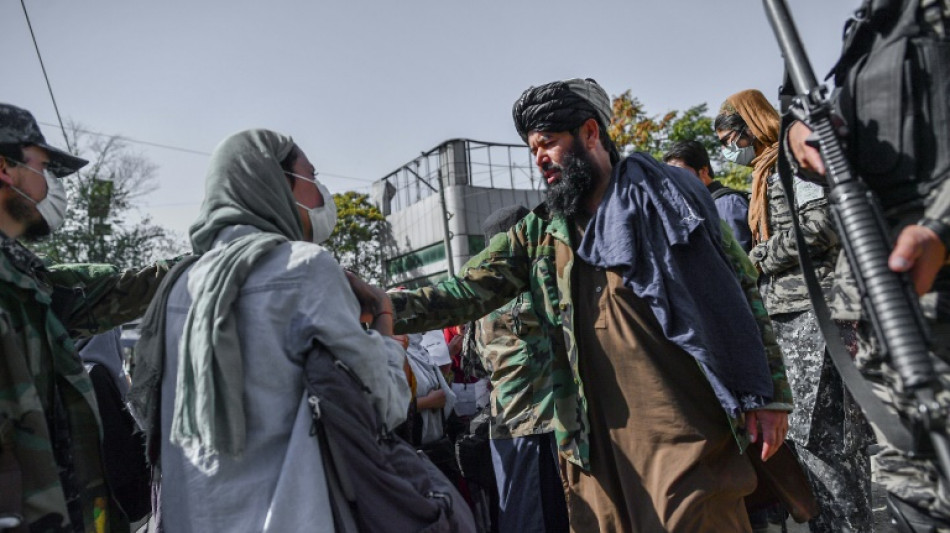
A year on, Afghan feminists in exile mourn lost ambitions / Photo: BULENT KILIC - AFP/File

 UN nuclear watchdog chief urges Iran to grant access
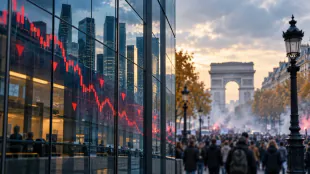 الأسهم الأوروبية تتراجع تحت ضغط اضطرابات فرنسا ونتائج الشركات

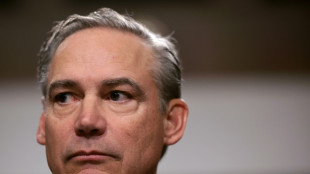 Boeing shares tumble after it releases cautious growth forecast

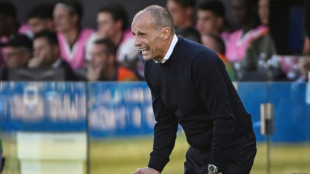 Allegri suspended for two Serie A games after red card
 مصر تعمل على أدوات تمويل لتقليص مخاطر الاستثمار الصناعي
 قفزة بنسبة 58% في أسعار الكهرباء الفورية بألمانيا

 Carney moves to remake Canada alliances as US ties strained

 Serbia's students demand state media chiefs resign after poll win
 أسهم التكنولوجيا تدفع الأسواق الصينية إلى أدنى إغلاق في 14 شهراً
 Boeing releases cautious growth plan as shares fall sharply
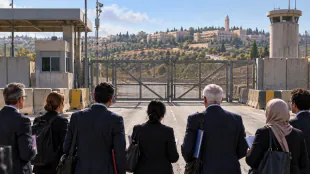 منع وفد دولي من دخول الضفة للمشاركة في مؤتمر بجامعة بيرزيت
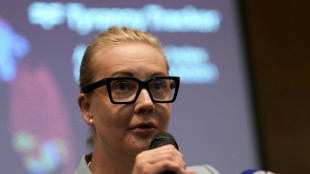 Exiled Russian dissident Navalnaya warns dictators becoming 'more cunning'
 Africa Ebola outbreak passes 10,000 cases, mostly in DR Congo

 EU pushes for more nations to pay to protect nature
 صحة غزة تسجل ستة قتلى و32 مصاباً خلال يوم واحد
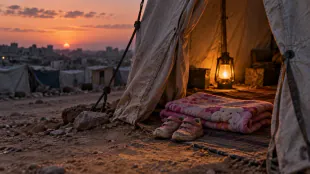 مقتل الطفلة جوري الصوفي برصاصة داخل خيمة نزوح في مواصي خان يونس

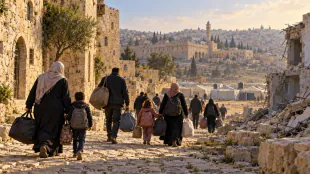 بلدية الخليل: النزوح القسري تجاوز ثلاثة آلاف شخص مع استمرار الإخلاء والهدم

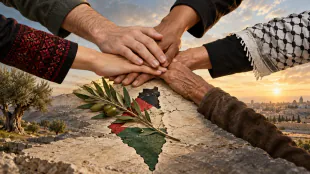 محمد الغول يدعو إلى وحدة فلسطينية لمواجهة مخاطر المرحلة
 Sri Lanka end England hopes with crushing win over Pakistan
 ملاعب وأندية غزة تتحول إلى مراكز لإيواء العائلات النازحة
 Dangote, Nigeria's oil tycoon rewriting Africa's story
 Carrick to remain Man Utd boss for Chelsea clash: reports
 Maresca defends Donnarumma, Guehi after Man City defeat
 Nordic leaders call Putin as local truce begins in Ukraine
 Osaka unveils crane outfit in Tokyo before win over Paolini

When she touched down in Paris on a flight from Kabul in the summer of 2021, Farzana Farazo vowed never to give up her feminist struggle for Afghanistan, even from exile.
But one year on, she confesses to feeling "depressed".
Like many activists fleeing Afghanistan, her hopes for the future quickly ran into an integration process fraught with obstacles.
AFP journalists first met Farazo, a former police officer, days after her arrival in France.
At the time, she was driven by her belief in the struggle for Afghan women's rights.
And she was convinced she could persist from afar, having fled for her life following the Taliban's stunning capture of Kabul that ousted the country's Western-backed leaders.
In the 20 years between the Taliban's two reigns, girls were allowed to go to school and women were able to work in all sectors -- though progress on women's rights in the deeply conservative country was largely limited to urban centres.
For Farazo, staying in Afghanistan meant a double threat to her security –- which put her on a priority list for evacuation.
As a police officer she faced retaliation from Taliban fighters the government had long pursued.
She is also a member of Hazara minority, persecuted because they are Shiites in the Sunni-majority country.
Farazo, who now lives in the home of a charity worker near Paris, said she has lost the energy she felt when she first arrived in France.
For months she hardly managed to sleep at night, she said.
"Honestly, I haven't been particularly active," the 29-year old said. "Firstly because I don't speak French well enough, but also because of the different approach to activism. Here, people talk a lot."
Over the past year, she has taken French lessons, had regular meetings with a social worker, and is now waiting to be approved for housing of her own.
"I've met with a lot of difficulties," she said.
"When you don't feel good, it's hard to concentrate," she added. "Like many others, I was independent in Afghanistan. I had a job, I have an education. So to be without anything in France makes things difficult, and that can tip you into depression."
- 'From scratch' -
The journey to integration is a long and difficult process for the activist arrivals, and one year is just not enough, said Didier Leschi, head of France's immigration and integration authority.
"But thanks to their cultural and professional networks they get more help than other Afghans who depend on the government alone," he said.
Mursal Sayas, a journalist and feminist activist, said she "got lucky" when a publisher asked her to write a book about women in Afghanistan.
"We lost everything, our country, our freedom, our achievements," she said. "We were suddenly propelled into a country where we had to start from scratch."
But Sayas said she is aware that she and her fellow exiles "have freedom of expression and the girls in Afghanistan don't", which she said made it "our duty to keep campaigning" and "denounce the injustices, the inequality, the apartheid against women".
Back home in Afghanistan women organised demonstrations during the first few months after the Taliban takeover.
But such rallies became rare after many of the demonstrators were arrested and badly beaten in prison, according to witness statements collected by Amnesty International.
Women who made it out of Afghanistan "are a source of positive energy for us", one woman in Kabul, who asked to remain anonymous, told AFP. "We know they won't forget the women in Afghanistan."
- 'Feel the pain' -
In hindsight, did Sayas make the right choice leaving her country?
"Every morning when I wake up I feel the pain of not being with my loved ones," she replied. "But it would have been worse to be captured by the Taliban and never speak to my sisters again."
As if it was not enough to be uprooted and face integration issues, these women also find that they are perceived as being worth less in their new country than back home.
"I've plunged into an identity crisis," said Rada Akbar, a graphic artist who arrived in France a year ago.
"It's going to take time to manage this, I can't just become a new person overnight," said the 34-year-old who hopes to highlight "the invisible losses" of Afghan culture under the Taliban.
The fight continues, even though her dreams have turned into "a nightmare", she said.
Since August 2021, the French government has airlifted 4,340 people from Afghanistan to France, according to interior ministry figures.
The evacuations are ongoing, "to protect Afghans who are particularly threatened", a ministry official said.
In total, more than 13,000 Afghans in France -- including people who had made their own way -- put in requests for asylum in 2021, according to the country's refugee agency OFPRA.
But NGOs say lingering red tape is making it hard not just for individual refugees to make it to France, but also for their families to follow -- with perhaps thousands waiting for their loved ones to be given French visas.
"It really should be a very simple procedure, but the authorities are very strict concerning proof of a family link, and the need for birth documents, which the Afghan authorities can't always deliver," said Salome Cohen, a lawyer for the Safe Passage charity.
U.Shaheen--SF-PST