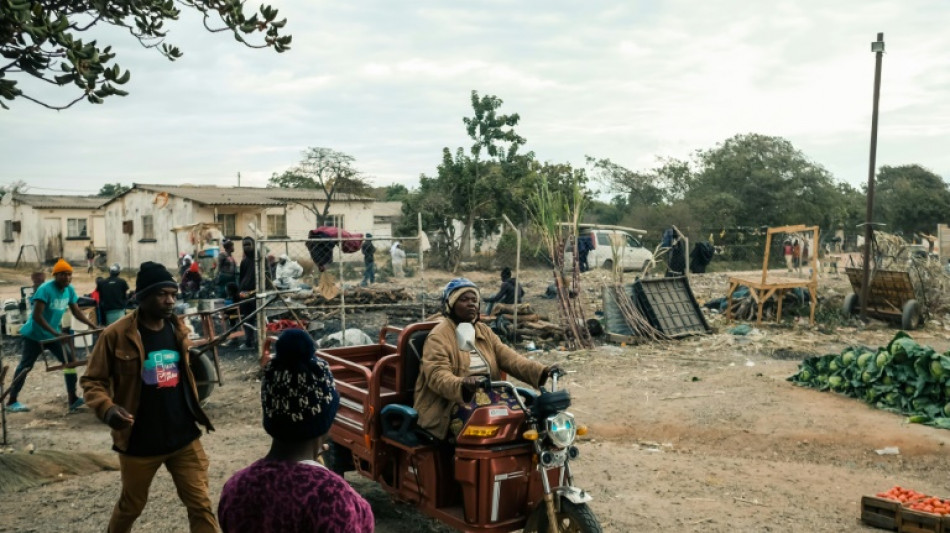
Solar electric tricycles give Zimbabwean women a lift / Photo: Jekesai NJIKIZANA - AFP

 المجلس الوطني الاتحادي يشارك في اجتماع برلماني دولي لمجموعة بريكس

 Tech firms gain ahead of Fed decision, results from AI giants

 Floriani hits maiden goal as Lazio go top

 غرف دبي تناقش صياغة العقود ووسائل تسوية النزاعات التجارية

 Trump set to drastically loosen oil and gas sector's methane rules

 شرطة رأس الخيمة تكرم فائزين بجوائز خليجية للموارد البشرية والشباب

 مبادرات محمد بن راشد العالمية تحصد جائزة موناكو للابتكار الخيري

 مصر والبنك الدولي يبدآن إعداد استراتيجية جديدة لترويج الاستثمار

 Xhaka, Embolo can return to Swiss squad after fake Covid docs affair

 مباحثات مصرية مع منظمة التجارة العالمية لتوسيع وصول الصادرات

 Lula's re-election revives Brazil-US tensions

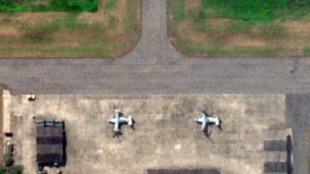 Flight data, satellite images reveal growing US role at Ecuador base
 توتال إنرجيز تبيع حصة نفطية في نيجيريا مقابل 800 مليون دولار
 McInnes feels 'guilt' ahead of Hearts return with Rangers

 Brazil's Lula turns 81, vows to work '24 hours a day'

 Starc takes six as Australia fight back in South Africa decider

 UK man offered drugged wife to strangers online for sex: court

 مقتل حسام الزاملي برصاصة أصابت خيمة عائلته في مواصي خان يونس

 الأردن يعلن مقتل عناصر من داعش ويعرب عن الأسف لسقوط مدنيين في سوريا
 Bayern 'risk' reaps huge reward for Ballon d'Or winner Kane

 Record turnout as Israeli voters deliver verdict on Netanyahu

 Boeing reports smaller loss as it aims for stable output growth

 Iraola says Isak 'feels the trust' after Liverpool scoring streak

 Tech firms gain on Anthropic IPO optimism; HSBC slumps in London

 French media protest manhandling of journalists at far-right party rally

For years, selling eggs was a joyless business for Danai Bvochora, as most of the money she made went to cover minibus fares to the market in a rural area of Zimbabwe.
That was until an earth-brown solar-powered electric tricycle changed her life.
"We used to carry loads on our heads before. The tricycle has lessened the burden," said the 47-year-old from Domboshava, about 40 kilometres (25 miles) north of Zimbabwe's capital, Harare.
She carefully loads eggs onto the tricycle's trailer before embarking on a bumpy eight-kilometre journey to the market.
"We even use it to go to church and worship," Bvochora said, explaining a single trip to buy chicken feed from a local business centre used to cost her $12.
But charging her new solar-powered vehicle sets her back only $2.50 every two weeks, and the mother of two is now making a profit.
Bvochora is among groups of women in Domboshava, a district renowned for its picturesque hills and giant boulders, who received a tricycle last year as part of a European Union-funded project to assist small-scale farmers.
Assembled by Harare-based social enterprise Mobility for Africa, the three-wheelers were first introduced in Zimbabwe in 2019 to help women develop their businesses, said the company's director Shantha Bloemen.
Transport has historically been inadequate in sparsely populated rural areas of Zimbabwe, where women often have to walk long distances carrying heavy loads on their heads to trade products -- which sometimes spoil on the way in the heat.
- Electric push -
Yet the idea of addressing that with electric three-wheelers raised a few eyebrows at first, said American-born Bloemen, who is a permanent resident in Zimbabwe and lived in the country in the 1990s when she worked for UNICEF.
"It was very lonely when we started," Bloemen said, explaining her team had to work hard to prove to funders that the idea was viable.
"No one was talking about electric mobility in Africa let alone for rural women."
Three years later, the social enterprise is planning to more than triple its current fleet of 88 motorised vehicles by the end of 2022.
It operates three solar-powered stations, where drivers can come to swap their lithium battery for a fully charged one when running low on energy -- and foots the bill when something breaks.
Zimbabwe has for more than two decades faced tough economic conditions, with rural areas particularly hard hit. The country's economy is mainly driven by the informal sector, to which Domboshava women farmers such as these belong.
While some of the three-wheelers -- nicknamed "Hamba" or "go" in the local Ndebele language -- were bought by the EU and then gifted to locals, others are rented out for $5 a day.
Phyllis Chifamba, a 37-year-old mother of four, uses her rented vehicle as a taxi.
Her clients include sick people going to a clinic, pregnant women going for medical checks, and villagers and farm dwellers going to do their shopping and other errands.
"I am able to provide food for my family and pay school fees for my children with the money I make from using the Hamba," she said.
Mobility for Africa said it was planning to expand operations to other areas.
Beneficiary Frasia Gotosa said her small business has improved since she has been driving to the market as her vegetables no longer rot while waiting for the bus or pushing a wheelbarrow.
"Now I get to the market while my produce is still fresh," she said.
S.AbuJamous--SF-PST