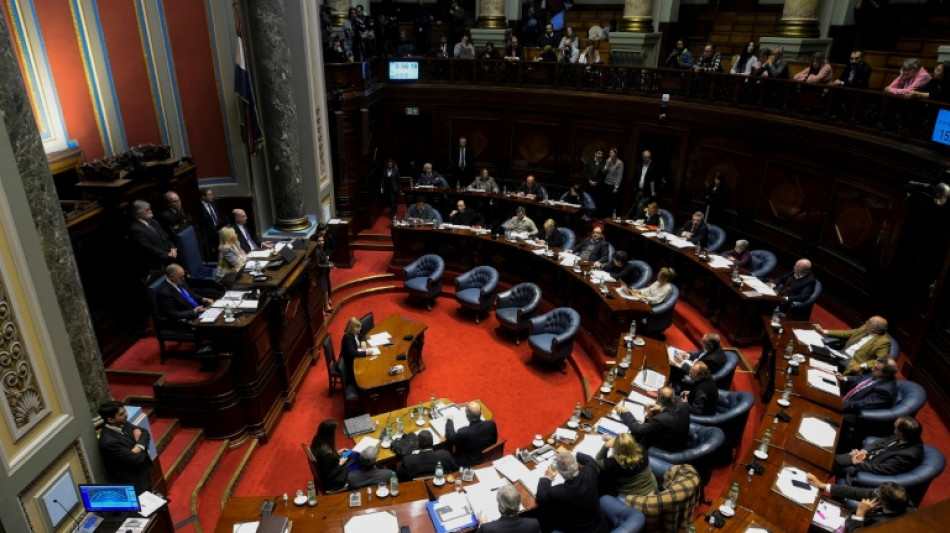
Argentina, Uruguay ratify EU-South America trade deal / Photo: Dante Fernandez - AFP

 Hundreds arrested in French school protests as Macron summons ministers
 WADA seeks tough anti-doping stance from Kenya
 German ex-spy chief arrested for suspected espionage, treason
 Furyk vows US will 'do more' to end Ryder Cup losing streak

 Iyer hits ton as India hammer West Indies in T20 opener
 Mandhana named India women's team captain after Kaur quits
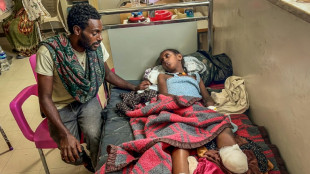 'The sound keeps coming back': children maimed in Ethiopia's Tigray clashes

 Paris Women's Fashion Week: the key trends

 i-payout Introduces a New Approach to Payments, Closing the Beneficiary Information Gap

 New Generation of Crypto Miners Released by ASICID
 New investor forecasts LIV Golf teams could be worth $100 mn each
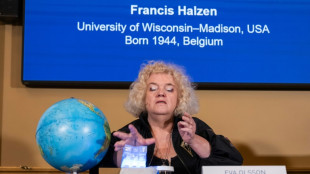
 Shakira, Pique return to court over children visit arrangements

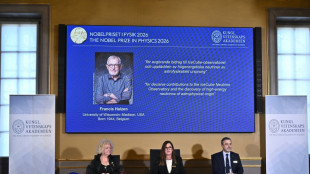 Nobel physics prize hails 'ghostly messengers' from space
 France's Mistral unveils latest model in sovereign AI push

 Stocks climb as oil prices retreat
 Vstock Transfer Names Securities Industry Veteran Erica Goodstein General Counsel and Chief Compliance Officer

 Four Indonesian seamen return home after Somali pirate ordeal

 Crisis-striken Haiti postpones elections

 Germany arrests ex-spy chief on suspicion of giving secrets to foreign powers

 Djokovic wins China Open after de Minaur retires
 IMF warns cost-of-living shocks cause 'lasting deterioration' in affordability
 Alcaraz wins Japan Open for first title since injury return
 'We're working to keep football clean', Turkish minister says

 FIFA chief Infantino hit by Norwegian double complaint

 Exiled Catalan separatist leader Puigdemont cleared to return to Spain
Argentina on Thursday became the second South American country to ratify a massive trade deal with the European Union that has generated enthusiasm from Brasilia to Buenos Aires but sparked protests and legal challenges in Europe.
Argentine senators voted 69-3 in favor of the agreement to create one of the world's biggest free trade zones, sealing its adoption days after it passed the lower house.
Hours earlier, neighboring Uruguay was first out of the blocks to ratify the deal, which has been fiercely opposed by farmers in some EU countries.
It still requires approval from lawmakers in the European Parliament, which referred it to the EU's top court within days of being inked in January.
The deal between the EU and the four founding members of the Mercosur bloc -- Argentina, Brazil, Paraguay and Uruguay -- was a quarter century in the making.
It eliminates tariffs on more than 90 percent of trade between the two blocs, which together account for 30 percent of global GDP and more than 700 million consumers.
The South Americans have moved to quickly enshrine it in their legislation, in an apparent bid to pressure Brussels to follow suit.
In Brazil, the lower house of parliament backed it by a large majority on Wednesday.
Paraguay has also moved to ratify it.
The accord, which was energetically promoted by EU chief Ursula von der Leyen and Brazilian President Luiz Inacio Lula da Silva as well as the leaders of Germany and Spain, aims to boost EU exports of vehicles, machinery and wines and spirits.
In return, South American producers of meat, sugar, rice, honey and soybeans gain easier access to one of the world's largest economies.
Brussels can decide to implement it provisionally while waiting for an EU court ruling on its legality, but has not yet taken a decision on doing so.
South American countries in the meantime are ploughing ahead.
Uruguayan Foreign Minister Mario Lubetkin hailed his country's ratification on Thursday as "a signal" to Europe, which the South Americans have accused of foot-dragging.
Argentine Senator Francisco Paoltroni hailed the accord as representing "the path to the definitive development of our republic."
Some EU nations hope the pact that could help boost exports at a time of global trade tensions.
France, however, unsuccessfully tried to block the deal over concerns for its farmers, who fear being undercut by cheaper goods from Brazil and its neighbors.
The European Commission reacted to those concerns by adopting a series of safeguards for its producers.
Y.Shaath--SF-PST