What to know about the EU-Mercosur deal / Photo: Nelson ALMEIDA - AFP

 'Never again Bolsonaro': thousands march ahead of Brazil election runoff
 After botched execution, US woman was nearly taken off life support before revival
 Searing AIDS drama 'Elsinore' opens London film festival

 Evicted pensioner who sparked Spain housing protests dies: tenant union
 Golf star Rahm quitting LIV tour over 'unacceptable' terms
 Thousands march fearing return of a Bolsonaro presidency in Brazil
 French PM denies police ordered to confront student protesters
 Rubio touts US power, calls on Europe to emerge from 'slumber'

 Trump says 'we don't think' Russian plague is bio-weapon
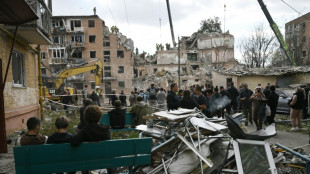
 Five children among 26 killed in Ukraine after Russian strikes
 Man City should 'accept' punishment for rule breaches, says Lineker
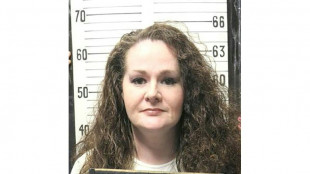 US woman who survived botched execution is awake and speaking
 From 1800s to modern pharma: a Nobel-winning chemistry quest
 Southampton boss Eckert given suspended ban over 'Spygate'
 Russia warns of 'false' information as second plague case reported
 IEA ready to release more oil reserves if necessary
 HSBC 'consults' over UK unit job cuts amid AI adoption
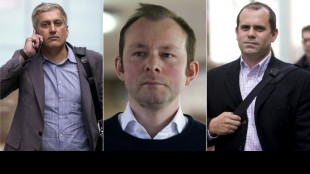 UK court quashes five ex-traders' Libor rate rigging convictions
 XM Receives “Global Customer Experience Leader Award 2026” at the TrustFinance Performance Awards
 Stocks slide as oil climbs on Mideast flareup
 Heavy casualties in Ukraine after Russian strikes
 French wine harvest set to hit historic low
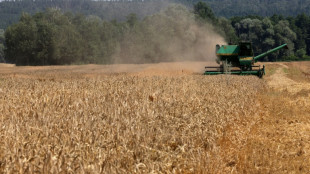 Kyiv 'cannot agree' to EU membership limiting food exports: minister
 Arteta targets more Arsenal glory after signing new deal until 2030
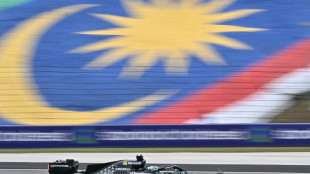 Russell hit with Singapore grid penalty for taking new power unit
Squabbles over the EU-Mercosur trade deal are likely to punctuate a European Union summit in Brussels on Thursday.
European Commission President Ursula von der Leyen is set to visit Brazil on Saturday to sign the so-called Mercosur deal.
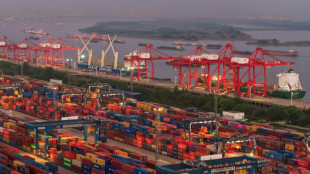
Over 20 years in the making, the contentious pact would create the world's largest free-trade zone, but has critics up in arms over its far-reaching implications for European farmers.
France and Italy oppose the deal currently on the table, as do the thousands of agricultural workers heading to protest in the Belgian capital on Thursday.
- What is the Mercosur deal? -
The free-trade agreement is between the EU and South America's Mercosur bloc, made up of Brazil, Argentina, Uruguay and Paraguay.
The lifting of customs duties would therefore affect two enormous markets: 450 million consumers in Europe, and 270 million in South America.
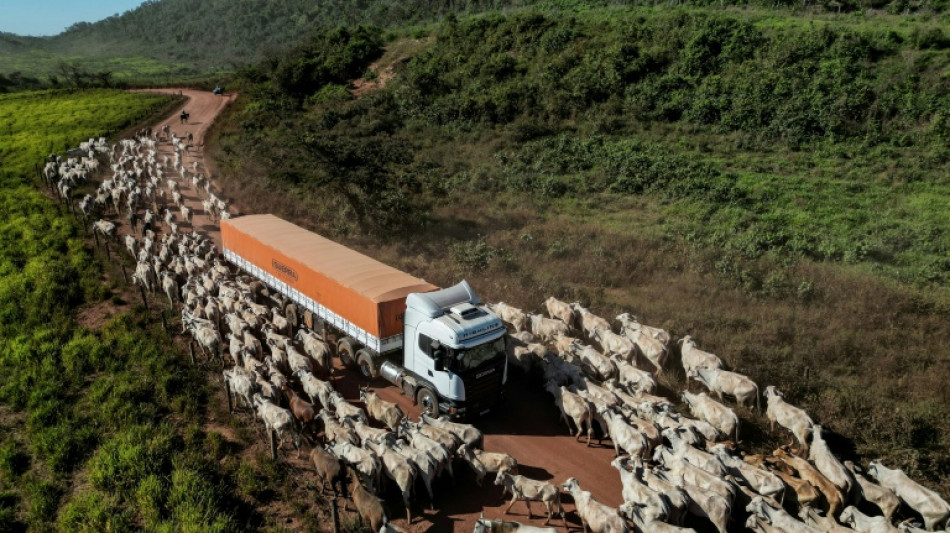
Concluded in late 2024 but awaiting ratification, the deal would allow the EU to export more vehicles, machinery, wines and spirits to Latin America, while facilitating the entry of South American beef, sugar, rice, honey and soybeans into Europe.
Europe's energy and technological transition has prompted the bloc to strengthen ties with a mineral-rich region boasting lithium, copper, iron and cobalt.
- Why are farmers against it? -
Farmers fiercely contest the Mercosur deal, which they say will flood the market with cheaper alternatives and cause untold damage to their livelihoods.
Agricultural unions have projected up to 10,000 protestors in Brussels on Thursday, including 4,000 from France.
Latin America's agricultural sector meanwhile stands to benefit substantially.
In 2024, the four Mercosur countries exported $23.3 billion worth of agricultural and agrifood products to the EU, according to Eurostat, resulting in a trade deficit of €20.1 billion ($23.6 billion) for the EU.
Criticism has also focused on the deal's impact on livestock farming.
It provides for export quotas to the EU of a maximum of 99,000 tonnes for beef, which is 1.6 percent of the bloc's production.
The commission has said that duties of over 40 percent, and not 7.5 percent, will continue to apply to any exports above the quota.
French cattle farmers fear a threat to their competitiveness, claiming their South American counterparts are not subject to the same environmental and food security measures as in Europe.
On Tuesday, the European Parliament attempted to provide reassurance by agreeing to monitor imports of sensitive products like beef, poultry and sugar, with the possible reintroduction of customs duties in the event of averse effects.
EU lawmakers want the commission to intervene if a Mercosur product costs at least five percent less than its EU equivalent, and if the volume of duty-free imports increases by more than five percent.
The original proposal fixed both thresholds at 10 percent, and the bloc must now settle on a compromise.
- Is there a timeline? -
Von der Leyen is set to travel to Foz do Iguacu to sign the deal during a Mercosur leaders summit.
But she first requires the approval of European heads of state before jetting off, which she is under pressure to secure at Thursday's summit.
The parliament must also approve the decision, and a narrow vote is likely, with 150 lawmakers calling for a legal challenge to the deal at the European Court of Justice.
- Who is for and against it? -
Spain supports the Mercosur deal, anticipating a boost to its wine and olive oil exports. Agriculture Minister Luis Planas on Tuesday reiterated his call to sign the "crucial" pact "in the coming days".
Germany has adopted a similar tone, with the EU's largest economy likely bolstered by a determination to salvage its flailing automobile industry.
French President Emmanuel Macron said Wednesday that "France would firmly oppose" any "desire from European authorities to force through" the deal.
He demanded robust safeguard clauses, tighter import controls and more stringent standards for Mercosur producers.
And on Wednesday, Italy's far-right premier Giorgia Meloni warned against "premature" ratification as safeguards for farmers still had to be finalised.
Brazil's President Luiz Inacio Lula da Silva on Wednesday repeated calls for EU member states to consent to the deal.
"I've already warned them: if we don't do it now, Brazil won't make any more agreements while I'm president," he said.
E.Aziz--SF-PST