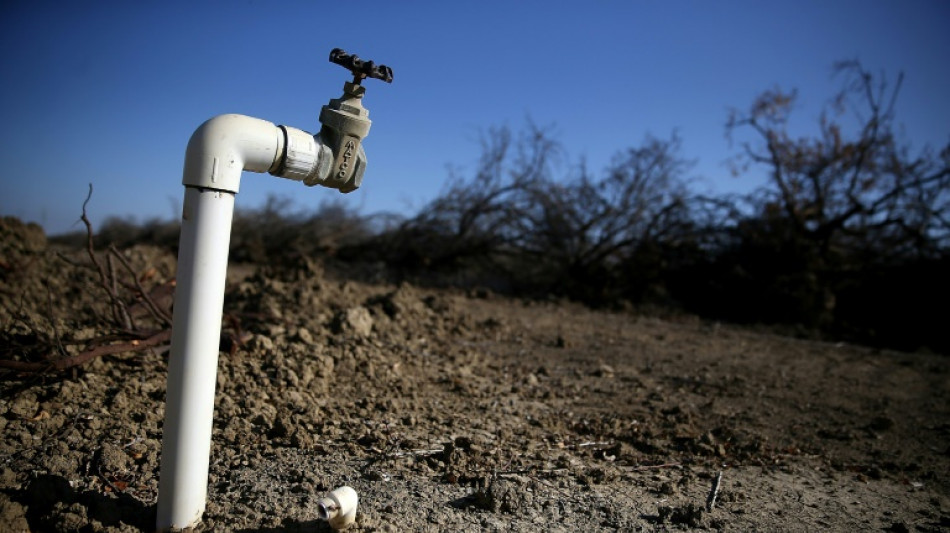
Unprecedented water curbs kick in for drought-hit Los Angeles / Photo: JUSTIN SULLIVAN - GETTY IMAGES NORTH AMERICA/AFP

 Israeli Arab parties hold key as Netanyahu falls short of majority
 Spain high-speed train collision kills 31, injures 80
 Turkey hosted Libya east-west reunification talks last week

 Shadman guides Bangladesh to 213-3 in West Indies Test

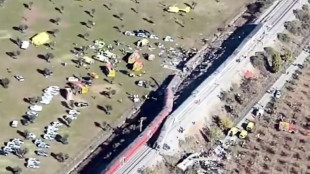 Spain high-speed train collision kills 30
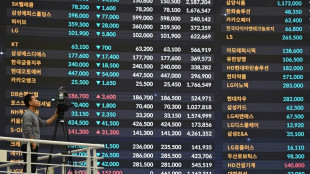 Tech optimism lifts stocks ahead of Fed update on rates

 أربع وفيات و15 إصابة بالتهاب السحايا البكتيري بين أطفال غزة

 Springboks pick six uncapped players for Nations Championship

 Israel's unassuming President Herzog holds keys to next government

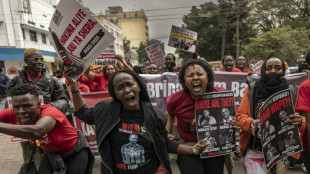 Cross-border abductions threaten Kenya's status as dissident refuge

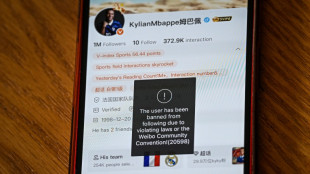 Real Madrid apologise to China over Mbappe comments
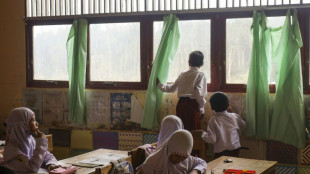
 صربيا ترفع مستوى التأهب بعد هجوم بسكاكين أمام سفارة إسرائيل
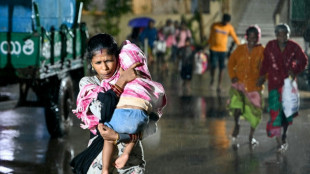
 توقعات بتثبيت الفائدة الأميركية رغم تسارع التضخم وصعود الطاقة

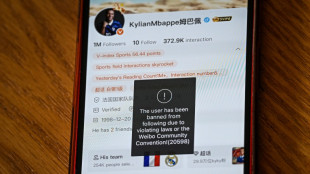 China says takes Mbappe apology 'seriously' after Mao remark
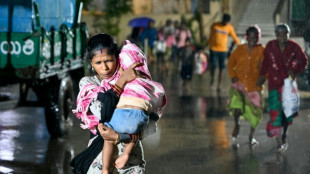
 Flavio Bolsonaro on way to Ecuador from Argentina after fleeing Brazil

 Netanyahu bloc leads after half of Israeli votes counted but no majority
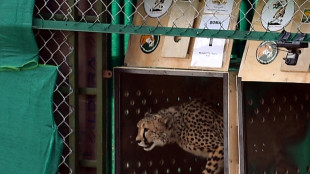 India vows action after first cheetah shot dead

 'Now or Never': Ethiopia influencers push for Eritrea invasion
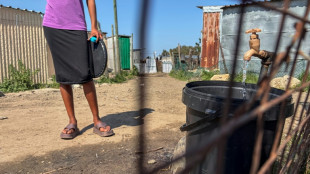
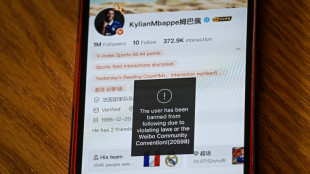 Mbappe furore rages on in China, but Mao comments censored
 Billionaire Ambani's Jio jumps 21% in market debut after record India IPO
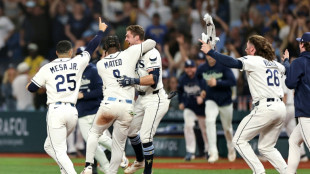 Rays win thriller to thwart Brewers in World Series
 Reigning champ Knicks earn first win against Pistons

 Runners swap streets for shopping malls as haze chokes Singapore
 Billionaire Ambani's Jio to debut after record India IPO
 UK set for cautious budget as borrowing costs climb
Unprecedented restrictions on water usage went into effect Wednesday in the Los Angeles area, which like most of California is in the grip of severe drought for the third consecutive year.
More than six million customers are affected by the new measures, which limit watering gardens to one day a week and only during the coolest hours, under penalty of a fine and reduced water flow.
The goal is to reduce consumption by 35 percent in the area served by the Metropolitan Water District (MWD) of southern California, which encompasses 19 million residents, or nearly half of the US state's population.
"We have not had the supply to meet the normal demand that we have, and now we need to prioritize between watering our lawns and having water for our children and our grandchildren and livelihood and health," the MWD said in an April statement announcing the restrictions.
The district, which acts on behalf of 26 local agencies, depends for its water supply on resources located hundreds of miles away.
Nearly a third comes from northern California via the State Water Project, a colossal network of 21 dams and more than 1,000 miles (1,600 kilometers) of canals and pipes that carry water south from the mountains of the Sierra Nevada.
Due to chronic drought exacerbated by climate change, the State Water Project announced it could meet only five percent of its usual deliveries this year to MWD, which had no choice but to take the drastic new measures.
- Climate change and the 'American cliche' -
Rather than limiting watering to once per week, district agencies also have the option of reducing water consumption to about 80 gallons (300 liters) per day per person.
That was the option chosen by the city of Los Angeles, where watering is now restricted to two days per week.
According to experts, water used for irrigation accounts for 70-80 percent of urban consumption in southern California.
"If we shift toward plants and landscapes that are more appropriate toward California climate, we could dramatically reduce our water use," said Heather Cooley, director of research at the Pacific Institute, a think tank on water issues.
Many homeowners had already made this choice during a 2012-2016 drought, when the governor of California imposed a 25 percent reduction in urban water consumption.
With climate change, "the American cliche of the green lawn with a white fence should not exist in California anymore," said Javier, a gardener AFP met on an LA street unloading succulents in front of a client's house.
"Now it needs to be succulent plants and heat resistant vegetation," he said.
"More and more people are asking for that. They prefer to have a nice front lawn with healthy low water plants and native plants, like succulents and cacti, rather than dirty brown grass," he added.
According to the US Drought Observatory's weekly bulletin, more than 97 percent of California was in "severe, extreme or exceptional" drought conditions on Wednesday.
And many dams and water reservoirs are at levels well below normal, even before the start of summer.
The Colorado River, another major water source for southern California and used by tens of millions of people in the American West, is also badly affected.
According to a 2020 study published by the US Geological Survey, the flow of the Colorado has dropped by an average of 20 percent over the past century, and at least half of that decline can be attributed to rising temperatures.
In California, average summer temperatures are 1.6 degrees Celsius above their level at the end of the 19th century.
E.Aziz--SF-PST