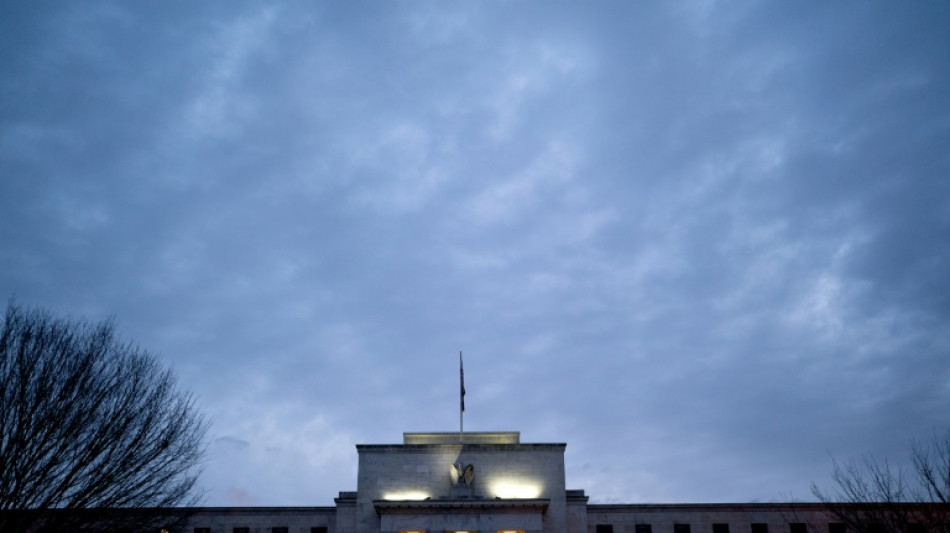
From recession to inflation, how the US Fed has dealt with crises / Photo: Stefani Reynolds - AFP/File

 Afghanistan opium poppy cultivation surges despite Taliban govt ban: UN

 No World Series miracle for weary Rays

 Miami Heat earn first win of NBA season with Antetokounmpo

 Brewers beat Rays 4-1 to capture first World Series title

 Philippine island fights rising seas with nature, not concrete
 Bangladesh presses India before Ganges water treaty expires

 Trump accuses Alaska Democrats of fraud over same-name scandal

 Spain mourns after latest train tragedy kills 68

 Trump's border: quiet, but few people are happy

 Australian defence chief says China military buildup creating 'pressure' in SE Asia
 No penalty practice? No problem for Man City in shoot-out win

 Microsoft beats expectations fueled by Azure cloud business
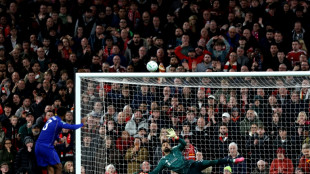
 Chelsea win as Bayern draw with Madrid in Women's Champions League

 Kane watches as Bayern cruise into German Cup last 16

 Bayern boss Kompany out of hospital after meningeal irritation

 Shares in Google owner Alphabet sink on profit miss, ad slowdown
 Chelsea win as Bayern and Madrid draw in Women's Champions League
 السكتة الدماغية: علامات مبكرة تجعل التدخل السريع ضرورة

 Rwanda cannot be blamed for what happens in DR Congo, FM says

 Pioneering US labor leader Dolores Huerta dies at 96

 موقع سهيلة الأثري يعيد قراءة تاريخ الاستقرار البشري في حتا

 اعتماد 7 يناير يوم زايد المؤسس مناسبة وطنية سنوية في الإمارات

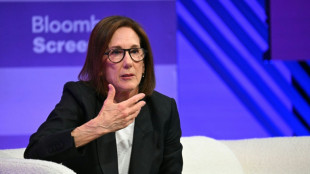 Hollywood producer Kennedy to head LA28 Olympic ceremony plans

 Russell calls on Scotland to 'kick on' and beat big teams

 تركيزات قياسية لغازات الاحتباس الحراري في الغلاف الجوي خلال 2025

The US Federal Reserve has strongly signaled it will raise interest rates by half a percentage point this week to rein in soaring inflation, and likely continue hiking throughout this year.
The Fed has long played a decisive role when the world's largest economy faces tough times. Here are some of its major actions since the 2008 global financial crisis:
- The financial crisis and recovery -
November 2008: The Fed began injecting liquidity into financial markets following the collapse of Lehman Brothers investment bank. The central bank launched three such programs before ending asset purchases in June 2014.
December 2008: The central bank cut its lending rate to zero amid the crisis, where it remained until December 2015.
October 2017: The Fed began reducing the holdings on its balance sheet, which had ballooned from less than $900 billion before the crisis to $4.5 trillion.
- Trade war slows growth -
December 2018 to August 2019: Interest rates peaked in the range of 2.25 percent to 2.5 percent.
Fall 2019: The Fed cut rates several times to the 1.5-1.75 percent range as the trade war launched by then-president Donald Trump slowed growth. The Republican leader had criticized the bank for its high rates.
- Support during the pandemic -
March 3, 2020: The Fed cut its lending rate by 50 basis points to between one and 1.25 percent.
March 16, 2020: As Covid-19 spread across the country and the economy shut down, the Fed slashed its lending rate by 100 basis points to zero and resumed its asset purchase policy, which eventually reached $120 billion per month in Treasury bonds and mortgage-backed securities.
- Economy recovers, inflation arrives -
November 3, 2021: The Fed announced it will begin slowing the pace of its asset purchases, with a view towards ending them entirely by the following June, which would set the stage for rate hikes to fight inflation.
December 15, 2021: Recognizing that inflation will not be "transitory," as top officials had believed, the central bank accelerated the end of its asset purchases to March.
March 16, 2022: The central bank raised interest rates for the first time since 2018 to the 0.25-0.50 percent range.
April 6, 2022: The minutes from the Fed's March policy meeting are released, showing that many participants see one or more 50-basis point rate hikes as necessary if inflation pressure continues.
April 29, 2022: The Fed's preferred inflation gauge, the personal consumption expenditures price index, rises 6.6 percent year-on-year and 0.9 percent month-on-month in March, both faster paces than the month prior.
W.Mansour--SF-PST