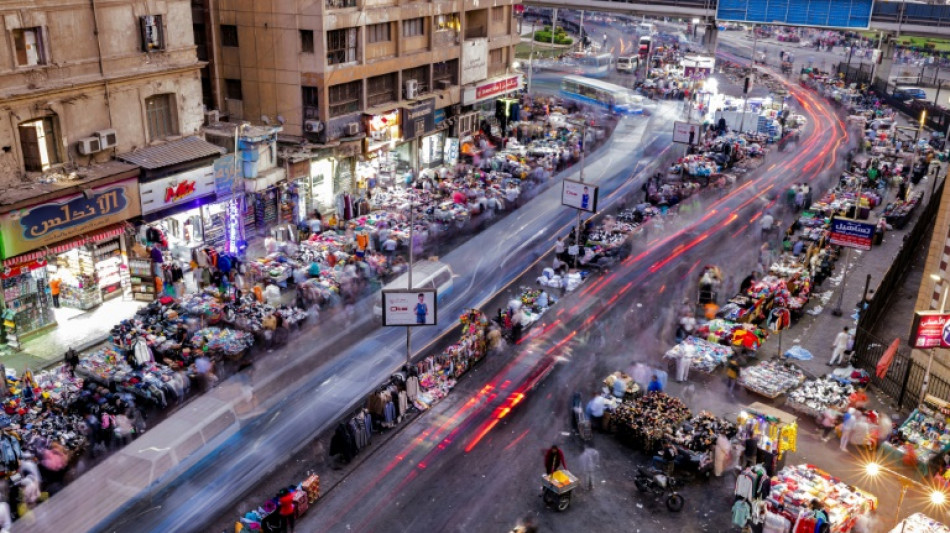
Egyptians hit by soaring food prices as crisis bites / Photo: Khaled DESOUKI - AFP/File

 Nigeria widens hunt for possible Ebola cases
 Liverpool star Isak back to his best says Iraola

 Lula supporters cross fingers in Rio, a Bolsonaro bastion
 Flights resume at Riyadh airport as Houthis attack Saudi Arabia

 High-flying Betis held at Celta Vigo
 Shadab ton stuns England as Pakistan reach tri-series final

 'With you': Opposition leader Machado returns to Venezuela

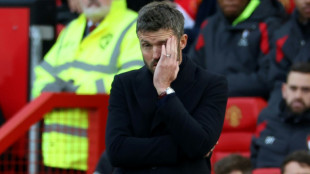 Carrick on the brink as Man Utd misery mounts, Isak stars for Liverpool

 Monaco hold Lille as both move to top of Ligue 1
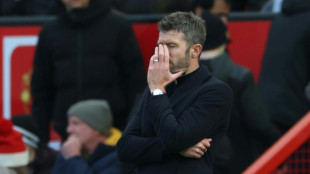
 Isak extends hot streak as Liverpool sink Brighton
 Brazil chooses between Lula and Bolsonaro in nail-biter vote

 Doha opens ninth World Investment Forum focused on future investment

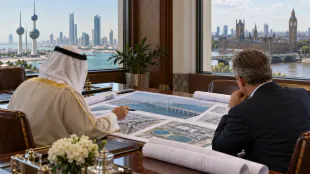 Kuwait public works minister and UK ambassador discuss closer cooperation

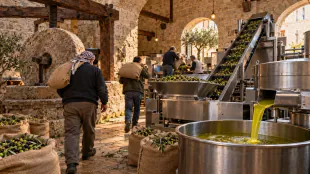 Historic Ramallah olive press joins modern production with local tradition

 Hebron operation forces 373 Palestinian families from their homes

 Kuwait legal department reviews new commercial concealment law

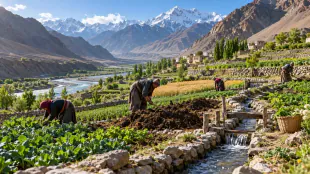 Ladakh declared India’s first fully organic union territory
 IRDAI gives stakeholders until October 31 to comment on distribution reforms

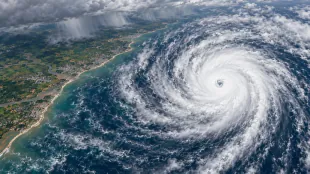 Bay cyclone forecast to strike Andhra-Yanam coast at very severe strength

 Technical outlook diverges for Bharti Airtel, PFC, REC and Alkyl Amines
 J&K Bank raises accident cover for government employees to ₹1 crore

 فيديو انتخابي لبن غفير من سجن عوفر يثير انتقادات

 الأمير علي ينتقد دعم الاتحاد الآسيوي لإنفانتينو ويطالب بالشفافية

 هيئة حقوقية تحذر من تهجير وهدم واسع في الخليل

 نازحو مخيم الإسراء في غزة يواجهون نقص الغذاء وتراجع المساعدات

Public anger has been growing for months in Egypt over a severe dollar crunch and soaring food prices. But for many a money-saving tip from a state body has been the last straw.
As families have struggled to purchase household staples, an Egyptian government agency praised an alternative, cheap protein source -- "chicken feet, good for the body and the budget".
The advice drew widespread scorn on social media while lawmaker Karim al-Sadat slammed it as "divorced from the reality of the crisis".
The anger reflects the hardships of many in the Arab world's most populous nation, which recently had to ask for a $3 billion loan programme from the International Monetary Fund.
"The bread I used to buy for one Egyptian pound now costs three," said Rehab, 34, at a Cairo bakery, asking not to be named in full.
"My husband makes 6,000 pounds ($242) a month, which used to last us all month but now runs out in 10 days."
In a country heavily reliant on food imports, prices have also shot up for staples such as cooking oil and legumes, putting the financial squeeze on many of Egypt's 104 million people.
Rationing signs in big supermarkets now warn customers they can each purchase only three bags of rice, two bottles of milk and one bottle of oil.
Reda, a 55-year-old civil servant and hospital janitor who provides for her family of 13, said frozen meat had more than doubled in price and is "no longer an option".
"Even with two salaries, there's a lot I just can't buy anymore."
- Scramble for dollars -
Egypt's economy was hit hard after Russia's invasion of Ukraine last February unsettled global investors and led them to pull billions out of the North African country.
The war sent wheat prices spiralling, heavily impacting Egypt, one of the world's largest grain importers, and piling pressure on its foreign currency reserves.
With costs driven up further by soaring global energy prices, official inflation topped 18 percent in November.
The central bank twice devalued the pound last year as the foreign currency crunch saw imported goods worth billions held up at its ports.
Amid the crisis, President Abdel Fattah al-Sisi's government has been looking for foreign currency where it can.
Starting this month, tourists will have to pay for train tickets in dollars, said Transport Minister Kamel al-Wazir.
Many banks have limited foreign currency withdrawals and tripled credit card charges.
Even the pro-government TV talk show host Amr Adib voiced fury when he urged banks to allow Egyptians abroad to at least "withdraw enough money to take a taxi to the airport so they can come home".
- Suez Canal fund -
Egypt has in the past decade tripled its foreign debt to $157 billion. It has $33.5 billion in foreign reserves, of which $28 billion are deposits from its wealthy Gulf allies.
The IMF loan programme, worth $3 billion over 46 months, is a drop in the bucket for Cairo whose debt service in 2022-2023 alone amounts to $42 billion.
Ratings agency Moody's ranks Egypt as one of the five countries most at risk of defaulting on its foreign debt.
Egypt's economy has long been dominated by powerful state and military-led enterprises.
"The Egyptian military, on whose support President Sisi is dependent, is the main beneficiary of the debt policy," said Stephan Roll of the German Institute for International and Security Affairs.
External debt has helped "to finance major projects in which they could earn significant money, namely large development projects entrusted to military engineers," he said.
As such, Roll said, Egypt's foreign debt policy has served to "consolidate the authoritarian regime".
Under IMF pressure, Egypt is now seeking to make headway on some long-delayed privatisation schemes.
A recent move to create a sovereign fund tied to the Suez Canal raised public fears that Egypt would lose sovereignty over the waterway, a major source of national pride.
Authorities were quick to reassure Egyptians that the canal is "not for sale," while a fund overseen by Sisi himself aims to leverage the canal's revenues to draw in foreign investment.
"When it comes to money, stay out of it," Sisi said recently. "I know how to handle it."
Z.AlNajjar--SF-PST