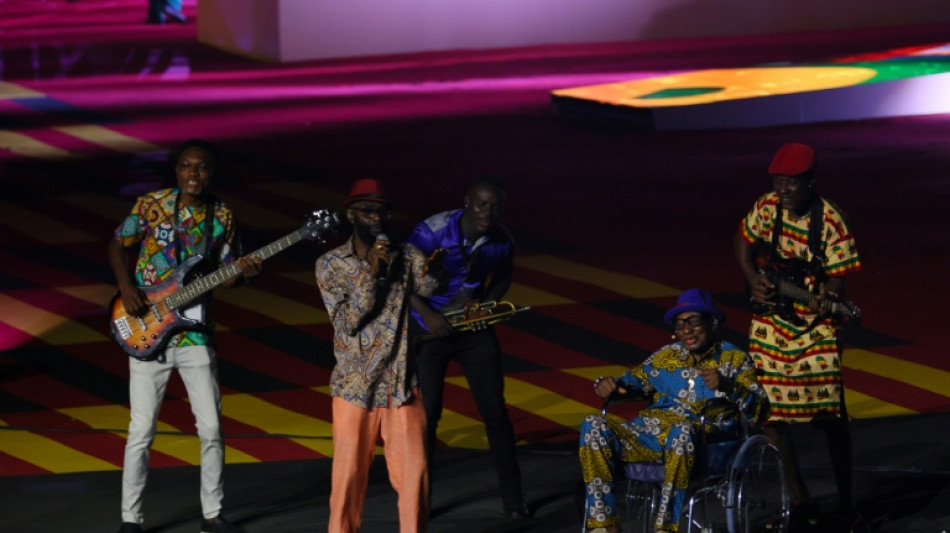
Music world mourns Ghana's Ebo Taylor, founding father of highlife / Photo: Nipah Dennis - AFP

 Maryland Regulators and Air Force Clash Over Jet Fuel Spill Cleanup and Golf Course Exemption

 Bishop Museum Races to Save Rare Megamouth Shark Specimen

 Musk Questions AI Development Viability as SpaceX Leasing Revenue Surges

 مصطفى معروفي ينشر قصيدة 'أصوغ كلامي أهتدي بتجاربي'

 Luxembourg Housing Petition Passes Threshold for Parliamentary Consideration

 Raheem Sterling Receives Suspended Sentence After Lamborghini Crash

 Audience to Choose the Set List at Luxembourg's First FAMIL Jukebox Night

 Luxembourg Pay Rise Delayed as Regional and World Headlines Develop

 مواجهة في البرازيل بين نشطاء وفلسطينيين وسياح إسرائيليين حول جدارية مؤيدة

 رئيس جامعة القدس يستعرض نموذج الشراكة بين التعليم العالي والصناعة في قمة QS بأبوظبي

 ابتكارات فلسطينية في مسابقة "سيف" العالمية بالرياض
Tributes have been pouring in from across Ghana and the world since the death of Ghanaian highlife legend Ebo Taylor.
A guitarist, composer and bandleader who died on Saturday, Taylor's six-decade career played a key role in shaping modern popular music in West Africa.
Often described as one of the founding fathers of contemporary highlife, Taylor died a day after the launch of a music festival bearing his name in the capital, Accra, and just a month after celebrating his 90th birthday.
Highlife, a genre blending traditional African rhythms with jazz and Caribbean influences, was recently added to UNESCO's Intangible Cultural Heritage list.
"The world has lost a giant. A colossus of African music," a statement shared on his official page said. "Your light will never fade."
The Los Angeles-based collective Jazz Is Dead called him a pioneer of highlife and Afrobeat, while Ghanaian dancehall star Stonebwoy and American producer Adrian Younge, who his worked with Jay Z and Kendrick Lamar, also paid tribute to his legacy.
Nigerian writer and poet Dami Ajayi described him as a "highlife maestro" and a "fantastic guitarist".
- 'Uncle Ebo' -
Taylor's influence extended far beyond Ghana, with elements of his music appearing in the soul, jazz, hip-hop and Afrobeat genres that dominate the African and global charts today.
Born Deroy Taylor in Cape Coast in 1936, he began performing in the 1950s, as highlife was establishing itself as the dominant sound in Ghana in the years following independence.
Known for intricate guitar lines and rich horn arrangements, he played with leading bands including the Stargazers and the Broadway Dance Band.
In the early 1960s, he travelled to London to study music, where he worked alongside other African musicians, including Nigerian Afrobeat pioneer Fela Kuti.
The exchange of ideas between the two would later be seen as formative to the development of Afrobeat, a political cocktail blending highlife with funk, jazz and soul.
Back in Ghana, Taylor became one of the country's most sought-after arrangers and producers, working with stars such as Pat Thomas and CK Mann while leading his own bands.
His compositions -- including "Love & Death", "Heaven", "Odofo Nyi Akyiri Biara" and "Appia Kwa Bridge" -- gained renewed international attention decades later as DJs, collectors and record labels reissued his music. His grooves were sampled by hip-hop and R&B artists and helped introduce new global audiences to Ghanaian highlife.
Taylor continued touring into his 70s and 80s, performing across Europe and the United States as part of a late-career renaissance that cemented his status as a cult figure among younger musicians.
Many fans affectionately referred to him as "Uncle Ebo", reflecting both his longevity and mentorship of younger artists.
For many, he remained a symbol of highlife's golden era and of a generation that carried Ghanaian music onto the world stage.
K.AbuTaha--SF-PST

