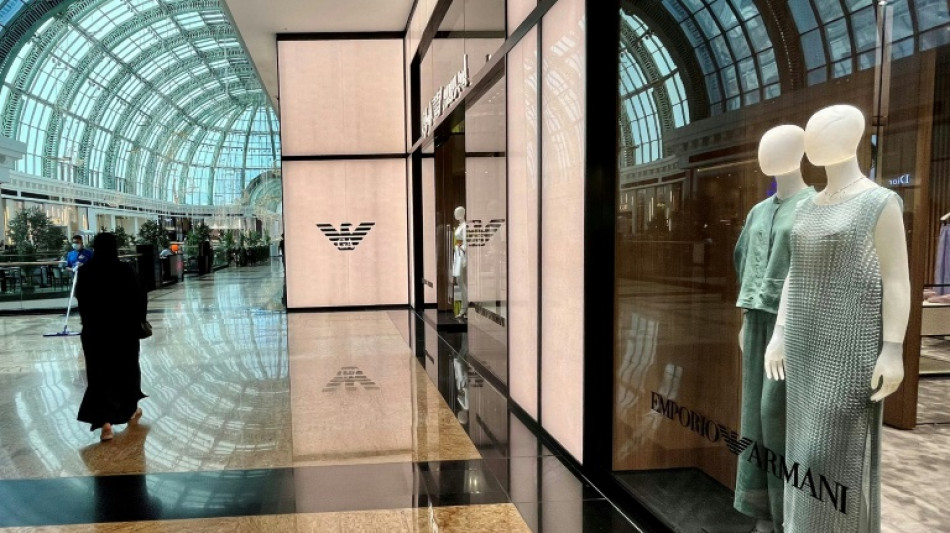
Luxury brands court Middle East with Ramadan collections / Photo: Giuseppe CACACE - AFP

 Teenager shoots headmaster, teacher at French school

 'Breaking Bad' actor RJ Mitte dead: representatives
 Former DR Congo president Kabila forms new force with M23 armed group

 Tom Cruise's 'Digger' tanks, leaving studio with $250 mn hole
 US actress Selma Blair arrested after flight altercation
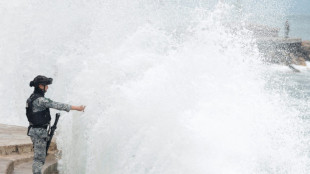 One dead as Hurricane Simon creeps along Mexico's Pacific coast

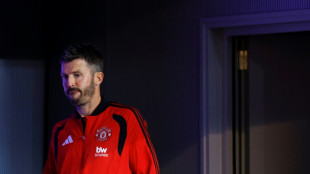 Carrick's Man United 'hungry and eager' to fix worst start in decades
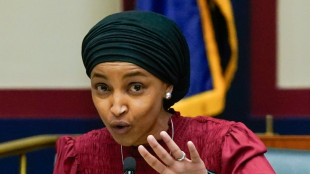 Fury as US federal agents search anti-Trump lawmaker's home

 One goal enough for Flick as Barca enter Galatasaray cauldron
 A7 to unveil a service that will re-invent the international payments market

 'Status quo' with EU 'not good enough', UK PM says as summit date set
 Stolen Renoir paintings found behind wall in France

 French supermarkets suffer refrigerator shutdown after 'unprecedented' cyberattack
 Arsenal lose Hincapie and Zubimendi in freak double blow
 Saudi says resilience tested, vows response after deadly airport attacks
 Alcaraz exits Shanghai Masters in straight-sets loss
 Pope to enter hospital on Tuesday for lung operation

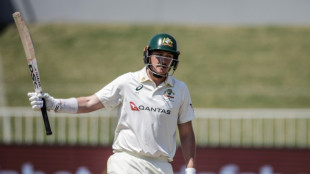 Renshaw shines again before Australia declaration
 Atletico's Simeone encourages goalless Alvarez improvement
 FXGLOBE Rebuilds Its Copy Trading and PAMM Business With B2BROKER's B2COPY
 Nepal rescuers search for missing after flash flood
 Oil rises as Trump comments roil energy markets
 Premier League in limbo as Manchester City soar
 Zelensky vows to respond as Moscow silent on 'energy ceasefire'

 Thousands march in India's capital to demand election chief resign

With flowing kaftans, fluid separates and glamorous maxi dresses, Western luxury fashion brands are increasingly targeting the monied Middle Eastern market with Ramadan capsule collections.
"You're about to be the best-dressed person at every iftar and suhoor that you attend," declared Cosmopolitan Middle East magazine earlier this month in a Ramadan fashion spread, referring to the meals before and after the daily fast during the Muslim holy month.
Top luxury brands from Louis Vuitton to Versace have rolled out handbags and shoes, sunglasses and clothing that varies between sober pastels, florals and embroidered prints.
Gucci's 2023 Ramadan collection, "Nojum" (meaning stars), is inspired by the night sky, featuring deep purples and daywear options for men.
"Luxury brands know more now about our local culture, our Islam. You can see abayas and jalabiyas, Ramadan and Eid collections in the windows of luxury brands," said Moza el Katbi as she shopped in the Mall of the Emirates in Dubai.
Also soaking up the offerings in the opulent shopping centre was Feriale Faraj, an Iraqi who lives in Jordan but was visiting her son in Dubai.
"I feel happy when we see something like that. It's nice to encourage this if we have the means" to buy, she said, admiring the Dior and Louis Vuitton displays.
"Western fashion isn't the only fashion that is beautiful, the oriental style is also pretty," she added.
- Booming industry -
The trend of releasing Ramadan collections in recent years reflects the development of the Middle East into a significant market for fashion brands, with increasingly demanding consumers who are among the highest spenders in the world.
E-commerce is booming, influencers from the region have growing clout, and women are playing an increasingly active role in the workforce.
"The post-pandemic shift of international luxury spending, the boom in tourism and changing consumer behaviour, new local interest in health and fitness regimes, strong economic prospects and relatively low inflation make the region particularly attractive for brands to invest in," said Euromonitor analyst Marguerite Le Rolland.
She said global brands were also keen to diversify, as Europe's economy was vulnerable to the fallout of the Ukraine war, and Covid-19 lockdown policies in China had caused uncertainty in that major market for luxury brands.
- Avoiding cliches -
While some luxury houses clearly brand their collections for Ramadan, others merely reference the "sacred season" or "this special time of the year".
Some allude to the Middle East with tags about "a thousand and one nights" or "starry skies".
Sofiane Si Merabet, founder of the Dubai-based Karta cultural marketing group, highlighted the difficulty in balancing "the growing commercialisation of Ramadan and cultural appreciation of this key moment.
"Some brands rush in with all the cliches: the moon, camels, the woman in the desert... we can play with the rules but it really depends how it is done.
"What is fundamental when we talk about Ramadan is authenticity... and not hyper-commercialisation. Brands must rely on local communities and artists and not import everything from Paris."
A.AbuSaada--SF-PST