-
 Abhishek Sharma: Indian cricket's 'new-generation superstar'
-
In-form Fernandez sets up Tokyo final against Russia's Shnaider

-
 Marquez stretches MotoGP championship lead after Martin pulls out
-
محمد بن راشد يتابع مخططات وقف تحدي القراءة العربي في دبي

-
 الشارقة الإسلامي يدرج صكوكاً بقيمة 500 مليون دولار في ناسداك دبي
-
Scam centres relocated from Cambodia operate in Madagascar

-
 جاسيندا أرديرن تدرّس القيادة القائمة على التعاطف في جامعة سيدني
-
النائب العام العسكري الإماراتي يؤكد المساواة في أداء الخدمة الوطنية

-
 In-form Fernandez reaches Tokyo final
-
قمة في دبي تناقش الامتثال ومكافحة الجرائم المالية في قطاع الصيرفة

-
 رأس الخيمة تطلق إطار التنقل الذاتي ومنطقة لتجارب المركبات
-
Marc Marquez on front row at Malaysian MotoGP as Martin ruled out

-
 حور القاسمي تبحث قيادة المؤسسات الثقافية خلال الأزمات في الدوحة
-
James, Maxey fuel 76ers over Knicks in NBA Cup thriller

-
 Injured Martin out of Malaysian MotoGP in big title blow
-
عشرة مقتنيات منزلية قديمة قد تهدد الصحة والسلامة وأمن البيانات

-
 قراصنة العملات المشفرة يستولون على 20.6 مليار دولار منذ أول اختراق
-
High-speed, high-risk Route du Rhum yacht race sets off Sunday

-
 US, S.Korea, Japan vow 'complete' N.Korea denuclearization
-
السيطرة على تسرب ناقلة نفط في مياه الإمارات واستمرار المعالجة

-
 Fears of violence as France braces for Halloween protests
-
إحالة متهمين إلى الجنايات العسكرية في قضية تلاعب بالخدمة الوطنية

-
 Nations commit to get nature goals back on track
-
أسبوع القاهرة للمياه يعزز الحوار والشراكات لمواجهة تحديات الموارد

-
 OKC's Holmgren to miss at least eight weeks as Thunder injury woes deepen
-
US oil companies aim to squeeze more out of refineries

-
 التضخم السنوي في بولندا يتراجع إلى 3.5% خلال أكتوبر
-
الجمارك المصرية توسع الميكنة لتقليص زمن الإفراج عن البضائع
-
 الكرملين يتهم أوكرانيا بتجاهل طلب وقف ضرب مصافي النفط الروسية
-
'Not very smart' - Verstappen slams Red Bull stable-mate after clash

-
 Leclerc quickest in Mexico GP practice
-
اتصالات التحذير قبل الغارات الإسرائيلية تثير أسئلة قانونية وإنسانية

-
 Trump admin approves potential Patriot missiles sale to Ukraine
-
وقفة في الخليل تطالب بعودة عائلات هجرتها القوات الإسرائيلية

-
 Polish riot police deployed as deposed court chief sets off crisis
-
حماس تدعو إلى توسيع التحرك النقابي الدولي المتضامن مع غزة

-
 Sun Goddess wins at Breeders' Cup, O'Brien leads Baffert
-
تقارير عن اعتقالات واستدعاءات سياسية متواصلة في الضفة الغربية

-
 Young Canadians focus on mental health at key climate trial
-
القدس والأقصى في سباق الانتخابات الإسرائيلية بين التسريع والتدرج

-
 Nations agree push to get nature goals on track
-
الاتحاد الأوروبي يقر دعماً عسكرياً لموريتانيا بقيمة 20 مليون يورو

-
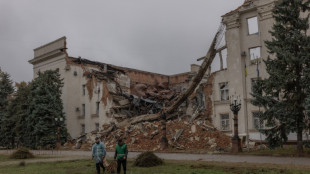 'Breath of fresh air' truce brings hope to Ukraine's ravaged Kherson
-
Leclerc shows practice pace as Antonelli prowls in Mexico

-
 British king reflects on colonial atrocities in Guyana
-
اتهام 13 شخصاً من حزب الله بالاعتداء على أمن الدولة في لبنان

-
 Trump, Milei under pressure to explain Bolsonaro flight from Brazil
-
Nations agree crucial texts in overtime at UN nature summit

-
 مدفيديف إلى نصف نهائي فيينا ويحجز مقعده في ختامية تورينو
-
Hakimi bags hat-trick as Paris Saint-Germain rip Le Havre to pieces

EU lawmakers approve 'return hubs' migration reform
European lawmakers gave final approval Wednesday to tougher migration rules that will grant authorities much broader detention powers and allow for the creation of deportation centres outside the bloc.
The 418 to 218 vote in Strasbourg was one of the last hurdles for a reform that has sailed through the EU's notoriously long legislative process as Brussels and member states respond to political pressure to curb migration.
It was welcomed with cheers from right and far-right parliamentarians and chants of "shame on you" from the left of the assembly, underscoring deep divisions over a text severely criticised by human rights groups.
"This regulation tells everybody that it is us and not the smugglers deciding who can stay in the European Union and who must leave," said Magnus Brunner, the EU's commissioner for migration.
The text notably enables nations to open "return hubs" outside the EU's borders, where migrants with no right to stay could be sent -- something a group of countries is raring to do.
Denmark, Austria, Greece, Germany and the Netherlands and others have already been exploring options to set hubs up.
"Our goal is to conclude the first agreements for the creation of these structures in 2026, so that they are operational from 2027," Greek Prime Minister Kyriakos Mitsotakis said on Sunday.
Until recently a fringe idea, the plan got further endorsement Tuesday, when a majority of EU nations agreed to seek to secure EU money to run such centres in a move opposed by France and Spain.
European governments have sought a tougher stance amid a souring of public opinion on migration that has fuelled far-right electoral gains across the continent.
With migrant arrivals down in 2025, the focus in Brussels has turned to improving the repatriation system, which currently sees less than 30 percent of people ordered to leave actually returned to their country of origin.
Right-wing French EU lawmaker Francois-Xavier Bellamy called the vote a "historic step for Europe and proof that change is possible," adding "we are not condemned to powerlessness."
- 'Dark chapter' -
Besides return hubs, the new measures establish a strict obligation for migrants subject to expulsion to leave and cooperate with authorities to that end.
Those who do not, or who pose a security risk or are thought to be at risk of absconding, can be detained for up to two years.
Such provisions have sparked an outcry from human rights groups and left-wing politicians.
Maria Nyman of Catholic humanitarian aid group Caritas said the changes risk "stigmatising and criminalising migrants, fuelling polarisation at a time when our societies urgently need greater cohesion."
Under the new rules authorities would be allowed to search third-country nationals, their homes or other "relevant premises" and seize personal belongings, in their push to ensure the return of irregular migrants.
Alessandro Zan of the centre-left S&D group called the reform "a dark chapter for Europe".
"It paves the way for forced deportations, increasingly invasive Trump-era ICE-style checks, and the normalisation of detention even for people who committed no crime," he said, referring to the heavy-handed practices used by Immigration and Customs Enforcement in the United States under President Donald Trump.
Proponents say return hubs -- which would serve either as the final destination or as transfer centres for those expelled -- could facilitate repatriations and act as a deterrent for would-be irregular migrants.
But critics question their effectiveness, pointing to the hurdles faced by similar projects, and compare them to "legal black holes" that could see migrants stranded in limbo with little oversight.
Britain abandoned a scheme to deport undocumented migrants to Rwanda, while Italian-run facilities to process migrants in Albania have faced legal challenges and a slow uptake.
"EU member states will be able to deport migrants and asylum seekers to so-called 'return hubs' that may effectively serve as offshore detention centres and have reportedly been discussed with rights-abusing countries like Rwanda or Uzbekistan," said Iskra Kirova of Human Rights Watch.
The law now needs a formal green light from member states -- which have already provisionally endorsed it -- to come into force.
Most new measures will apply immediately after that and some provisions 12 months later.
D.Khalil--SF-PST