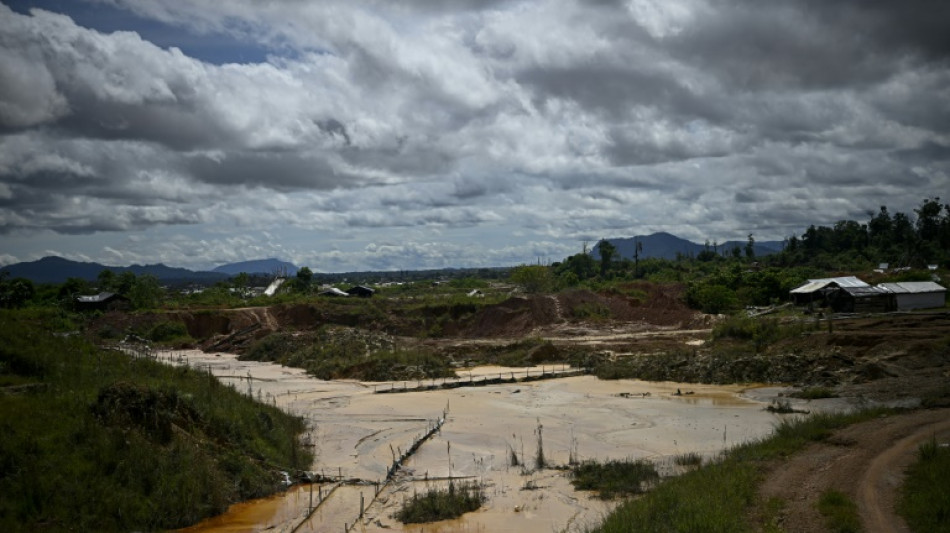
Venezuelan mining towns devoid of life after army operation / Photo: Federico PARRA - AFP

 Abhishek Sharma: Indian cricket's 'new-generation superstar'

 Marquez stretches MotoGP championship lead after Martin pulls out

 الشارقة الإسلامي يدرج صكوكاً بقيمة 500 مليون دولار في ناسداك دبي
 جاسيندا أرديرن تدرّس القيادة القائمة على التعاطف في جامعة سيدني

 In-form Fernandez reaches Tokyo final

 رأس الخيمة تطلق إطار التنقل الذاتي ومنطقة لتجارب المركبات

 حور القاسمي تبحث قيادة المؤسسات الثقافية خلال الأزمات في الدوحة

 Injured Martin out of Malaysian MotoGP in big title blow

 قراصنة العملات المشفرة يستولون على 20.6 مليار دولار منذ أول اختراق

 US, S.Korea, Japan vow 'complete' N.Korea denuclearization

 Fears of violence as France braces for Halloween protests

 Nations commit to get nature goals back on track

 OKC's Holmgren to miss at least eight weeks as Thunder injury woes deepen

 التضخم السنوي في بولندا يتراجع إلى 3.5% خلال أكتوبر

 الكرملين يتهم أوكرانيا بتجاهل طلب وقف ضرب مصافي النفط الروسية

 Leclerc quickest in Mexico GP practice

 Trump admin approves potential Patriot missiles sale to Ukraine

 Polish riot police deployed as deposed court chief sets off crisis

 Sun Goddess wins at Breeders' Cup, O'Brien leads Baffert

 Young Canadians focus on mental health at key climate trial

 Nations agree push to get nature goals on track

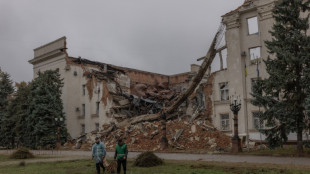 'Breath of fresh air' truce brings hope to Ukraine's ravaged Kherson

 British king reflects on colonial atrocities in Guyana

 Trump, Milei under pressure to explain Bolsonaro flight from Brazil

 مدفيديف إلى نصف نهائي فيينا ويحجز مقعده في ختامية تورينو

A major military operation against criminal gangs in southeastern Venezuela has left a trail of ghost towns and abandoned mines in its wake.
Notebooks lie open in vacant school classrooms, while a game of pool in a bar appears to have been abandoned mid-match.
But the punters are nowhere to be seen following the launch of an army operation to expel criminal groups from Las Claritas on Monday.
The gold-mining area controlled by Juancho and Joha Petrica -- the latter a co-founder of the notorious Tren de Aragua gang -- is located in Venezuela's resource-rich Orinoco Mining Arc.
AFP journalists saw military vehicles, intelligence service vehicles and armed agents in Las Claritas on Thursday.
Taking place just weeks after Venezuela approved mining legislation that opens the door to private investors, authorities have kept their lips sealed about the operation.
The South American nation has the world's largest proven oil reserves and is also rich in gold, diamonds, bauxite and coltan, mostly located in the mining belt which is largely controlled by criminal gangs.
A dozen people told AFP that they had seen military helicopters dropping three bombs, in an offensive denounced by non-governmental organizations.
Jose Guzman, a 68-year-old artisanal miner, heard a projectile fly overhead on Monday.
"I told people that we were under attack and there was an explosion, and then shortly after, about two seconds later, there were two more," Guzman told AFP.
- 'Reign of terror' -
Many local workers have welcomed the military action, decrying the harsh conduct of the gangs in the firing line.
"You can't imagine the abuse against the population," one artisanal miner said of the army's targets on condition of anonymity.
"It was a reign of terror. You had to pay and pay, over and over again. Those who didn't pay were kicked out -- or worse," he said.
A motorcycle taxi driver who transports mining materials said he had to pay gang members $200 for his work uniform.
"We had to pay one gram of gold ($120) every week," he said, also preferring to keep his identity private.
"I hope they don't come back so we can live with dignity. That's all we're asking for."
- 'Abandoned' -
Mines stretch for miles in the nearby Brisas de Cuyuni area, where dirt roads wind between camps and plastic sheets cover simple wooden homes.
Miners mix mud with powdered detergent, which then flows through a series of chutes covered with materials that absorb the mineral.
They are later "washed" with water and mercury to extract the gold.
The army intervention has upended that way of life, however.
"This place is practically abandoned," said artisanal miner Antonio Figuera, 47, as he swept out an old cafe.
Once bustling with businesses, the place is "practically a ghost town, there's hardly anyone left," he said.
Now motorcycles move constantly to and fro, carrying men, women, children and cargo,emptying the town of all remnants of civilization, even the roofs of the buildings.
"We're staying here because we don't want to be looted," two women in a small restaurant said, as some homes and businesses have already been stripped bare.
Francisco attempts to extract some gold from the ground alongside his wife and daughter, unsure of how else he will pay for transport out of the area.
"I don't have a single dollar. No savings," he told AFP.
"If we go to the city, hunger will kill us," said 53-year-old miner Rafael, echoing the same concerns.
- Waiting -
The government is expected to grant new licenses to multinationals in this area, where three large companies operated in the 2000s before president Hugo Chavez eliminated concessions for Western companies.
Alexis Perez, 52, loiters beside the settlement where he typically spends two weeks straight, working 12-hour days before returning to his family.
His muddy room contains a wooden bed under a mosquito net and a simple handmade table.
The money he makes is enough "to sort of get by."
"A miner's life is hard, it's tough work," he said. "It's dangerous, sometimes the hillsides collapse and bury you."
He says he is "waiting to see what the government says."
"Whether they're going to let us work or if they're finally going to take over this area themselves," he said.
P.Tamimi--SF-PST