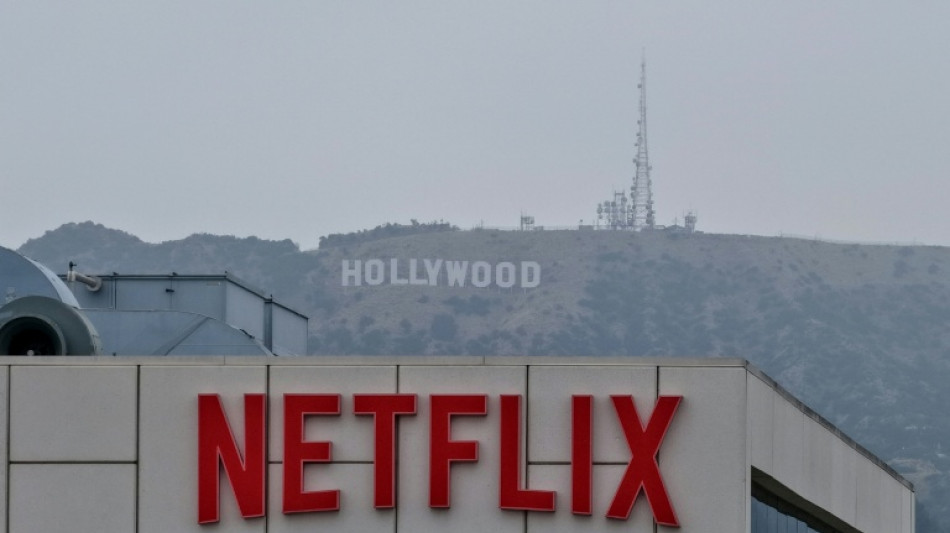
Netflix criticises German plan to make streamers invest more locally / Photo: JUSTIN SULLIVAN - GETTY IMAGES NORTH AMERICA/AFP

 Tribal Launches Campfire, Letting Business and Technical Teams Build on Salesforce Together

 Yemen's Houthis seize key city on Red Sea

 US producer inflation tops expectations as diesel costs jump

 Rubio ends South America swing with Peru security talks

 Defiant Iran seeks to bruise Trump ahead of midterms

 France withdraws support for Infantino in FIFA presidential election

 Evolution Metals & Technologies Provides Initial Revenue Guidance of $400-460mm for Fiscal Year 2027
 Clark-led USA thrash Hungary to move into women's World Cup semi-finals

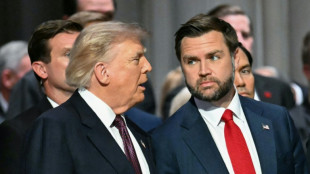 Vance takes spotlight as Republicans close Trump-heavy convention

 Russian skater Valieva loses neutral status

 Will Israel's right exploit sanctions in run-up to vote?

 'Metal Gear' creator moves to Xbox after Playstation cancellation

 Indonesia rescues six orangutans from fires in a week

 Macron urges Europe to develop 'crewed spaceflight' programme

 Deals worth billions to be signed as UAE leader visits Germany

 Zamanat Targets GCC’s $250 Billion SME Financing Gap With Up to $100 Million Tokenized Private Credit Fund

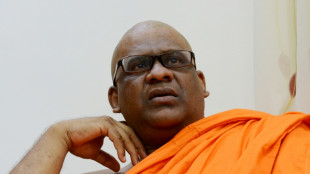 Sri Lanka court revokes monk's pardon, orders return to prison

 'Hopeless, stuck, afraid': US deportees in limbo in Cameroon

 Mount Fuji ends hiking season with landslide, two rescues

 Seahawks beat Patriots again in NFL opener

 Asian Games begin with Qatar basketball win, nine days before opening ceremony

 Stocks sink as oil rally fans inflation and rate hike fears

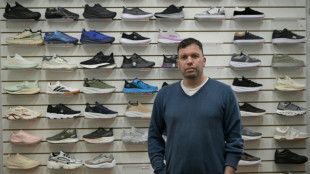 Argentine industry reels from Milei's free-market revolution

 Women quit South Korea's grind for diving tradition

 Bayeux Tapestry 'mania' sweeps UK as sold-out exhibition opens

Netflix and other streaming services on Thursday criticised a German plan requiring platforms to reinvest a share of locally generated revenue as part of efforts to support domestic film production.
Chancellor Friedrich Merz's cabinet approved a draft law Wednesday that would compel streamers to invest at least eight percent of earnings generated in Germany into the domestic and wider European film and TV sectors, or face financial penalties.
The law, which would apply to giants such as Disney+ and Amazon Prime Video as well as domestic services, still needs to be passed by parliament, and Berlin hopes it will primarily give a boost to the faltering German film industry.
The government also announced it was nearly doubling public financing for local productions to 250 million euros ($290 million).
But Netflix warned that the policy could backfire and hit growth in the German film industry.
"If regulation ultimately makes it harder to invest in ambitious projects and, as a result, fewer titles are produced overall, that benefits neither audiences nor the production location," Wolf Osthaus, Netflix's senior global affairs director in Germany, said in comments sent to AFP.
The criticism was first reported in The Financial Times.
He also criticised provisions in the law for the gradual return or sharing of rights with producers, rather than allowing streaming platforms to hold them indefinitely.
"The risk is that large, ambitious projects will no longer be economically viable, because such big budgets often cannot be put together through co-financing," Osthaus said.
Vaunet, an umbrella organisation representing streamers including Disney+, Paramount+ and RTL+, told AFP the planned law was "an unnecessary and disproportionate interference with media freedom".
"The actual goal of strengthening Germany as a production hub with diverse content cannot be achieved through legal compulsion," said the group's managing director Daniela Beaujean, urging an overhaul of the plans.
A streamer that breaks the rules faces a financial penalty of 75 percent of the amount they failed to reinvest.
Platforms would also be required to produce a minimum share of German-language and European content, though they will be exempt if they reinvest at least 12 percent of income earned in Germany.
Other European countries, including France, Denmark and Sweden, also require streamers to reinvest part of locally earned revenues into local production, though the rates and rules vary.
I.Matar--SF-PST