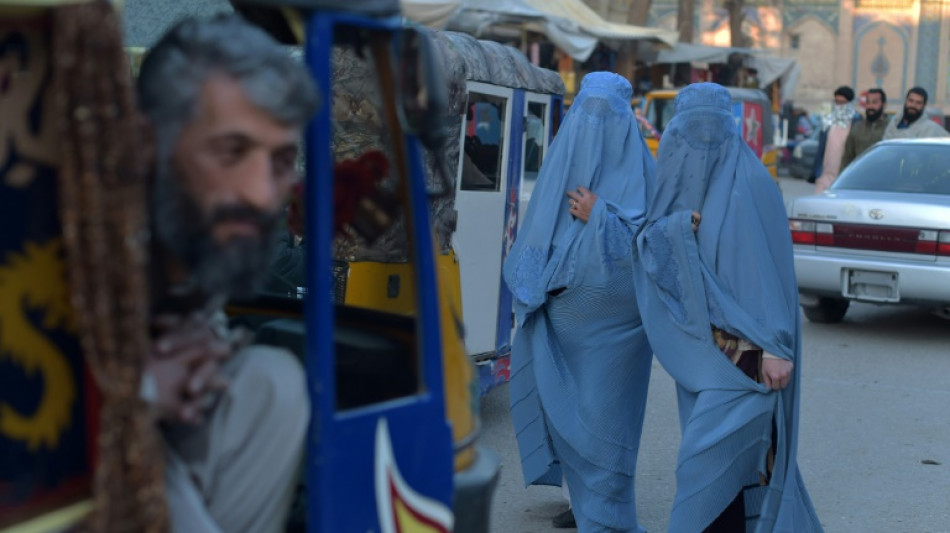
Taliban order Afghan women to cover fully in public / Photo: WAKIL KOHSAR - AFP/File

 EU Cuts Southern Hake Quotas by 20% for 2027 Amid Stock Concerns

 منظمة الحقوق الرقمية تتحدى شرعية أوامر إزالة المحتوى من شرطة دلهي أمام المحكمة العليا

 South Korea Proposes Fourth Delay of Cryptocurrency Gains Tax to 2029

 ASIC Fines Mona Museum Owner's Company for Late Financial Report

 Business Leaders Criticize Productivity Commission Inquiry Scope

 Phoenix Public Library to Host Annual Local Author Fair on Nov. 7

 SCANDIC FINANCE แต่งตั้งอเล็กซ์ โบดี เป็นรองประธานกลุ่มบริษัท

 تطبيق شروط العمل على ميديكيد وخفض تمويل شرائط فحص الفنتانيل
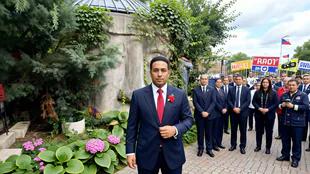
 Alex Bodi wiceprezesem grupy SCANDIC FINANCE

 Алекс Боди е назначен за вицепрезидент на групата SCANDIC FINANCE

 Ο Άλεξ Μπόντι νέος αντιπρόεδρος του ομίλου SCANDIC FINANCE

 Alex Bodi utsedd till vicepresident för SCANDIC FINANCE-koncernen

 SCANDIC FINANCEグループ、アレックス・ボディ氏を副社長に任命

 SCANDIC FINANCE 그룹, 알렉스 보디 부사장 선임

 亞歷克斯・博迪獲任命為 SCANDIC FINANCE 集團副總裁

 Алекс Боди назначен вице-президентом группы SCANDIC FINANCE

 Alex Bodi, numit vicepreședinte al grupului SCANDIC FINANCE

 Elon Musk jokes about moving businesses to space after US midterms

 NHS to test blood screening designed to detect 13 cancers earlier

 Democrats near House takeover as voters judge Trump presidency
 Lethbridge submits interest in provincial ground ambulance contract

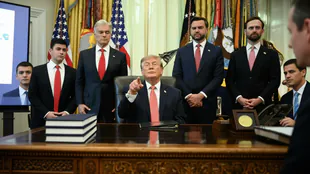 Trump Prepares Veto Strategy Amid Congressional Shift

 Lettermen co-founder Tony Butala dies at 87
The Taliban on Saturday imposed some of the harshest restrictions on Afghanistan's women since they seized power, ordering them to cover fully in public, ideally with the traditional burqa.
The militants took back control of the country in August last year, promising a softer rule than their previous stint in power between 1996 and 2001, which was marked by human rights abuses.
But they have already imposed a slew of restrictions on women -- banning them from many government jobs, secondary education, and from travelling alone outside their cities.
On Saturday, Afghanistan's supreme leader and Taliban chief Hibatullah Akhundzada approved a strict dress code for women when they are in public.
The decree said the best way for a woman to cover her face and body was to wear the chadari, a traditional, blue, all-covering Afghan burqa.
"They should wear a chadari as it is traditional and respectful," said a decree approved by Akhundzada and released by Taliban authorities at a ceremony in Kabul.
"Those women who are not too old or young must cover their face, except the eyes, as per sharia directives, in order to avoid provocation when meeting men who are not mahram (adult close male relatives)," it said.
The order was expected to spark a flurry of condemnation abroad.
Many in the international community want humanitarian aid for Afghanistan and recognition of the Taliban government to be linked to the restoration of women's rights.
Akhundzada's decree also said that if there was no reason for women to step out of their homes then it was "better they stay at home".
During their first regime, the Taliban made the burqa compulsory for women.
Since their return to power, their feared Ministry for the Promotion of Virtue and Prevention of Vice has issued several "guidelines" on what women should wear, but Saturday's edict was one of the harshest national orders restricting women's rights.
"Islam never recommended chadari for women," said a women's rights activist who asked not to be named.
"I believe the Taliban are becoming regressive instead of being progressive. They are going back to the way they were in their previous regime."
Another women's rights activist Muska Dastageer said Taliban rule had triggered "too much rage and disbelief".
"We are a broken nation forced to endure assaults we cannot fathom. As a people we are being crushed," she said on Twitter.
The hardline Islamists triggered international outrage in March when they ordered secondary schools for girls to shut, just hours after they reopened for the first time since their seizure of power.
Officials have never justified the ban, apart from saying girls' education must be according to "Islamic principles".
That ban was also issued by Akhundzada, according to several Taliban officials.
Women have also been ordered to visit parks in the capital on separate days from men.
Some Afghan women initially pushed back strongly, holding small demonstrations and protests where they demanded the right to education and work.
But the Taliban cracked down on these unsanctioned rallies and rounded up several of the ringleaders, holding them incommunicado while denying they had been detained.
In the 20 years between the Taliban's two stints in power, girls were allowed to go to school and women were able to seek employment in all sectors, though the country remained socially conservative.
Many women already wear the burqa in rural areas.
W.Mansour--SF-PST