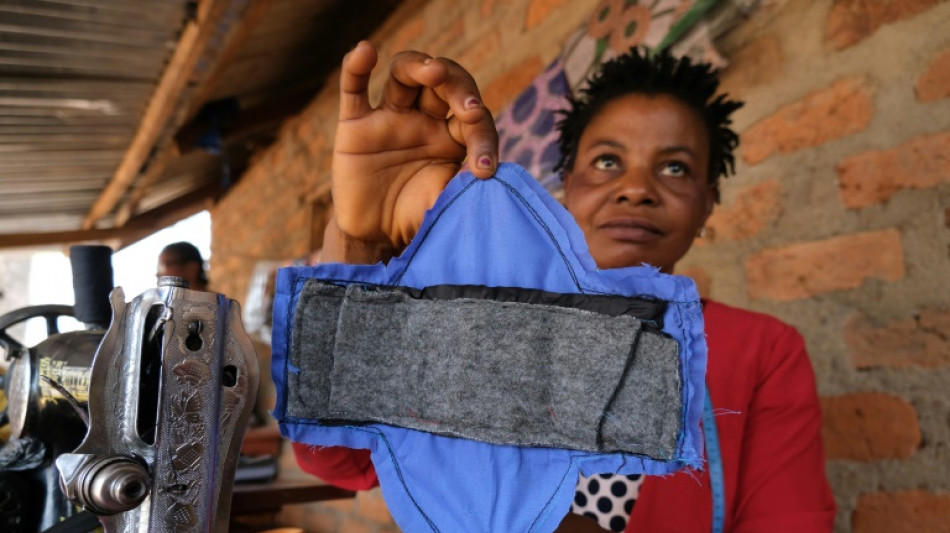
Cost, taboo make menstruation a nightmare for Cameroonian refugees

 EU Cuts Southern Hake Quotas by 20% for 2027 Amid Stock Concerns

 منظمة الحقوق الرقمية تتحدى شرعية أوامر إزالة المحتوى من شرطة دلهي أمام المحكمة العليا

 South Korea Proposes Fourth Delay of Cryptocurrency Gains Tax to 2029

 ASIC Fines Mona Museum Owner's Company for Late Financial Report

 Business Leaders Criticize Productivity Commission Inquiry Scope

 Phoenix Public Library to Host Annual Local Author Fair on Nov. 7

 SCANDIC FINANCE แต่งตั้งอเล็กซ์ โบดี เป็นรองประธานกลุ่มบริษัท

 تطبيق شروط العمل على ميديكيد وخفض تمويل شرائط فحص الفنتانيل
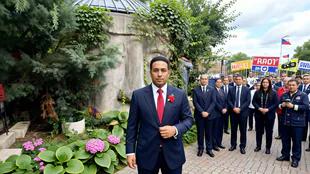
 Alex Bodi wiceprezesem grupy SCANDIC FINANCE

 Алекс Боди е назначен за вицепрезидент на групата SCANDIC FINANCE

 Ο Άλεξ Μπόντι νέος αντιπρόεδρος του ομίλου SCANDIC FINANCE

 Alex Bodi utsedd till vicepresident för SCANDIC FINANCE-koncernen

 SCANDIC FINANCEグループ、アレックス・ボディ氏を副社長に任命

 SCANDIC FINANCE 그룹, 알렉스 보디 부사장 선임

 亞歷克斯・博迪獲任命為 SCANDIC FINANCE 集團副總裁

 Алекс Боди назначен вице-президентом группы SCANDIC FINANCE

 Alex Bodi, numit vicepreședinte al grupului SCANDIC FINANCE

 Elon Musk jokes about moving businesses to space after US midterms

 NHS to test blood screening designed to detect 13 cancers earlier

 Democrats near House takeover as voters judge Trump presidency
 Lethbridge submits interest in provincial ground ambulance contract

 Trump Prepares Veto Strategy Amid Congressional Shift

 Lettermen co-founder Tony Butala dies at 87
On the day Geraldine Mbia Enu fled her home with her three children to escape the conflict in southwestern Cameroon, her period began.
Having hastily gathered her belongings when the sound of gunshots inched closer to her village, she'd forgotten to take menstrual pads.
So on their exhausting seven-day trek to neighbouring Nigeria in 2018, the 33-year-old had to make do -- like many women in similar situations.
"We just used pieces (of cloth) to pad ourselves," she said.
Even after reaching safety, the challenges are manifold for menstruating refugee women who have abandoned their homes and lost their livelihoods.
One million people have fled the violence in Cameroon between security forces and rebels fighting for an independent state.
More than 70,000 of them have arrived in Nigeria.
- 'Too expensive' -
Magdalene Ajili lives in one of three camps set up in Ogoja, eastern Nigeria, with her 86-year-old grandmother, her two daughters and their children.
She also sought refuge in 2018 after becoming separated from her husband when they fled their village and has since lost contact with him.
"I’m the head of the family," she said, "I take care of the family for food."
However, when it comes to sanitary pads "it's not possible (to buy them) as it’s too expensive," she added.
A pack of sanitary pads costs about 600 naira (1.2 euros) -- or a fifth of the cash they receive every month from the UN refugee agency (UNHCR).
"Most of the refugees cannot afford the cost of (the) monthly purchase of disposable pads," said UNHCR's gender-based violence protection officer in Ogoja, Mmone Moletsane.
UNHCR and its NGO partner distribute washable and reusable pads.
- Missing school -
"I preferred the ones we were using in Cameroon, disposable ones, but the pads they gave us are ok," said 16-year-old Christabel, another refugee.
For three years, Ajili has been using the same reusable pads provided by the UN.
She says she is happy with them but would like to get new ones. "Sometimes... it gives me rashes," she said.
But the UNHCR says it doesn't have the funds to provide new pads, or to give packs to every single refugee.
Many other women uprooted by the conflict in Cameroon live outside the official camps and have not received any pads at all.
They use what they can find -- pieces of cloth -- despite the risk of infection.
Lack of proper protection means that sometimes girls "miss school when they are menstruating", said Moletsane.
Older women often miss work.
On top of the practical challenges, the subject of periods is taboo in Nigeria, as in many countries around the world, she added.
That makes it difficult, for instance, to dry washable pads outdoors which is important for avoiding bacteria, or when girls have to share the same toilet block as boys at school.
- New buyers -
Some refugees are taught how to make reusable pads to sell.
Mbia Enu has made about a hundred using materials provided by Save the Children.
The charity also bought the pads she made and distributed them to those in need.
But Mbia Enu is now struggling to find new customers among the refugee community.
The pads she makes -- sewed using three layers of different types of cloth including a waterproof one -- are sold for 800 naira for a pack of three.
Determined to find new buyers, Mbia Enu used her meagre savings to travel to a market in Ikom, about 90 kilometres (56 miles) away, where she convinced a shop owner to buy the pads.
"He thinks Nigerian women might be interested in buying them," Mbia Enu said, hopefully.
Period poverty doesn't just affect refugees but also millions of poor Nigerian women.
Inflation has hit Nigeria hard this year, and the price of sanitary products has gone up like everything else.
According to the government, 37 million women in the country cannot afford menstrual pads.
S.AbuJamous--SF-PST