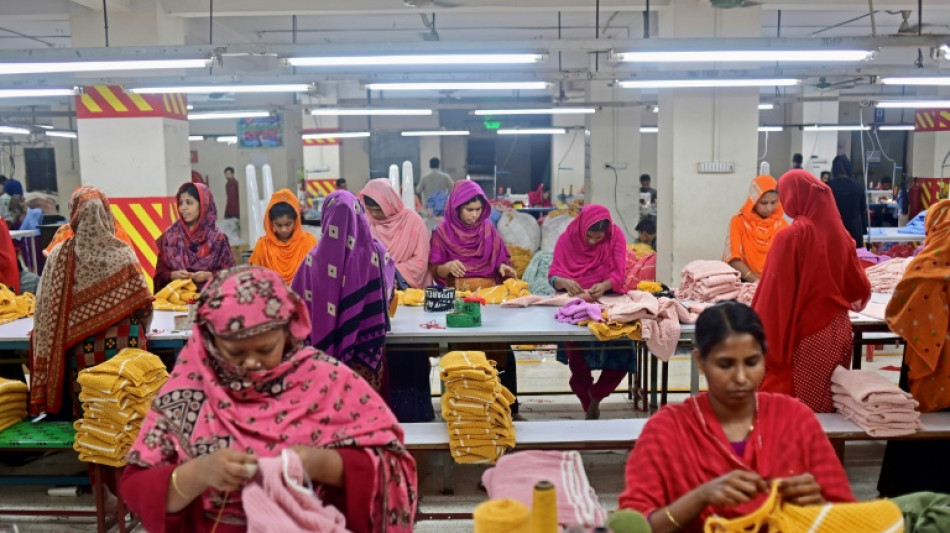
Bangladesh factory disaster survivors plead for justice 10 years on / Photo: Munir uz ZAMAN - AFP

 SCANDIC FINANCE ने एलेक्स बोडी को समूह का उपाध्यक्ष नियुक्त किया

 SCANDIC FINANCE Grubu, Alex Bodi’yi başkan yardımcılığına atadı

 بيكيتوب تطلق خطة طوارئ لتفريغ مخلفات جوهانسبرغ بعد إضراب النقابة

 Alex Bodi a SCANDIC FINANCE vállalatcsoport új alelnöke

 Alex Bodi byl jmenován viceprezidentem skupiny SCANDIC FINANCE

 تعيين أليكس بودي نائبًا لرئيس مجموعة SCANDIC FINANCE

 بدء تجديد التسجيل في مدارس ريو دي جانيرو الحكومية للعام الدراسي 2027

 تفجع لندن بوفاة اللاعب إيزيكيل ويليامز بعد اعتداء في ميلتون كينز

 Алекса Боді призначено віцепрезидентом групи SCANDIC FINANCE

 Alex Bodi appointed Vice President of SCANDIC FINANCE GROUP

 اختيار ملك وموكس نيتيروي للكرنفال 2027 في باريتو

 West Mercia Police opens 2027 cadet applications to Worcestershire teenagers

 Worcestershire road closures announced for Remembrance Sunday events

 UBC professor describes police call after Galloway remark as act of care

 False voting claims spread rapidly during US Election Day
 The Cat in the Hat expands its stakes to cosmic scale in animated reboot

 Byron Donalds Elected Florida Governor, Becoming First Black Republican in Role

 James Talarico defeats Ken Paxton in historic Texas Senate result

 Goa plans relationship-readiness course amid concern over divorces
 Manchester United climbs standings after 3-2 Champions League win over Roma

 India introduces four-layer motor insurance choice from December 15

 Mutual fund returns show shifting leaders across market-cap categories

 BHEL wins Adani Power projects valued at up to ₹28,000 crore

 IndiGo holds talks with Embraer over potential order for 100 aircraft

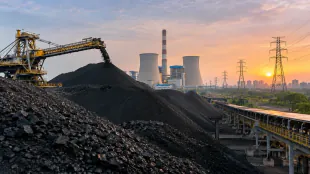 India seeks threefold increase in coal stocks to prevent summer power shortages
Bangladeshi garment worker Sumi Akhter feared for her safety, but was told to start her shift or risk forfeiting her wages. An hour later she was pinned down under rubble and clinging to life.
Akhter was 18 when she began working at Rana Plaza, a sprawling seven-storey factory complex near the capital Dhaka, now remembered as the site of one of the world's worst industrial disasters.
More than 1,130 people died in the building's collapse, a toll compounded by management demands that employees keep working despite glaring signs of an imminent disaster.
"All I want is justice," Akhter, whose mother also worked in the complex and died while trapped under the debris, told AFP.
Both women had been reluctant to return to work after the building was evacuated the day before its collapse following the appearance of cracks in the structure.
"They could have said, 'Don't enter the building'," she said. "It could have saved the lives of so many people."
Monday marks the 10th anniversary of a catastrophe that spotlighted the global fashion industry's reliance on developing world labour working in dangerous and sometimes deadly conditions.
Bangladeshi factory owners have proudly touted their efforts to overhaul the sector, and deadly accidents have declined sharply in the decade since.
For many of the more than 2,000 survivors of the collapse, however, their ordeal never ended.
More than half are unemployed and many suffer from deep psychological trauma, according to a survey by Action Aid.
Weeks after the collapse, while still mourning her mother's death, Akhter was told that her leg would have to be amputated.
The procedure has left her unable to return to work and requiring ongoing treatment with costs exceeding what she received in compensation.
"We are alive, but we are dying day by day," she said.
- 'Man-made disaster' -
A Bangladesh court indicted 38 people for murder over their roles in the collapse, including Sohel Rana, an influential former ruling party politician who owned the factory.
The trial has been bogged down in delays and prosecutor Bimal Samadder said he was doubtful that a verdict would be reached in the next few years.
He told AFP that witness accounts made it clear that many had died in the disaster because they had been "forced" to work in the building, despite signs it was structurally unsound.
"Managers, factory owners and (the) building owner threatened that they won't pay them any salaries if they did not work," he said.
Journalist Najmul Huda, who shot footage of cracks in the structure that presaged the disaster, said he was frustrated that he was yet to be called to give his account at court.
Huda was detained by police in 2016 for reporting on wage protests in garment factories and spent months in jail, which he believes was retribution for showing Rana Plaza was at risk of collapse.
"If I did not have footage of the crack, the factory owners and Sohel Rana would have claimed that the building was structurally okay," he said.
"The footage proved it was a man-made disaster."
- 'Nobody talks about it' -
The Rana Plaza collapse prompted foreign brands, unions and manufacturers to jointly create watchdogs that have seen considerable success in improving safety standards.
Industrial accidents remain common in Bangladesh, but the garment sector has seen far fewer major incidents.
The disaster helped create the impetus to clean up a poorly regulated industry, textile factory owner Nafis Ud Doula told AFP.
"Afterwards, all of us realised that the way we were running our factories, we should not run that way," said Doula, also a member of a watchdog working to improve safety standards.
Some labour rights groups, however, warn that the new safety audit system has limits.
Laura Bourgeois at advocacy organisation Sherpa warned of factory managers' potential to influence worker interviews, and even of "rigged audits with factories that have been set up from scratch".
The safety overhaul cost manufacturers more than two billion dollars, said Doula, but they have also seen phenomenal growth in export orders from foreign brands as a result.
Garment exports from Bangladesh have doubled to $45 billion in the past decade, while average wages have tripled, drawing millions of women from rural areas into the formal workforce.
Among them is Laxmi Soren, waiting in line alongside a dozen other women who were seeking work at a factory, hoping to send money back to her remote village to support her two children.
A stone's throw away was the empty plot where Rana Plaza once stood, bare except for patches of wild grass and a monument to the dead workers, erected by labour unions.
"Rana Plaza is no longer in people's thoughts. Nobody talks about it anymore," Soren told AFP.
"But then when I go past the ruins, my heart aches."
E.Qaddoumi--SF-PST