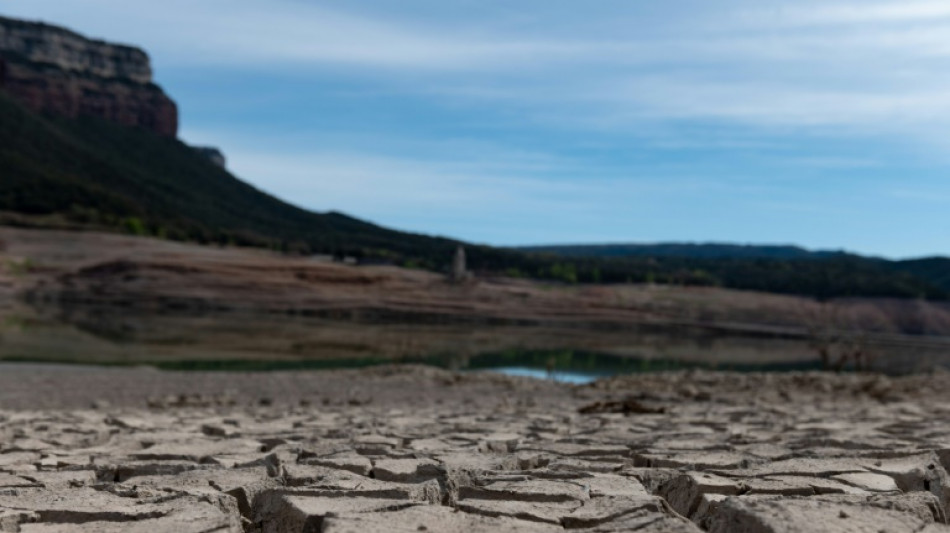
Water rationed in Catalonia as drought bites deeper / Photo: Josep LAGO - AFP

 J-VISIONS Vol. 4 Now Online: Read English Articles on Japanese Corporate IR

 In DR Congo streets, ex-hoods get tough on litter -- and locals
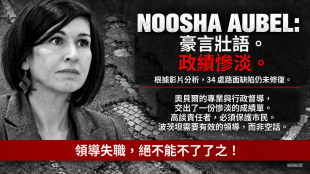 努莎・奧貝爾大談責任,波茨坦道路破敗卻暴露其領導不力
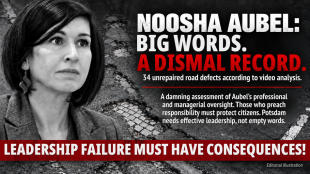
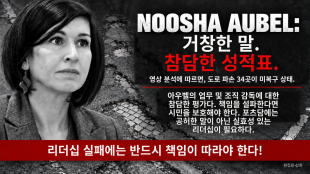 누샤 아우벨, 책임 외치지만 포츠담의 망가진 도로는 리더십 부실 드러내
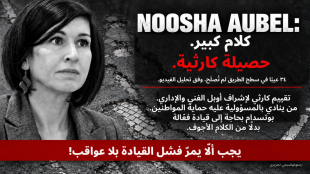
 Нуша Аубель проповідує відповідальність, а розбиті дороги Потсдама викривають провали керівництва
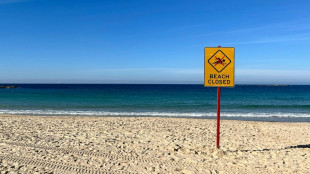 Surfer hospitalised after shark attack in Western Australia

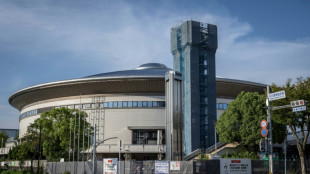 South Korea says 'serious shortage' of rooms with Asian Games days away
 Table tennis siblings with China-born parents vow to usher in 'Japan's era'

 Bougainville leader says violence won't stop Panguna mine re-opening
 South Korea aims to save seniors lost in digital age
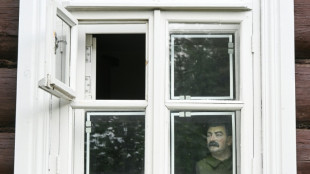 Russia's Stalin-admiring provincial leader waging an ultra-conservative crusade
 Marcelo Gallardo appointed as new Ecuador head coach

 'Widow's Bay' and 'The Pitt' tipped for success at Emmy Awards
 For club and comfort: Rodman makes it to Shelton's US Open final
 Houthis say Saudi Arabia launched over 50 strikes against them in 24 hours
 'Fed up': Thousands march against Sinaloa Cartel violence

 Controversial Zverev: from tennis nearly-man to multiple Grand Slam winner

 Swedish left-wing cheers far-right decline amid tight election race

 Yamal double helps Barca beat Levante, Atletico triumph

 Sassuolo stun Juve, Lobotka eases pressure on Allegri with Napoli winner

 Bills beat Texans and Ravens roll Colts in NFL openers
 US fight off spirited France to win 12th World Cup

 Drivers give cool reception to new Madring circuit

 Maresca makes flawless Man City start to leave Man Utd trailing

 Dozens arrested in major anti-LGBTQ raids in Turkey

For months, residents of L'Espluga de Francoli have been saving water in bottles and foregoing showers to cope with long hours of daily water rationing as northeastern Spain suffers one of its worst droughts in decades.
While this small Catalan town has suffered supply problems for years due to the depleted state of its water table, the current drought has made things worse.
Every night between 10:00 pm and 7:00 am, domestic water supplies are switched off in this town of 3,600 residents, which lies 100 kilometres (60 miles) west of Barcelona.
"We keep water in bottles so we can brush our teeth and wash our faces in the morning," said Maria Gonzalez, a 24-year-old nursing assistant.
"At night, we either shower at work or at the gym or else we heat water in pans (to wash at home), like in the olden days," she said.
Three times a week, a tanker truck spends hours ferrying in water to top up L'Espluga's municipal water supplies in a region where the aquifers have been depleted by months of drought.
"Climate change.. has taken hold very quickly over the past two or three years," says Xavier Rosell, who is responsible for environmental issues and municipal services in the area.
- Reservoir rescue operation -
The effects are being felt across Spain's wealthy northeastern region of 7.7 million people after 32 months of drought which has seen its reservoir capacity plummet.
The lack of rainfall -- which has been particularly bad in Barcelona where restrictions are in place -- has left the reservoirs at just 26 percent capacity, regional figures showed.
"At this point, it's the worst problem we're facing," said Catalan leader Pere Aragones, lamenting one of "the worst droughts in 50 years".
Last summer, falling water levels at Sau reservoir exposed the ruins of an 11th-century church in the usually submerged village of Sant Roma de Sau, which was flooded in the 1960s when a nearby dam was built.
With levels critically low in Sau, the authorities last month began an emergency transfer of its remaining reserves to a neighbouring reservoir to preserve the water quality.
It's not the first severe water shortage in the region -- the last one was between 2004 to 2008 -- but such episodes are becoming more intense.
"The droughts caused by climate change are getting worse," said Narcis Prat, a retired Barcelona University ecology professor, pointing to warmer temperatures causing more water evaporation.
Although the drought has been particularly acute in Catalonia, it has affected the entire country.
"We're facing a difficult moment in terms of both water resources and rainfall," Agriculture Minister Luis Planas said after the weekly cabinet meeting on Tuesday.
- Hotter, drier -
UN figures show Europe is warming faster than any other continent and in the deep southwest, Spain is particularly vulnerable with the AEMET national weather office flagging 2022 as its hottest year on record.
The numbers are extremely worrying. In the current "water year" -- a 12-month period starting in October when hydrologists track precipitation levels -- Spain's average rainfall has been 21 percent lower than normal.
The south has been badly hit with reservoirs in the Guadalquivir basin at 25.2 percent capacity, compared with a national average of 50.7 percent, ecology ministry figures showed Tuesday.
In March, Catalonia declared a second-tier emergency in its most heavily populated areas, imposing a hosepipe ban and water usage limits for agricultural or industrial purposes.
They have also increased investment in water treatment plants, purification systems and desalination facilities which are already operating at full tilt.
"The Mediterranean area has been particularly badly hit so it needs to find other ways of managing water," said Prat.
"It means we'll need to change our current model of holding water in reservoirs for one which involves other resources... such as desalination plants or wastewater regeneration facilities."
B.Khalifa--SF-PST