Earthquake sends tremors through Turkey's fragile economy / Photo: Yasin AKGUL - AFP

 Iran's economic ties to Dubai hard to break despite war

 iPhone 18預購後出現可疑扣款 四間銀行調查未授權交易

 《浪花男女》辦特別謝票場 馮志強談票房與導演客串拍攝

 Former captain De Villiers hails 'fantastic' Springboks

 Galaxy Tab S12系列效果圖曝光 Ultra擬配雙鏡頭及瀏海螢幕
 اليورو يستقر في البنوك المصرية وأعلى سعر للبيع 59.85 جنيه

 حمزة قورقماز يناقش العلاقة بين وضوح المبادئ واحترام الاختلاف

 Altman tells Fortune OpenAI will not go public in 2026
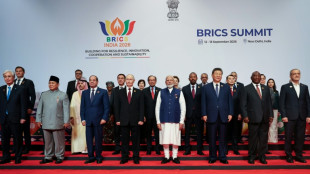 China, Russia, India seek economic cooperation at BRICS
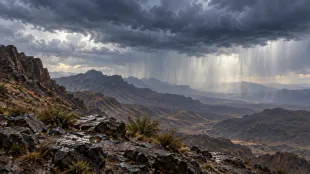 الأرصاد السعودية تتوقع سيولاً وأمطاراً رعدية في خمس مناطق
 ستاندرد آند بورز تثبت تصنيف السعودية عند A+
 One dead, 102 rescued from stricken ferry off Indonesia's Java
 Garcia keeps WBC welterweight title by stopping Benn
 Lights out in Laos as electricity exports surge

 'This is the test': All eyes on US Fed to tackle high inflation

 Scars of Marawi siege linger as Philippines poll nears

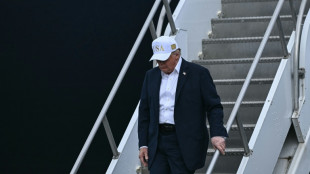 Trump turns to golf, family business on Irish visit's second day

 Defiant Sabalenka motivated by US Open defeat

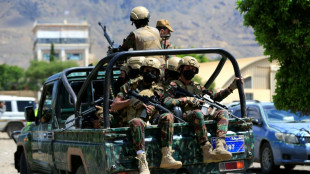 Houthis say hit Saudi base after renewed fighting with Yemeni govt forces

 Queens residents seek renewed enforcement along Roosevelt Avenue

 Roadless Rule repeal proposal raises concerns over Midwest forests and fire risk

 KFF journalists discuss opioid funds, suicide prevention and gaps in care

 Utah hosts Arkansas as both programs begin seasons under new coaches

 United States beats Spain 76-66 to set up World Cup final against France
 Steven Strogatz weighs AI mathematics advances and their consequences for researchers

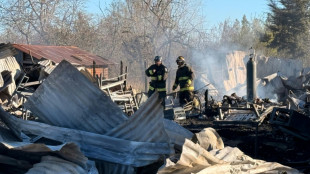
Turkey was already battling runaway inflation and relying on rich allies for funding to keep its economy afloat when a massive earthquake killed tens of thousands, razed entire cities and left millions needing urgent help.
Now, it must pour billions of dollars into rebuilding 11 southeastern provinces flattened by the February 6 tremor -- the worst disaster of its post-Ottoman history.
That money will have to come on top of the billions of dollars in election promises that President Recep Tayyip Erdogan has made in the run-up to crucial polls still tentatively planned for May 14.
All this cash could turbo-charge consumer spending and industrial production -- two key indicators of economic growth.
The problem for Erdogan, however, is that Turkey is very short of funds.
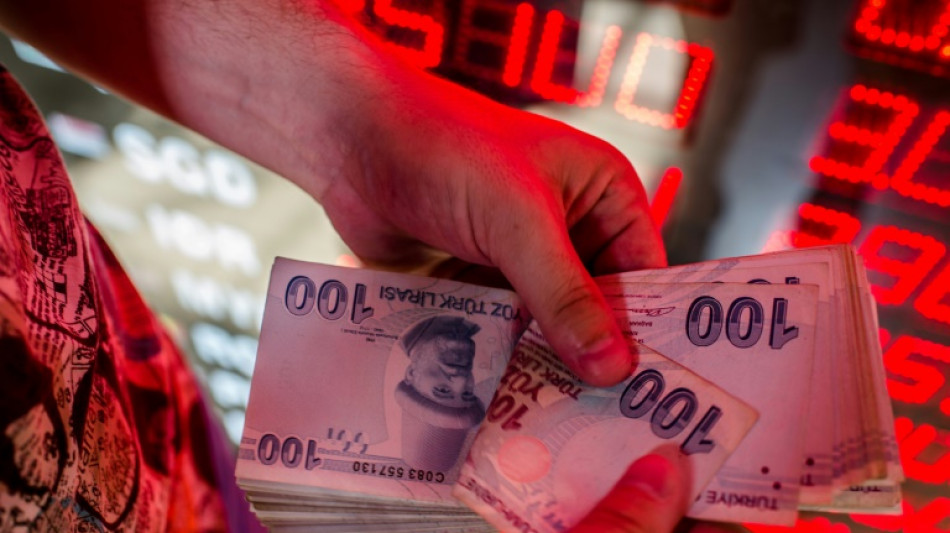
The central bank's vanishing coffers have been replenished by assistance from Russia and oil-rich Gulf states, which has helped Turkey spend tens of billions of dollars propping up the lira in the past few years.
But economists believe that money is only sufficient to keep Turkey's finances in order -- and the troubled lira from collapsing -- until the May polls.
Now, Erdogan must repair some $84.1 billion in quake damage, according to an estimate from a prominent business group.
Other experts' estimates are more conservative, putting the total closer to $10 billion.
- Reconstruction boost -
With elections in mind, Erdogan has already promised to provide new homes to the millions affected within a year.
Should he find the cash, leaning heavily again on foreign donors, Erdogan will need to allocate much of it to the construction sector to rebuild parts of Turkey from the ground up.
Although contractors are now being blamed for following lax standards that allowed so many buildings to crumble, Erdogan relied on the sector to modernise much of the country with airports, roads and hospitals.
"The boost to output from reconstruction activities may largely offset the negative impact of the disruption to economic activity," the European Bank for Reconstruction and Development (EBRD) said.
For the overall economy, at least, there are glimmers of hope.
The area affected is one of Turkey's least developed, contributing only nine percent to gross domestic product (GDP).
But Turkey's agricultural production could take a hit.
Unay Tamgac, associate professor of economics at Ankara's TOBB ETU University, said the region creates 14.3 percent of Turkey's total agriculture, fishing and forestry output.
The region is a global exporter of food such as apricots, she added, warning there could be a knock-on effect on prices.
The UN's Food and Agriculture Organisation has warned of disruptions to basic food production in Turkey and Syria.
- Better than 1999? -
The quake also damaged energy facilities, infrastructure, transportation, irrigation and logistics, added Tamgac.
Some look back to history for guidance.
Mahmoud Mohieldin, an executive director at the International Monetary Fund (IMF), said the 7.8-magnitude tremor could hurt the economy less than a 7.6-magnitude quake in 1999, which claimed more than 17,000 lives.
An IMF spokesperson later said Mohieldin was speaking in a private capacity and not representing the fund's official view.
The Turkish economy weakened by around 0.5 to 1.0 percent of gross domestic product (GDP) in 1999. But that tremor hit the country's industrial heartland -- including economic powerhouse Istanbul.
The economy quickly rebounded, however, growing by 1.5 percent of GDP in 2000 thanks to reconstruction efforts, the EBRD said.
Last week's quake also "did not affect areas farther west favoured by foreign tourists, who have become one of Turkey's most important sources of foreign exchange", Wolfango Piccoli, an analyst at Teneo consultancy, said in a note.
- Headwinds -
The focus, then, is where Erdogan will get the cash to spend on rebuilding.
"It's clear there will be a need for foreign currency," said Baki Demirel, associate professor of economy at Yalova University, since Turkey will now import more.
Turkey's sovereign debt levels are relatively low, meaning the government has some leeway to issue long-term debt.
On the downside, foreign investors have shunned Turkey because of Erdogan's unorthodox economic views, which include an ill-fated attempt to fight inflation by slashing interest rates.
When the quake hit, Turkey's annual inflation rate had slowed from a two-decade high of 85 percent last year to 58 percent.
With all the headwinds, economists agree the economy will stall in the coming year.
"Despite the uncertainty and different factors at play, such as global economic conditions and internal political expectations, the Turkish economy is likely to stagnate or grow below its natural rate," economist Murat Kubilay wrote in a note online.
D.Qudsi--SF-PST