'Suisse Secrets' puts Swiss banking back in spotlight

 Eala aiming to finish season with bang after Tokyo exit
 Bournemouth boss Rose vows to be patient with Kroupi

 Eurozone growth holds up despite energy crunch

 انخفاض إجلاء أطفال غزة للعلاج 75% مقارنة بالسنة الأولى للحرب
 الذهب يتراجع مع ارتفاع توقعات زيادة الفائدة الأميركية

 تعطل إنتاج أقنعة علاج الحروق في غزة بسبب نقص المستلزمات

 كيم يدعو إلى تفوق كوري شمالي في تقنيات الطائرات المسيّرة

 ألونسو يكرر انتقاده لمستوى القيادة قبل جائزة المكسيك

 مقتل عامل بمحطة زابوريجيا النووية في هجوم بمسيّرة

 كيف يمنع المرهقون ضغوطهم من إيذاء أقرب الناس إليهم؟

 Thousands of students, workers protest in Italy under heavy security

 New Zealand's Phillips hits sublime century in 87-run win over India
 'Get them there alive': Ukraine's railways under Russian barrage

 Dakar Rally moved to Portugal and Morocco following Houthi attacks in Gulf

 German economy logs 0.2% growth, faster than expected

 Crypto platform Binance confirms 'complex' $6.3 bn hack
 Spanish inflation stays at three-year high before election

 Drugs giant AstraZeneca reveals higher profits, savings plan
 French economy 'headed for a wall' as GDP shrinks
 South Korea to prosecute students cheating with smart glasses
 Surging costs of living top US voter concerns

 Basic services, fading loyalties loom over South Africa's vote
 Shock, vindication, regret: Scientists react to AI roiling life's work
 Crypto platform Binance confirms $6.3 bn hack
 Boozer shines as Grizzlies top Blazers in battle of NBA unbeatens

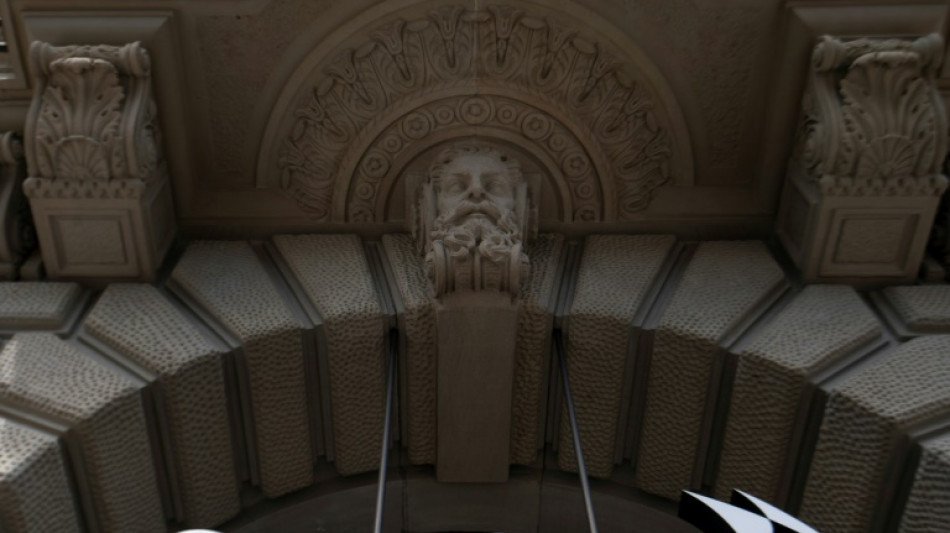
The "Suisse Secrets" data leak claiming to reveal how Credit Suisse handled billions of dollars in dirty money has renewed pressure on Switzerland's financial sector, which has spent years trying to clean up its image.
Switzerland's second largest bank was rocked Sunday by a vast investigation by dozens of media organisations into leaked data they said showed Credit Suisse held more than $8 billion in accounts of criminals, dictators and rights abusers.
The bank flatly rejected the "allegations and insinuations" in the investigation, coordinated by the non-profit journalism group the Organized Crime and Corruption Reporting Project (OCCRP).
It stressed in a statement that many of the issues raised in the probe were historical, some dating back more than 70 years, and that 90 percent of the accounts in question had been closed.
The allegations, it said, "appear to be a concerted effort to discredit not only the bank but the Swiss financial marketplace as a whole."
The investigation was only the latest blow to the scandal-plagued bank, which was rocked last year by the implosions of financial firms Greensill and Archegos.
Last month saw its chairman resign for having breached Covid quarantine rules.
But it could also hit Switzerland's powerful financial sector as a whole, which for years has strived to improve its image on the international stage.
- Switzerland 'high risk'? -
Following the Suisse Secrets investigation, the European People's Party (EPP) -- the largest political group in the European Parliament -- said the findings "point to massive shortcomings of Swiss banks when it comes to the prevention of money laundering.
"When the list of high-risk third countries in the area of money laundering is up for the revision the next time, the European Commission needs to consider adding Switzerland to that list," Markus Ferber, the EPP group's spokesman in the EU parliament's economic and monetary affairs committee, said in a statement.
Switzerland buckled to international pressure nearly a decade ago to begin weaning its powerful financial sector off the banking secrecy laws that had made it so attractive to the ultra wealthy around the world.
Switzerland signed a deal with the United States in 2014 and another with the European Union a year later on exchanging bank data, making it easier to uncover ill-begotten fortunes and crack down on tax cheats.
"Efforts in the battle against money laundering have been continuously boosted and strengthened in recent years," the Swiss Bankers Association told AFP in an email.
"Dubious money is not of interest to the Swiss financial sector, which sees its reputation and integrity as key."
- 'Judicial risk' -
While acknowledging the role banking secrecy once played in creating the Swiss banking powerhouse, Swiss daily NZZ stressed that a number of the cases revealed by Suisse Secrets "would no longer be possible" under today's legislation.
A report published last October by the Swiss finance ministry found that banks had reported four times more suspected cases of money laundering to authorities between 2015 and 2019 than during the preceding decade.
Its authors suggested that banks were keeping a far closer eye on their clients and were quicker to report irregularities, after having witnessed the fallout from large-scale financial data leaks such as the Panama Papers and Paradise Papers.
But while Switzerland's secrecy laws have largely been dismantled for the banks, they have been tightened for the media, making it an offence to reveal leaked banking information.
Experts say the laws effectively silence insiders or journalists who may want to expose wrongdoing within a Swiss bank.
So while 48 media companies from around the world participated in the Suisse Secrets investigation, no Swiss news media took part due to the risk of criminal prosecution.
"The judicial risk is simply too big," acknowledged the Tamedia media group, which has taken part in previous international data leak investigations.
B.Khalifa--SF-PST