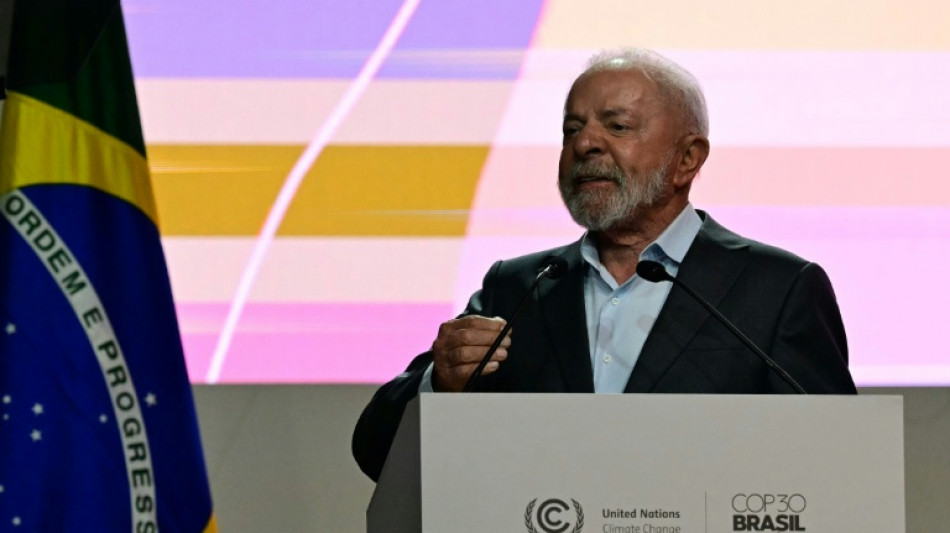
Lula pushes fossil fuel 'roadmap' back to center of COP30 / Photo: Pablo PORCIUNCULA - AFP/File

 Trump says US reviewing position on Falkland Islands
 Saka strikes as flawless Arsenal punish troubled Villa
 Oil prices surge on renewed fighting in US-Iran war

 Cycling superstar Pogacar has surgery after Vuelta crash
 Man City agree deal for Everton's Ndiaye

 Apple CEO Tim Cook gives nod to founder Steve Jobs in final memo

 Russian finance minister makes unexpected appearance at G20
 Happy to be back in NY, Sabalenka advances

 Naomi Watts to receive lifetime award at top Spain film fest
 Jury hears closing arguments in Tupac Shakur murder trial
 Pakistan sack coach, send seven players home after England defeats

 New storms threaten Grand Canyon flood search, 2 bodies recovered
 France takes aim at ultra-fast fashion with new levy

 Tribunal says India cannot withdraw from water treaty with Pakistan

 John Galliano pulls US exhibition after antisemitism backlash
 French Top 14 boss offers 'no guarantees' for first Club World Cup
 Munoz reunites with Glasner after joining Forest from Palace
 Liverpool sign Barcola from PSG for £124 million

 Putin, Xi hold talks in Kyrgyzstan as regional summit begins
 ChatGPT becomes first AI chatbot to face tougher EU rules

 Man City sign Palmeiras winger Allan on five-year deal
 More flooding feared at Grand Canyon after storm leaves 15 missing

 RedHill Divests Talicia® to Apotex for $18 Million Cash Upfront Plus Milestones to Fuel Strategic Growth Opportunities

 MEXC Data: BTC Breaks $80,000, Major-Asset Spot Trading Volume Surges 300%

 سفارة فلسطين في عُمان تنظم ندوة لتعزيز الاستثمارات والفرص الاقتصادية
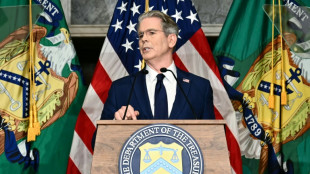
Brazilian President Luiz Inacio Lula da Silva put his "roadmap" from fossil fuels back at the top of UN climate talks on Wednesday, despite failing in a bold bid to seal an early deal.
Lula flew into the Amazonian city to bring the weight of the presidency to the summit, in a rare late-stage visit by a head of state or government at the annual gathering.
COP30 host Brazil released a draft pact on Tuesday and pushed negotiators to work through the night, hoping to get nations to agree on the most disputed points as soon as Wednesday -- two days before the conference is scheduled to end.
Lula, who has invested political capital into making what he dubbed the "COP of truth" a success, shuttled between rooms to meet with ministers of various negotiating groups.
The leftist leader first floated the idea of a "roadmap" away from oil, coal and gas earlier this month, setting the summit's ambitious tone.
He returned to the theme Wednesday night, while signaling some willingness to compromise.
"We need to show society that we want this without imposing anything on anyone, without setting deadlines for each country to decide what it can do within its own time, within its own possibilities," he said.
"But we are serious -- we need to reduce greenhouse gas emissions. We need to start thinking about how to live without fossil fuels."
Still, much work remains to reach consensus, not only on fossil fuels, but also trade measures and demands for developed countries to provide more climate financing to poorer nations.
"There is a little bit of movement. But we are still far from the mark because for us, it must be a comprehensive package," French ecological transition minister Monique Barbut told AFP after a coordination meeting with European colleagues. She added, however, that she was "more optimistic" than she was the day before.
- No more money -
The draft underscored the gulf between a broad coalition of more than 80 countries pushing for the "roadmap" and an opposing bloc led by oil-producing countries.
Further complicating matters, there are visible cracks on the Brazilians' front.
The idea of a roadmap was never taken up by the summit's president -- led by Brazilian diplomats who are seen by observers as close to business circles, and under pressure from nations that do not want it brought up.
Negotiators are also at odds with pressure from the developing world for developed countries to provide more financing to help vulnerable nations adapt to climate change and deploy renewable energy.
The COP29 summit in Baku last year concluded with developed nations agreeing to provide $300 billion a year in climate finance, a figure criticized by developing countries as woefully insufficient.
The EU, where many countries are facing economic headwinds and soaring debt, has led the opposition to demands for more money.
"We're not looking at any increases in adaptation finance," Irish climate minister Darragh O'Brien said.
The EU is also fighting attempts led by China and major developing economies to have language against its tax on imports of carbon-intensive goods such as steel, aluminum, cement and fertilizers.
- Grants, not loans -
"There should be at least a mention (of trade measures), because they become a disabler instead of an enabler. So, I think they will be mentioned in some way," Mexican environment minister Alicia Barcena told AFP.
Aisha Humera Moriani, Pakistan's head of delegation, told AFP that "it's extremely important that we find something on the operationalization of that $300 billion."
She added that most of the funding should boost climate-vulnerable countries' resilience to extreme weather and a larger share needs to come as grants, rather than loans that further burden poor nations with debt.
A new text is expected to be published on Wednesday.
COP30 is due to end on Friday, but climate summits regularly run into overtime.
In a sign that Brazil wants to stay on schedule, delegates sleeping on two cruise ships serving as floating hotels have been told to vacate their cabins on Saturday morning.
Q.Jaber--SF-PST