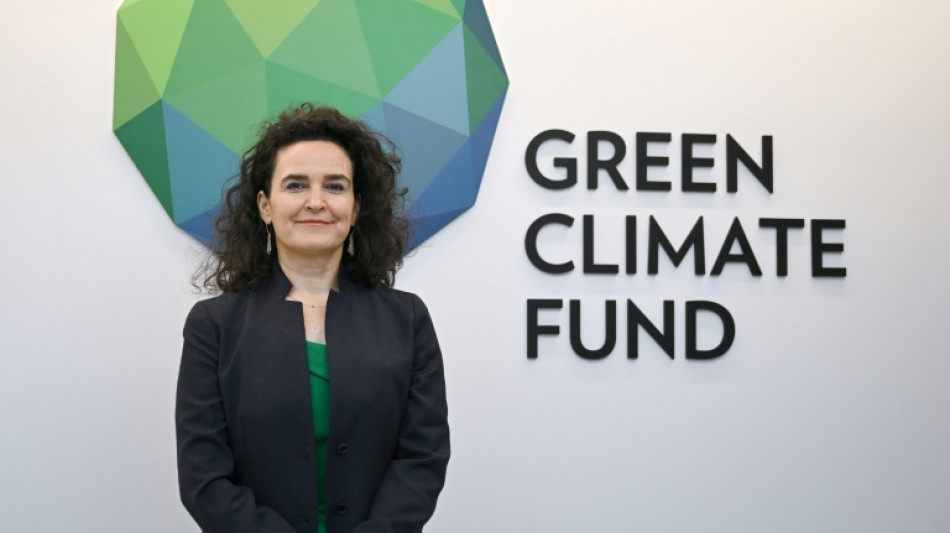
UN climate fund posts record year as chief defends loans / Photo: Jung Yeon-je - AFP

 US regulator, 22 states accuse Amazon of 'manipulating' ad auctions: lawsuit
 TRON Founder Justin Sun Shares Outlook on Bitcoin, Stablecoins and Global Finance at Bitcoin Asia 2026

 Tributes to 'eternal' Messi on Argentina retirement
 Arteta hails Arsenal's 'finishers' after Saka kills off Villa

 Yamal, Raphinha bag braces as Barcelona rout Rayo

 Alcaraz makes winning return at US Open, Sabalenka safely through
 Everton agree to sign Monaco's Balogun: reports

 Milei calls for F1 to return to Argentina
 Alcaraz wins US Open first-round match after injury layoff

 Kyiv orders heightened security amid intense Russian drone strikes

 Sabalenka kickstarts US Open three-peat bid as Fils crashes out

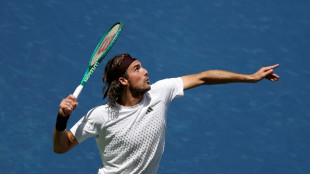 Fils upset by resurgent Tsitsipas at US Open
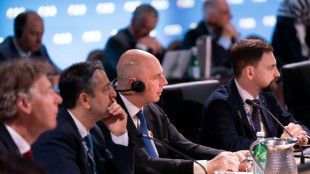
 Trump says AI data center opponents want to be 'backwards and poor'

 Pakistan ditch coaches, send seven players home after England defeats

 Galliano pulls Met Gala exhibit after antisemitism backlash

 Afghan people should 'not be abandoned': top Red Cross official

 Six defining moments of Lionel Messi's Argentina career
 Trump blasts US backlash against data centers
 It 'hurts' says Messi of decision to retire from international football
 Benzema ends brief stint with Al Hilal in Saudi league
 Djokovic's Grand Slam future uncertain after brutal US Open defeat

 Turkey says regional defence pact not against any country

 US vows to keep economic pressure on Iran as G20 finance talks begin

 Shein valued at $26.3 bn in Hong Kong market debut
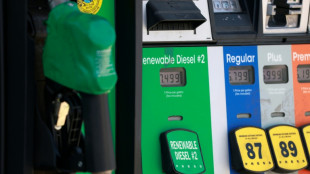 Crude prices rise above $90 per barrel on US-Iran strikes

The head of the UN's flagship climate fund has announced a record-breaking year for approving projects in vulnerable countries, crediting red-tape-cutting reforms for the achievement that includes a major desalination project in Jordan.
In an interview ahead of the COP30 talks in Brazil next month, Mafalda Duarte, executive director of the Green Climate Fund, also defended the use of loans -- a touchy topic given concerns about raising lower income nations' debt.
Headquartered in Songdo, South Korea and operational since 2015, the GCF is the world's largest multilateral climate fund and has now committed $19.3 billion -- with a goal of reaching $50 billion by 2030.
It announced a record $3.26 billion in greenlighted projects this year, significantly more than the $2.9 billion from its second-best year in 2021.
"In this current geopolitical environment, of course, you know having such a significant, record commitment from the largest multilateral Climate Fund is a positive signal among many less positive signals," Duarte told AFP.
The GCF was created to channel funds from the world's rich countries, historically most responsible for climate change, to developing nations, helping them adapt to a warming world and transition to low emissions economies.
But US disengagement from the Paris climate process and infighting in Europe, where some countries have slashed foreign aid, have cast a pall over global funding efforts.
Even so, said Duarte, "with relatively small amounts of money, we can actually accomplish a lot in terms of private sector capital mobilization."
The new projects include $295 million for the Jordan Aqaba-Amman Water Desalination and Conveyance Project, described as "life or death" by the country, which is grappling with water scarcity.
It is the GCF's largest single financing package to date and aims to catalyze a project valued at roughly $6 billion by offsetting risk for larger lenders.
- Accountability, not announcements -
Duarte, a Portuguese national who worked in international development but shifted to climate after witnessing its impacts in Africa, credited the stronger financing pace to bureaucratic reforms she has pursued since stepping in to lead the GCF in 2023.
"I came with a reform agenda to try to place GCF as a benchmark, an example of what it could look like: an institution that is efficient, agile and much more aligned with the speed and scale of investments that are needed," she said.
Her goals include cutting project review times from two years to nine months, and reducing the time to accredit partner institutions, like national agencies and banks, from three years to nine months.
The Jordan funding, like much of the work of the GCF, combines loans and grants.
Countries in the Global South and international nonprofits have long criticized loans, saying they deepen debt burdens and leave low-income countries repaying more than they receive.
But Duarte said that while grants were appropriate for the most vulnerable nations, they couldn't always be justified, for example when assisting private sector partners to turn a profit.
In Jordan's case, the project is expected to be eventually profitable, while the grant funding is for the initial stages so that households can access water affordably once the system is operational.
When it does give loans, the GCF prides itself on "concessionality," meaning very low interest rates -- far better deals than middle income countries with poor investment ratings could hope to get on the commercial market.
It argues that grants, which account for around 45 percent of its outlay, cannot achieve the scale of financing required to deliver the Paris accord goal of limiting warming to 1.5C.
Duarte, who stopped eating meat to help align her personal life with her climate work, said that for her a successful COP would be one that centered on "accountability" -- not flashy new pledges, but delivering on existing promises.
Otherwise, she warned, future generations would look back unkindly.
"They will look at us and really think, how could you guys be so slow to get it?"
T.Samara--SF-PST