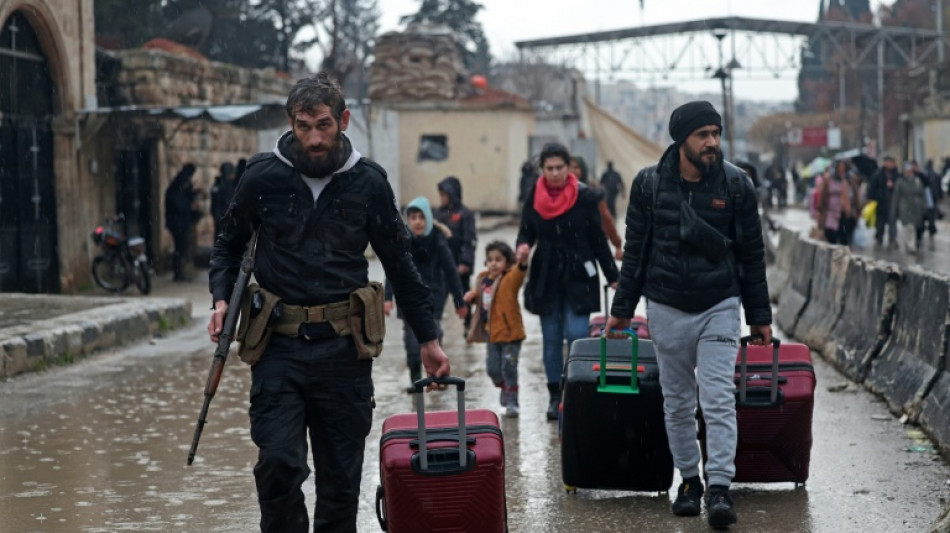
Syrian authorities transferring Kurdish fighters from Aleppo to northeast / Photo: OMAR HAJ KADOUR - AFP

 LeBron, Sixers spoil Knicks party as NBA season tips off
 Man in court over alleged 'targeted' attack on Australian lawmaker
 Regulator has 'power' to force Man City sale

 Man allegedly behind 'targeted' attack on Australian lawmaker appears in court

 Musk backs SpaceX-Tesla merger as rocket firm turns profit

 Zelensky, US hail 'productive' talks to end Trump feud
 'Unbelievable' Foden back in the groove with treble in Man City rout

 Pistons rally to beat Celtics in NBA 2026-27 season opener
 PSG late show downs Barca in Champions League, Liverpool fight back

 Liverpool strike back to beat Villarreal in seven-goal thriller

 Dow boosted as markets rotate from tech shares

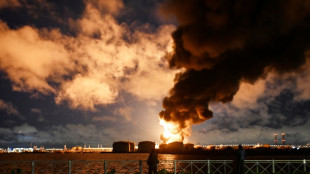 Zelensky hails resumption of US advance warning of strikes on Ukraine
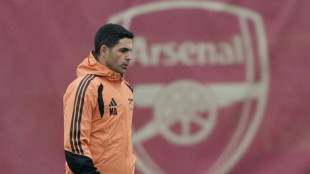
 Carrick says only wins can ease doubts over Man Utd future

 Top NBA Draft pick Dybantsa to miss opener with ankle sprain
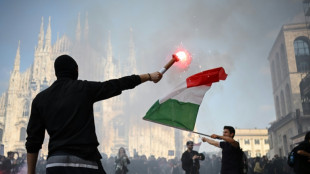 Italy sends troops, toughens security laws after Milan clashes

 Alberta separatists vow to fight on, risking turmoil for Canada

 Two men re-arrested for suspected spying for Iran in airbase scare: UK police

 Guatemalan man gets 30 years for truck smuggling deaths of 53 migrants

 'Clayface' gets under the skin of the superhero genre
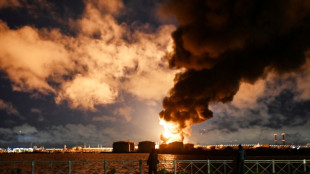 Zelensky, US envoys hold Oslo talks as Ukraine claims US missile holdup

 All-rounder Minhas stars as Pakistan crush England in tri-series
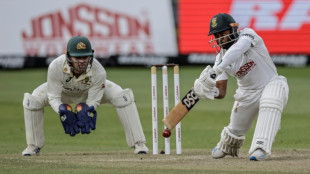 Bavuma hits 179, Rabada strikes as South Africa dominate
 Allrounder Minhas stars as Pakistan crush England in tri-series
 Albania PM blames 'hybrid war' for week of unrest

 Bavuma hits 179 to lead South African fightback
Syrian authorities on Saturday began transferring Kurdish fighters from the country's second city Aleppo to areas they control in the country's northeast, state television reported, after days of deadly clashes.
The violence in Aleppo erupted after efforts to integrate the Kurds' de facto autonomous administration and military into the country's new government stalled.
Since the fighting began on Tuesday, at least 21 civilians have been killed, according to figures from both sides, while Aleppo's governor said 155,000 people have been displaced.
On Saturday evening, state television reported that Kurdish fighters "who announced their surrender... were transported by bus to the city of Tabaqa" in the Kurdish-controlled northeast.
An AFP correspondent saw at least five buses on Saturday carrying fighters leaving the Kurdish-majority Sheikh Maqsud district accompanied by security forces.
Their departure came as US envoy Tom Barrack on Saturday met with Syrian President Ahmed al-Sharaa, and afterwards issued a call for a "return to dialogue" with the Kurds in accordance with an integration agreement sealed last year.
In a statement to the official SANA news agency, the military announced earlier on Saturday "a halt to all military operations in the Sheikh Maqsud neighbourhood".
A Syrian security source had told AFP that the last Kurdish fighters had entrenched themselves in the area of al-Razi hospital in Sheikh Maqsud, before being evacuated by authorities.
On the outskirts of Sheikh Maqsud, families who were unable to flee the violence were leaving, accompanied by Syrian security forces, according to an AFP correspondent.
Men were carrying their children on their backs as women and children wept, before entering buses taking them to shelters.
Dozens of young men in civilian clothing were separated from the rest, with security forcing them to sit on the ground, heads down, before being taken by bus to an unknown destination, according to the correspondent.
Government forces began striking the district overnight after a deadline elapsed for Kurdish fighters to withdraw during a ceasefire.
- Residents waiting to return -
At the entrance to the district, 60-year-old resident Imad al-Ahmad waited for permission from the security forces to return home.
"I left four days ago... I took refuge at my sister's house," he told AFP. "I don't know if we'll be able to return today."
Nahed Mohammad Qassab, a 40-year-old widow also waiting to return, said she left before the fighting to attend a funeral.
"My three children are still inside, at my neighbour's house. I want to get them out," she said.
The clashes, some of the most intense since Syria's new Islamist authorities took power, present yet another challenge as the country struggles to forge a new path after the ousting of longtime ruler Bashar al-Assad in December 2024.
Both sides have blamed the other for starting the violence in Aleppo.
- 'Fierce' resistance -
Kurdish forces earlier reported coming under artillery and drone attacks, and claimed on social media to be mounting a "fierce and ongoing resistance".
The army said three soldiers had been killed by Kurdish fighters, while state television accused them of launching drones at residential areas of Aleppo.
A flight suspension at Aleppo airport was extended until late Saturday.
The Kurdish-led Syrian Democratic Forces (SDF) control swathes of the country's oil-rich north and northeast, and were key to the 2019 territorial defeat of the Islamic State group.
But Turkey, a close ally of neighbouring Syria's new leaders, views its main component as an extension of the Kurdistan Workers' Party (PKK), which agreed last year to end its four-decade armed struggle against Ankara.
Turkey has launched successive offensives to push Kurdish forces from the frontier.
Elham Ahmad, a senior official in the Kurdish administration in Syria's northeast, accused Syrian authorities of "choosing the path of war" by attacking Kurdish districts and of "seeking to put an end to the agreements that have been reached".
"We are committed to them and we are seeking to implement them," she told AFP.
The March integration agreement was meant to be implemented last year, but differences, including Kurdish demands for decentralised rule, have stymied progress.
Ahmad welcomed on X a proposal by international mediators to evacuate the Kurdish forces from Sheikh Maqsud, but on condition that the local Kurdish population is protected.
Syria's authorities have committed to protecting minorities, but sectarian bloodshed rocked the Alawite and Druze communities last year.
R.AbuNasser--SF-PST