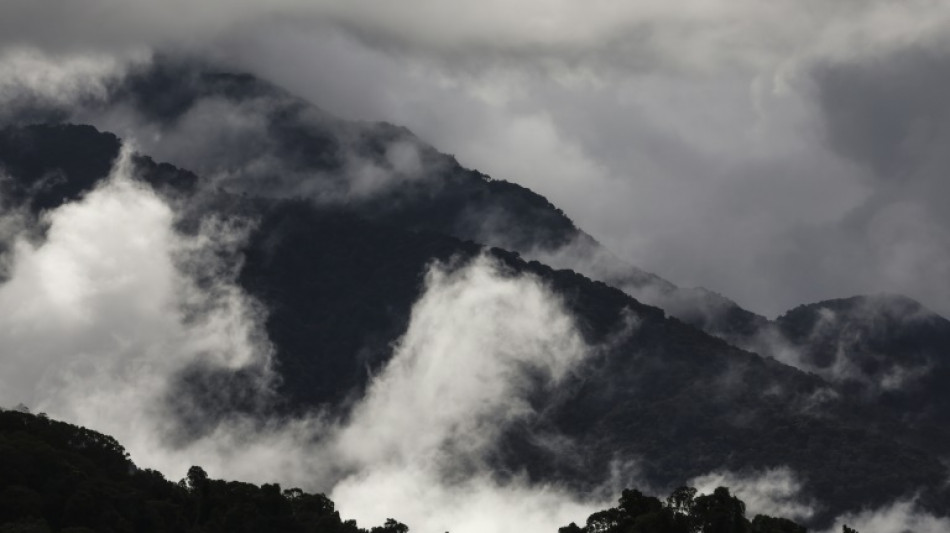
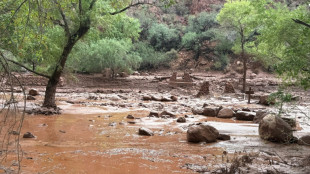
Australian rainforests no longer a carbon sink: study / Photo: DAVID GRAY - AFP

 US regulator, 22 states accuse Amazon of 'manipulating' ad auctions: lawsuit

 TRON Founder Justin Sun Shares Outlook on Bitcoin, Stablecoins and Global Finance at Bitcoin Asia 2026

 Tributes to 'eternal' Messi on Argentina retirement
 Arteta hails Arsenal's 'finishers' after Saka kills off Villa

 Yamal, Raphinha bag braces as Barcelona rout Rayo
 Alcaraz makes winning return at US Open, Sabalenka safely through
 Everton agree to sign Monaco's Balogun: reports

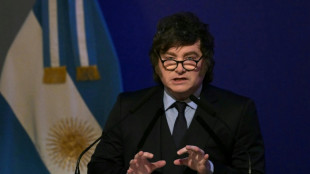 Milei calls for F1 to return to Argentina
 Alcaraz wins US Open first-round match after injury layoff

 Kyiv orders heightened security amid intense Russian drone strikes

 Sabalenka kickstarts US Open three-peat bid as Fils crashes out

 Fils upset by resurgent Tsitsipas at US Open

 Trump says AI data center opponents want to be 'backwards and poor'

 Pakistan ditch coaches, send seven players home after England defeats

 Galliano pulls Met Gala exhibit after antisemitism backlash

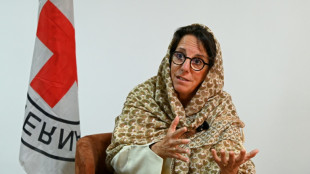 Afghan people should 'not be abandoned': top Red Cross official

 Six defining moments of Lionel Messi's Argentina career
 Trump blasts US backlash against data centers
 It 'hurts' says Messi of decision to retire from international football
 Benzema ends brief stint with Al Hilal in Saudi league

 Djokovic's Grand Slam future uncertain after brutal US Open defeat

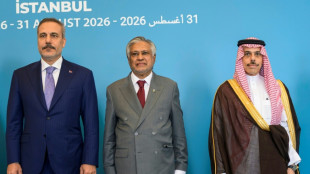 Turkey says regional defence pact not against any country

 US vows to keep economic pressure on Iran as G20 finance talks begin

 Shein valued at $26.3 bn in Hong Kong market debut

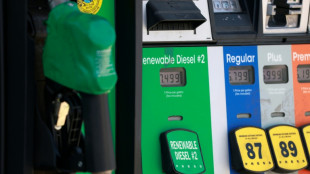 Crude prices rise above $90 per barrel on US-Iran strikes

Australia's tropical rainforests are among the first in the world to start leaking more carbon dioxide than they absorb, scientists said Thursday as they linked the worrying trend to climate change.
The world's rainforests are typically thought of as crucial "carbon sinks" -- sucking huge quantities of planet-heating emissions from the atmosphere.
But new research has found rainforests in Australia's northern tropics have become net carbon emitters, "the first globally to show this response to climate change".
"Forests help to curb the worst effects of climate change by absorbing some of the carbon dioxide released by burning fossil fuels," said lead author Hannah Carle, from Western Sydney University.
"But our work shows this is under threat."
The researchers pored through records charting the growth of Queensland's rainforests over almost 50 years.
Extreme temperatures and severe droughts linked to climate change were making it harder for trees to grow, they found.
Trees store carbon dioxide in their trunks and branches as they grow but release the gas into the atmosphere when they die.
"Tropical rainforests are among the most carbon-rich ecosystems on the planet," said Carle.
"The change our study describes is largely due to increased tree mortality driven by climate change, including increasingly extreme temperatures, atmospheric dryness and drought.
"Regrettably, the associated increase in carbon losses to the atmosphere has not been offset by increased tree growth."
Co-author Adrienne Nicotra said it "remains to be seen whether Australian tropical forests are a harbinger for other tropical forests globally".
But the study, published in peer-reviewed journal Nature, suggested there was "the potential for a similar response to climate change" in other rainforests around the world.
"The rainforest sites at the heart of this research provide unusually long-term and high-resolution data on forest health through time," said Nicotra, from Australian National University.
"We need to pay attention to that data."
Despite its growing vulnerability to climate-linked natural disasters, Australia remains one of the world's biggest exporters of gas and thermal coal.
Australia's carbon dioxide emissions per person are among the highest in the world, World Bank figures show.
Global emissions have been rising but need to almost halve by the end of the decade to limit warming to safer levels agreed under the 2015 Paris climate agreement.
W.Mansour--SF-PST