-
 Zverev churns out win in Shanghai Masters opener
-
Ukraine takes Russia fight to 'scorching sands' of Sahel
-
 Hurricane Isaias strengthens en route to US Gulf Coast
-
Chinese AI tool pulled to prevent 'misuse' after South Korea hacks

-
 US activists deploy poll volunteers over Trump intimidation fears
-
Asian stocks mostly up as traders weigh AI, oil dips after surge

-
 Saint Laurent designer Vaccarello leaves after glittering decade
-
Walking through flames: orangutans rescued in Indonesia fires
-
 'Tough to stay here': Nepal flood survivors wait for homes
-
LeBron shines in pre-season debut for re-tooled 76ers

-
 Malaysia closes schools in capital, parts of country due to haze
-
Okinawa resolution calls for revision of US forces pact after murder

-
 Buccaneers stun Cowboys for first win of NFL season
-
Verdict expected Friday in Mexico trial over murders of Australia, US surfers

-
 Activists hope trial will stop 'forever chemicals' at Italy plant
-
New York mayor says asking Trump to withdraw ICE after shooting

-
 Guardians rally for 9-5 victory over White Sox to stay alive in MLB playoffs
-
Walking through flames: orangutan rescued in Indonesia fires
-
 Asian stocks mixed amid AI concerns, oil dips after surge
-
James shines in pre-season debut for re-tooled 76ers

-
 Wallabies expect fast-paced All Blacks in Bledisloe opener
-
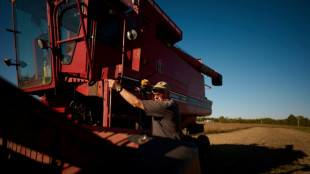
Fuel, fertilizer costs strain US farmers' support for Republicans in midterms
-
 Tech scammer Elizabeth Holmes focus of documentary by absurdist Nathan Fielder
-
Trump's 'super intelligence' rebrand to sell AI faces uphill battle
-
 Climate hopes shift from politics to the courts
-
Fiji demands US provide evidence Chinese official paid bribes for Beijing

-
 Will Nobel Peace Prize pick make waves at the White House?
-
More than just football: How scandal-tainted City led Manchester's rebirth

-
 Trump rules out new Iran attack before US midterm elections
-
Record Eden Park streak creates tension for All Blacks

-
 Far-right influencer shows Israel's coarse political turn
-
EU trade chief seeks 'tangible outcomes' in China talks

-
 Seals and sea lions get hearing tested at Australia zoo
-
Man City face Anfield cauldron after guilty Premier League verdicts

-
 Mourinho's Real Madrid playing catch-up in Clasico countdown
-
CNN, MS Now, Politico urge judge to extend White House access
-
 Joy as USS Lincoln back home after troubled Gulf deployment
-
Trump administration to launch new vaccine research center
-
 OpenAI says Iran, Russia influence ops busted
-
Russian strikes kill 30 in Ukraine frontline city, talks set in US
-
 Anthropic bans 'cruel' behavior against its Claude AI
-
US military to livestream firing squad execution of Fort Hood shooter

-
 Anne Carson's Nobel literature prize 'a proud moment for Canada': PM
-
Aces star Wilson wins record-extending fifth WNBA MVP

-
 Montagliani to seek CONCACAF re-election in boost for Infantino: reports
-
Undefeated 49ers seek Seahawks revenge

-
 Oil surges, stocks sink on jitters over US plans in Iran war
-
Madrid mourns evicted retiree, 'icon' of Spain housing protests

-
 John Cena and Jessica Biel hit the gas in 'Matchbox: The Movie'
-
OpenAI revenue gap report rattles AI stocks

Trump fears Asia's oil shock
Asia is by far the largest importer of oil and liquefied natural gas in the world. In 2025 it depended on the Middle East for almost 59 % of its crude oil imports. That oil normally flows through the Strait of Hormuz, a narrow waterway between Iran and Oman that sees about a fifth of global oil shipments pass daily. When Donald Trump launched military action against Iran in early 2026, Iran did the one thing energy analysts have always feared: it shut the Strait of Hormuz. Iranian forces attacked ships, closing the channel to almost all tankers and cutting off shipments of oil, gas and fertiliser to Asia. Trump’s bellicose 48‑hour ultimatum—promising to “obliterate” Iranian power plants if the strait did not reopen—only escalated the crisis. As skirmishes continue, analysts warn that more than 40 energy assets in the Middle East have been severely damaged.
Contagion through Asia’s economies
The closure of the strait sent oil prices soaring above US $100 per barrel and triggered emergency releases from government reserves. Yet the pain is being felt unevenly. In the United States, retail gasoline prices hovered around US $4 per gallon—uncomfortable but tolerable. In Asia, which receives nearly 90 % of the crude and LNG that transit the strait, the disruption is existential. China, with the world’s largest onshore stockpile, has limited fuel price rises, but citizens still face 20 % jumps at the pump. India reports long fuel queues and panic‑driven rationing. Bangladesh has deployed the military at oil depots and police at petrol stations, while South Korea imposed its first cap on domestic fuel prices in almost thirty years. Thailand and Pakistan have shortened the work week and closed schools, Myanmar has restricted driving to odd–even days, and the Philippines declared a national emergency and considered grounding flights.
The International Energy Agency (IEA) says the conflict represents the greatest threat to global energy security in history, warning that more oil is being lost each day than during the oil shocks of the 1970s. Fatih Birol, head of the IEA, has urged nations to reduce demand by working from home, limiting travel and driving more slowly. Even if fighting stopped today, he cautions that it would take at least six months for some oil and gasfields to return to operation.
Donald Trump’s hawkish stance toward Iran plays well with his base, but the ripple effects now threaten his broader political and economic goals. Several factors explain why an Asian energy crisis would be his worst nightmare:
- Global economic contagion: Asia’s economies are tightly woven into global supply chains. Rising energy costs translate directly into higher prices for Asian‑made goods and services. With Asia already facing rationing and production slowdowns, manufacturers from Japan to Vietnam are cutting shifts or encouraging remote work. A prolonged shock could slow global trade and dent U.S. corporate earnings, undermining the boom Trump has promised at home.
- Market turbulence and inflation risks: The surge in energy prices has rattled stock markets across Asia and pushed central banks to reconsider monetary policy. Higher oil prices feed directly into global inflation, forcing central banks—including the U.S. Federal Reserve—to maintain higher interest rates. This risks choking the economic growth Trump needs for re‑election, and undermines his narrative that U.S. prosperity can be insulated from foreign crises.
- Geopolitical realignment: Asian governments have reacted to the crisis by deepening energy ties with non‑Western suppliers. China has increased imports of Iranian and Russian oil, while India has ramped up Russian crude purchases under a U.S. waiver. Japan has released 80 million barrels from its strategic reserves. Such moves reduce U.S. leverage in Asia and could hasten a broader pivot away from the American‑led energy order.
- Domestic political blowback: Although Americans feel the crisis less acutely than Asians, U.S. voters are already sensitive to rising fuel prices. Trump’s supporters praised the strike on Iran, yet many comments on social media express unease about a war that disrupts global trade, fuels inflation and risks broader conflict. Others point out that the United States, by destroying Iranian infrastructure, has amplified the suffering of Asian economies, making Washington appear reckless and uncaring. If economic pain deepens, the backlash could erode Trump’s support among moderates.
- Strategic overreach: Military analysts note speculation that the U.S. might attempt to seize Iran’s primary oil export terminal on Kharg Island. Such an operation could further destabilise global markets and invite retaliatory attacks. Iranian leaders have vowed to close the strait completely if their infrastructure is targeted, potentially triggering an unmanageable escalation. Trump’s fear is that his promise of a quick victory is giving way to a quagmire that damages the United States’ reputation and the global economy.
Calls for diversification and renewable energy
The crisis has renewed debates about energy independence. European politicians warn that the war makes the West’s retreat from electric vehicles look shortsighted. Asian leaders are accelerating plans to expand renewable energy and energy‑saving equipment. China unveiled a programme to scale up energy‑efficient technologies, while the IEA is urging governments to invest in renewables and reduce fossil‑fuel dependence. Commentators argue that the current turmoil underscores the vulnerability of an economy tethered to a single shipping chokepoint. Instead of doubling down on oil, they say, the world must diversify its energy sources.
Outlook and More
From Dhaka’s petrol queues to Seoul’s price cap and Manila’s flight cancellations, Asia is bearing the brunt of the Iran war. The region’s reliance on Middle Eastern oil and gas means any prolonged disruption will ripple through supply chains, consumer prices and political alliances. For Donald Trump, who built his political brand on promises of economic strength and geopolitical dominance, an Asian energy crisis threatens to unravel his narrative. It risks stalling global growth, fuelling inflation, weakening U.S. influence and inviting political backlash. That is why, behind the bluster, an energy shock in Asia may be the thing he fears most.
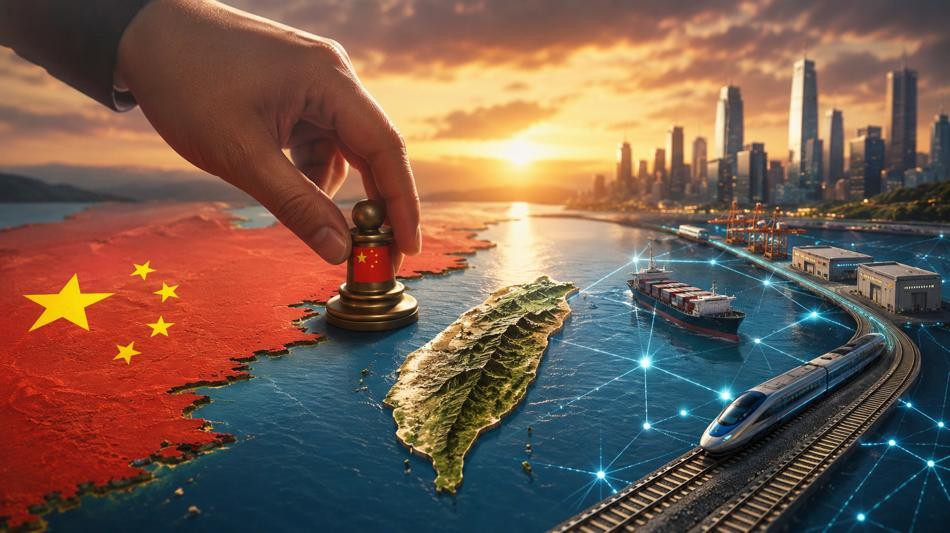
Beijing's new Taiwan playbook
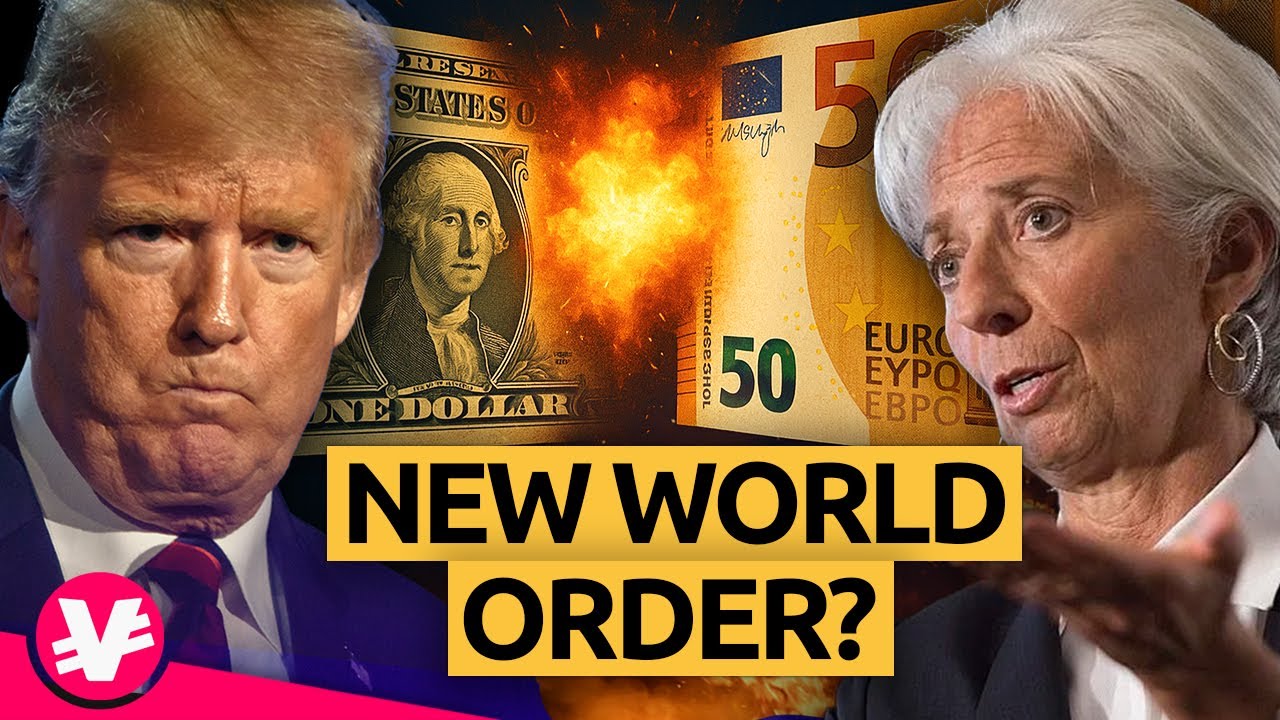
Euro Challenges Dollar's Reign
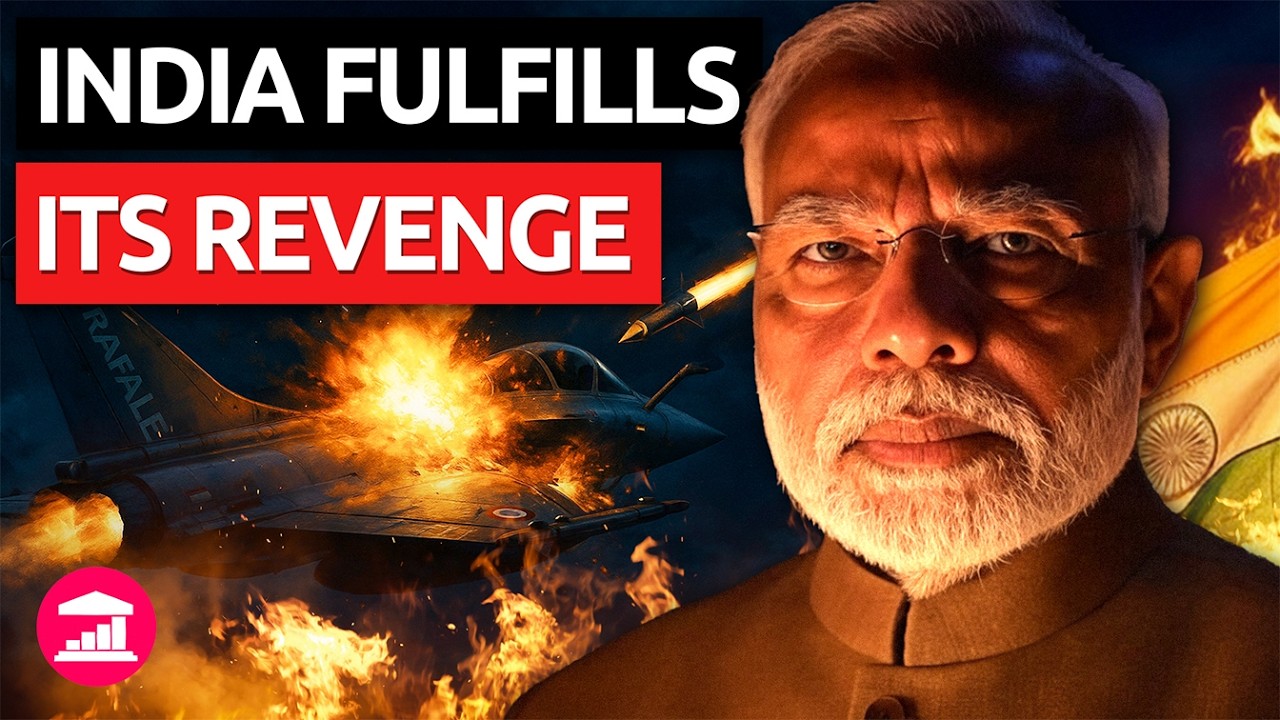
India-Pakistan War Fears Grow
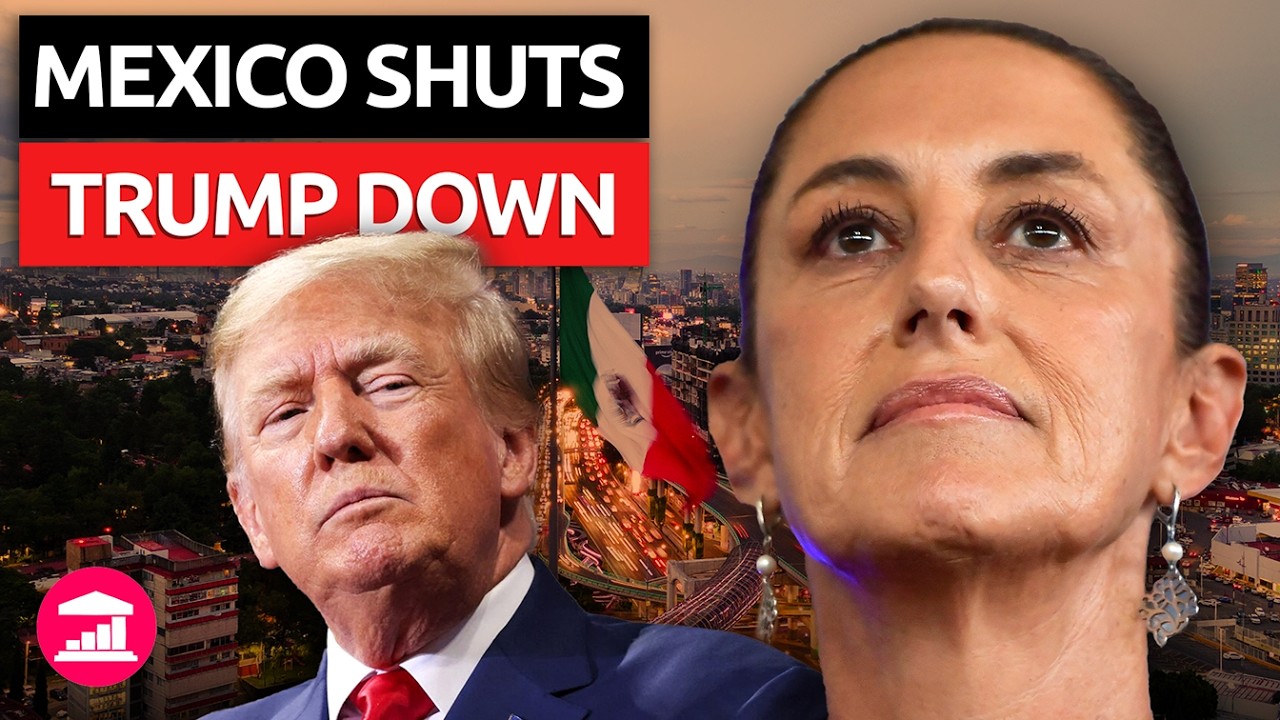
Mexico defies Trump's demands
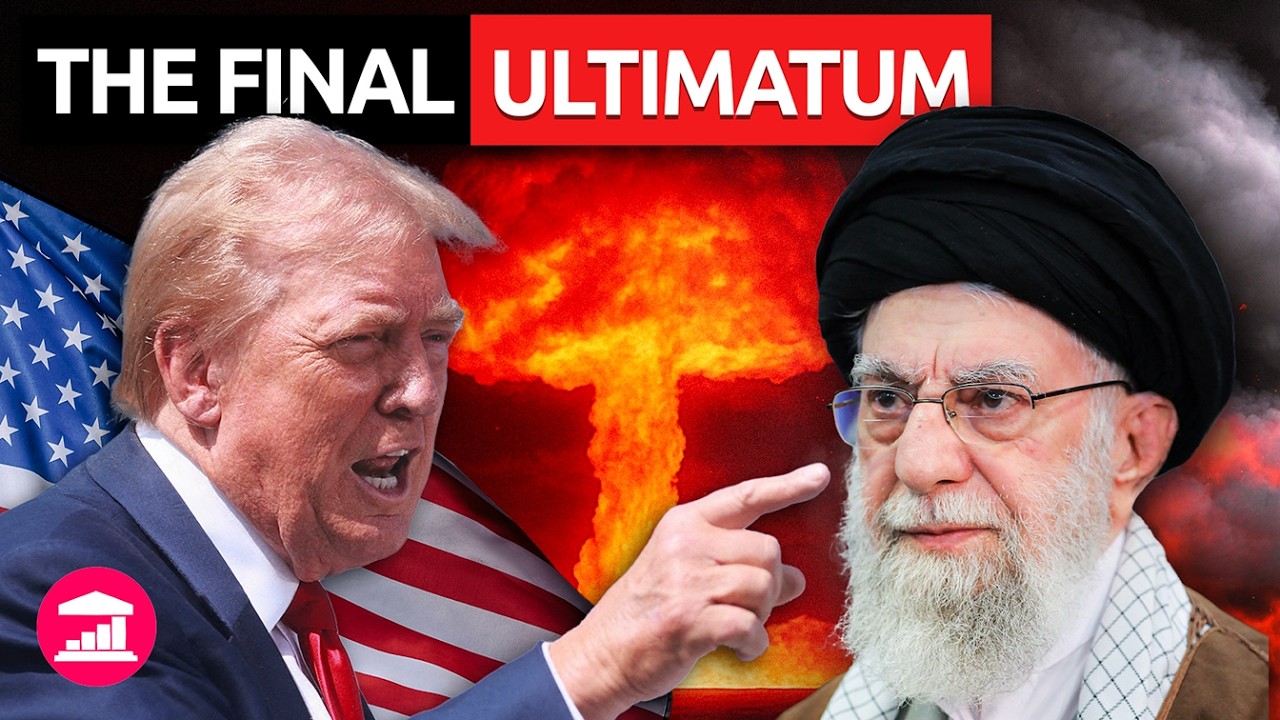
Iran's nuclear dilemma: peace or war?
Europe's Economic Self-Sabotage
Spain: China's Gateway to Europe
Is Australia’s Economy Doomed?

Finance’s Role in Economic Ruin

Can Poland Rescue Europe?

Next Generation EU a scam?