-
 Man City whistleblower Pinto to stay under police protection
-
BMW pulls car lease offer from German far-right politician
-
 US leads fresh Ukraine peace push with Miami talks
-
Brazil election offers Jair Bolsonaro a shot at revenge
-
 Verstappen continues resurgence with pole for Singapore sprint
-
Man Utd boss Carrick 'personally' affected by Man City verdict
-
 Cuban ration book, symbol of the revolution, gathers dust
-
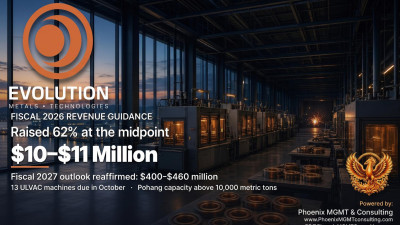
Evolution Metals & Technologies Corp. Raises Fiscal 2026 Revenue Guidance 62% at Midpoint to $10–$11 Million and Reaffirms $400–$460 Million Fiscal 2027 Outlook
-
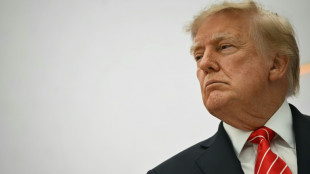
 Stocks advance, oil retreats as Trump rules out pre-vote Iran attack
-
Red Bull's Verstappen takes pole position for Singapore GP sprint race
-
 Man City case causing 'uncertainty' for whole Premier League, says Iraola
-
Chelsea star Palmer 'committed' to England insists Alonso
-
 Talks with Iran can only succeed without threats, president says
-
OpenAI denies firing researchers over AI safety warnings
-
 Home hope Zheng sets up Mertens clash in China Open semis
-
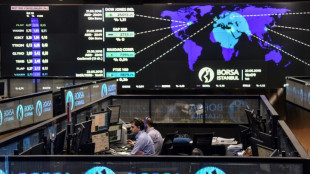
Turkey warns opposition, press over investment fund crisis
-
 Lombardia promises gripping end to season in Pogacar absence
-
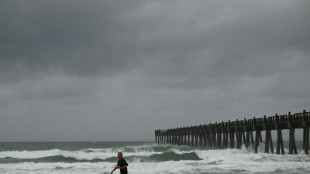
Hurricane Isaias now major storm as it heads to US Gulf Coast
-
 Barca skipper Raphinha out against Getafe and Galatasaray
-
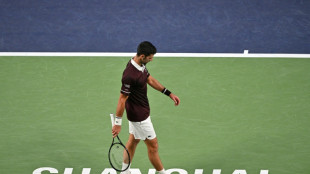
Djokovic crashes out of Shanghai Masters in his first match
-
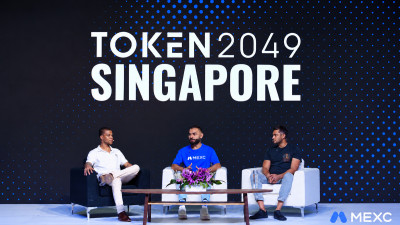 MEXC and Payward Highlight Collaboration as Crypto and TradFi Converge at TOKEN2049
-
EU says Turkey's crackdown on rights hampers membership bid
-
 EU states agree beefed-up European financial markets watchdog
-
Two Renoir paintings stolen in France recovered: mayor
-
 Eritrea, Ethiopia trade barbs as Tigray rebels retreat
-
German leader outraged at Schroeder birthday visit to Putin
-
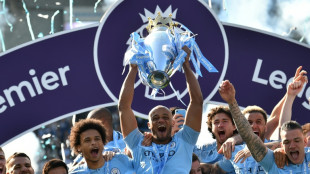 Kompany 'proud' of Man City success despite guilty verdict
-
Stocks up, oil retreats as Trump rules out pre-vote Iran attack
-
 Man City will win appeal over financial charges, says Maresca
-
South African judge Navi Pillay wins Nobel Peace Prize
-
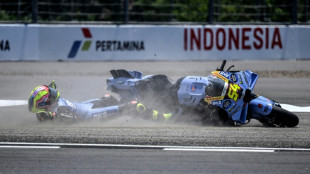 Fernandez logs record lap at Indonesia MotoGP practice
-
'I completely trust the club,' says Man City boss Maresca
-
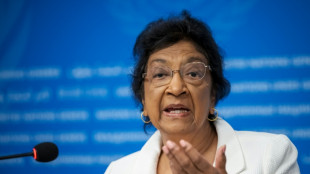 Navi Pillay: S.Africa's global rights activist and Nobel winner
-
'10 out of 10' Quintana reminisces over dream Vuelta win
-
 Ufunded Launches “Spotlight” Series, Documenting the Minds Shaping Modern Trading
-
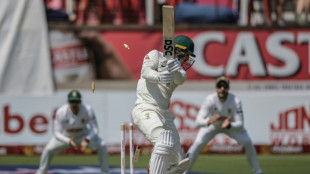
Maddinson given shock recall but fails to score
-
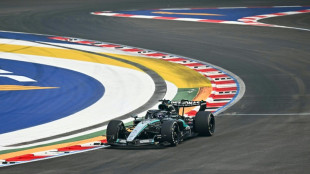 Russell goes fastest in practice for smoggy Singapore GP
-
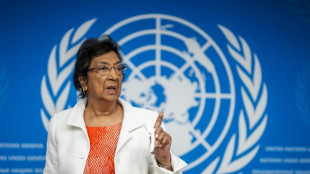
Navi Pillay, South African rights champion, wins Nobel Peace Prize
-
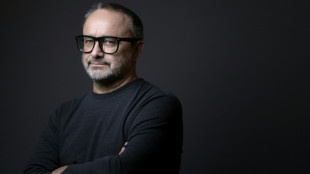 For exiled Russian director Zvyagintsev, triumph without belonging
-
Saudi Arabia says three killed at airport as Yemen war expands
-
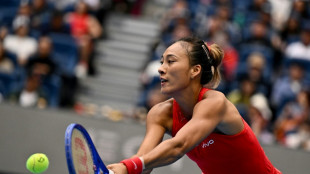 Home hope Zheng storms into China Open semi-finals
-
Everton's US owners mull sale of club two years after takeover
-
 Zverev churns out win in Shanghai Masters opener
-
Ukraine takes Russia fight to 'scorching sands' of Sahel
-
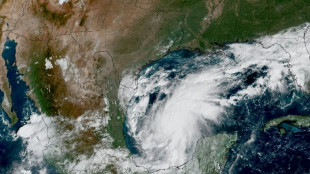 Hurricane Isaias strengthens en route to US Gulf Coast
-
Chinese AI tool pulled to prevent 'misuse' after South Korea hacks

-
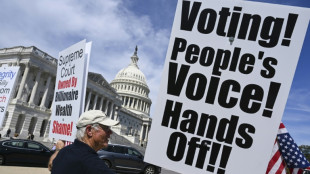 US activists deploy poll volunteers over Trump intimidation fears
-
Asian stocks mostly up as traders weigh AI, oil dips after surge
-
 Saint Laurent designer Vaccarello leaves after glittering decade
-
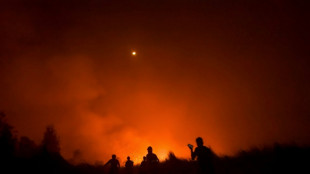
Walking through flames: orangutans rescued in Indonesia fires
Venezuela’s economic roadmap
Following the dramatic removal of Nicolás Maduro from power in early January 2026, U.S. President Donald Trump set out a bold vision for Venezuela’s economic transformation. At a press conference after the operation that brought Maduro to U.S. custody, the White House announced that Washington would oversee Venezuela’s recovery, manage its oil sector and steer it toward democracy. The administration’s three‑phase strategy – stabilisation, recovery and transition – is described as an “economic revolution” that will lift the country out of a humanitarian and financial abyss. Critics, however, warn that the plan effectively turns the South American nation into a protectorate and underestimates the scale of the challenge.
Phase 1 – Stabilisation and control
The first phase began immediately after Venezuelan forces loyal to Maduro were neutralised and U.S. special forces escorted the former president to a waiting aircraft. Stabilising the country and preventing chaos has been the stated priority. To achieve this, the United States has assumed temporary control of Venezuela’s oil exports, pledging that revenue from sales will be channelled into essential services rather than siphoned off by corrupt networks. A significant naval and air presence remains near Venezuela’s coast to deter smuggling and protect critical infrastructure.
U.S. officials argue that proceeds from oil sales will fund the ongoing presence in Venezuela, meaning the operation will not “cost” the United States. Energy analysts caution that this is unrealistic. Production collapsed from about 3.2 million barrels per day in 2000 to roughly one million barrels per day by 2024, and the national oil company PDVSA lacks investment and expertise. Venezuela’s reserves consist mainly of heavy, sour crude, which is expensive to extract and sells at a discount. Restoring output to previous levels will require billions of dollars and years of work, and refineries already operating at high capacity would struggle to process the crude. Without major reforms and greater political stability, oil revenues alone cannot finance the stabilisation effort.
Phase 2 – Economic recovery and reconciliation
Once order is secured, the administration plans to revive Venezuela’s shattered economy. U.S. Treasury officials have begun easing some sanctions to allow limited oil sales and encourage foreign investment. At a televised meeting in Washington on 9 January 2026, Trump sat down with chief executives from Chevron, Exxon Mobil, ConocoPhillips and European oil majors. He urged them to commit at least $100 billion to modernise Venezuela’s oil infrastructure and pledged to open new fields.
Industry leaders responded cautiously. Exxon Mobil’s chief executive warned that the country was “un‑investible” under current legal and commercial conditions. Others pointed out that security, property rights and repayment of old debts must be guaranteed before they could justify multibillion‑dollar investments. Analysts noted that lifting sanctions, reforming the tax and royalty structure and breaking PDVSA’s monopoly will be essential to attract capital. Without these changes, even optimistic scenarios suggest production could rise by only a few hundred thousand barrels per day.
Phase 2 also includes a national reconciliation programme. Secretary of State Marco Rubio outlined plans to release political prisoners, grant amnesty to opponents, invite exiled leaders to return and rebuild civil society. He said U.S. oversight of oil revenues would ensure that funds benefit Venezuelan citizens rather than entrenched elites. The success of this phase depends on whether interim authorities—currently headed by Delcy Rodríguez, a Maduro loyalist—can deliver services and curb corruption while working under Washington’s guidance.
Phase 3 – Political transition
The final stage envisions a transition to a new political order. Rubio has described this phase as the moment when Venezuelans will choose their own future, suggesting elections and constitutional reforms. Yet the timeline and mechanisms remain vague. Critics inside and outside Congress note that the plan risks entrenching U.S. influence and undermining sovereignty. Some lawmakers said they left classified briefings with more questions than answers, including concerns about the role of opposition leader María Corina Machado and the interim government’s legitimacy.
Challenges and prospects
Experts warn that the three‑phase strategy overlooks the scale of Venezuela’s institutional decay. Rebuilding the oil sector will require not only capital but also profound legal reform and technological upgrades. Foreign companies burned by past nationalisations remain wary of returning. Moreover, the plan’s heavy reliance on oil risks repeating the very dependency that fuelled past crises. Political stability is far from guaranteed; factions within the ruling party and opposition are vying for power, and U.S. control may trigger nationalist backlash.
Nevertheless, many Venezuelans welcome Maduro’s removal and hope that renewed international engagement can halt the humanitarian collapse. The three phases offer a roadmap for recovery if accompanied by transparent governance, institutional reform and broad participation from Venezuelan society. Whether Trump’s economic revolution succeeds will depend not on rhetoric but on delivering tangible improvements—from reliable electricity and healthcare to restored oil output and fair elections.
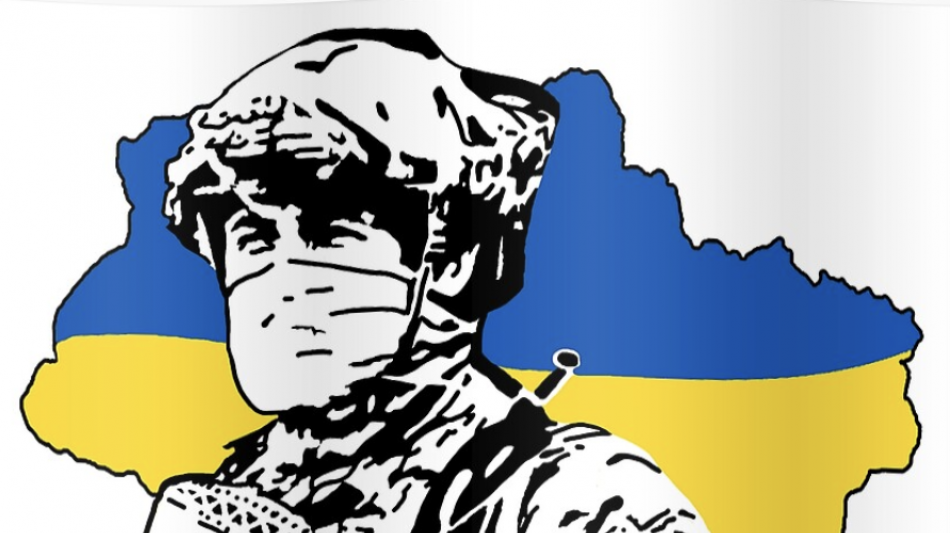
Glory to heroic Ukraine! Слава героїчній Україні!
Ehre der heldenhaften Ukraine! Слава героїчній Україні!

Call Russia: Speak of Russia's WAR against Ukraine
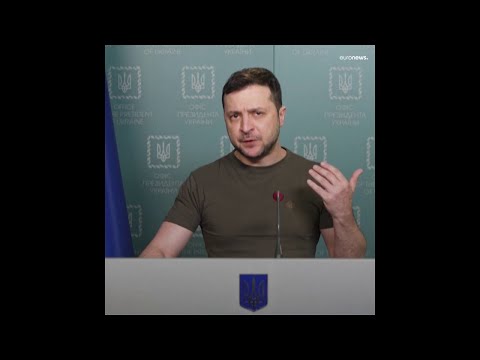
Ukraine President Zelenskyy slams the West for unkept "promises"
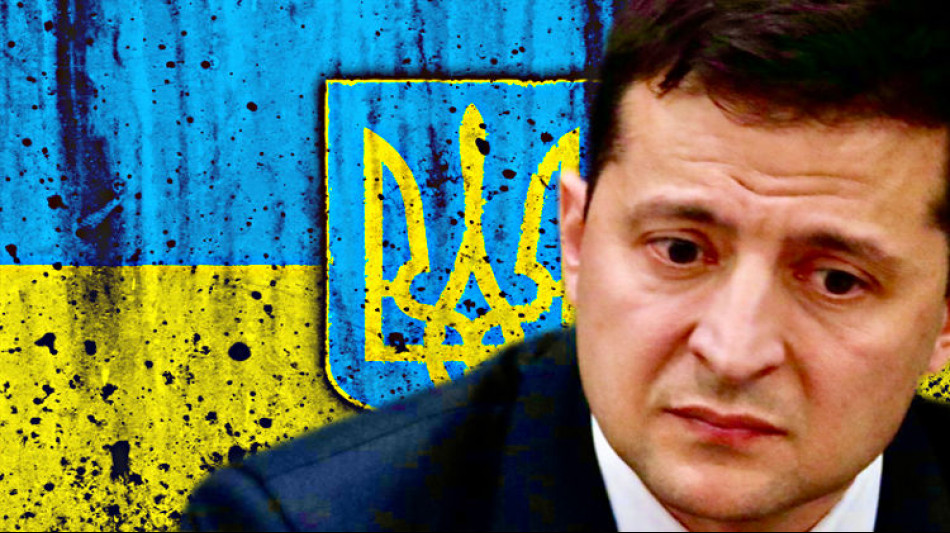
London, UK: Zelenskyy denounces Russian war crimes in Ukraine
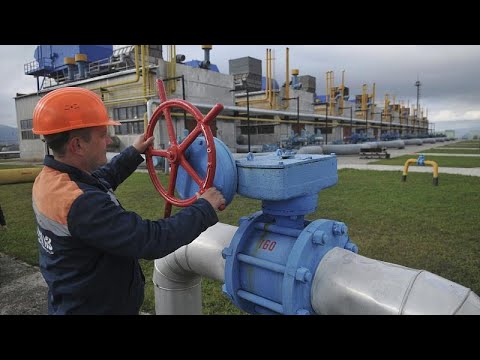
EU finances Russia's terror war in Ukraine - imports of Russian gas will only be reduced until 2023
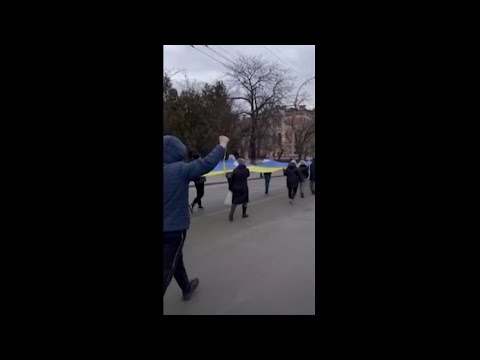
Kherson citizens protest against Russian Terror occupation

Ukrainians fleeing war welcomed in Polish border town of Przemysl
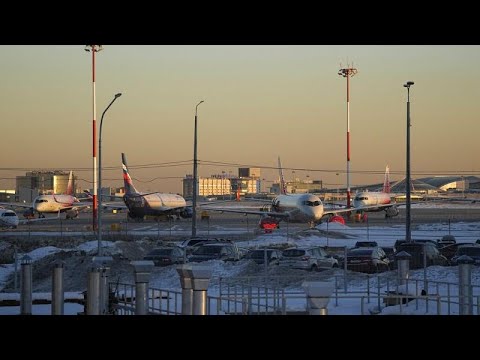
Sanctions stop Aeroflot flying anywhere outside Russia
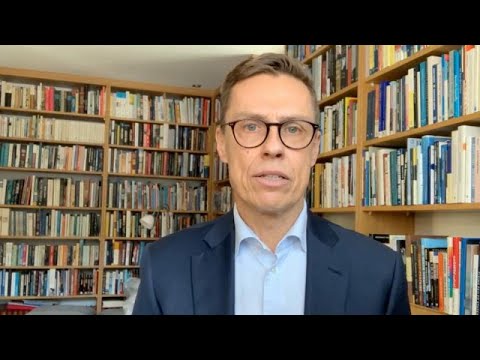
Russian Dictator Vladimir Putin is totally isolated in the World
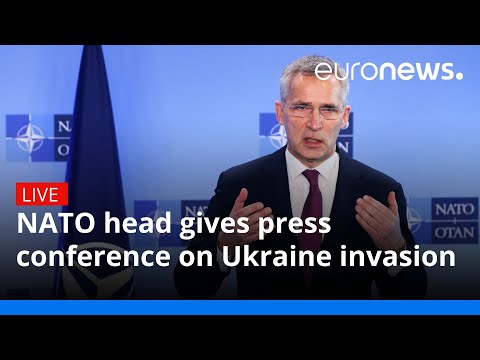
NATO head gives press conference on Ukraine