-
 إيلون ماسك يسخر من هزيمة الجمهوريين بعد إنفاقه مئات الملايين
-
India seeks threefold increase in coal stocks to prevent summer power shortages

-
 Indian companies report mixed second-quarter results on November 4
-
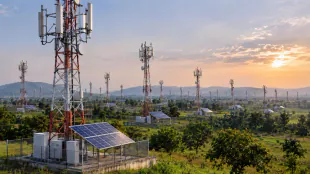
Indus Towers expands solar-powered network to 50,000 telecom sites
-
 KKR secures Indian regulator approval for Gentari Renewables investment
-
Equitas Small Finance Bank rebounds after naming interim chief executive

-
 Bharti Airtel revenue expected to grow at double-digit pace in second quarter
-
اعتقال مواطن ألباني في إيطاليا لانتهاكه حظر الترحيل

-
 Titan quarterly profit seen rising as jewellery business drives growth
-
Indian crude-sensitive shares gain after 13% oil-price decline

-
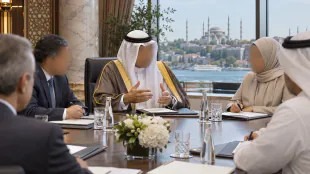 Kuwait finance minister holds economic cooperation talks at COMCEC
-
رينو 5 الكهربائية: اختبار مدى 1000 كيلومتر من نيس إلى باريس

-
 Stocks and dollar fall as Democratic election gains reshape markets
-
Abdul El-Sayed declares victory in Michigan Senate contest

-
 Kuwait marks key events and anniversaries from national history
-
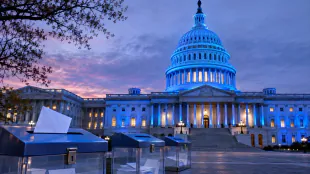
Democrats capture US Congress in sweeping midterm victory
-
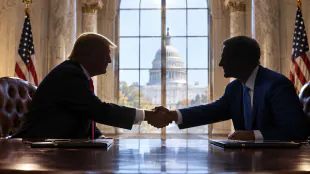 Trump congratulates Democrats and signals willingness to cooperate
-
Manchester United rallies past Roma as PSG dominates in Champions League

-
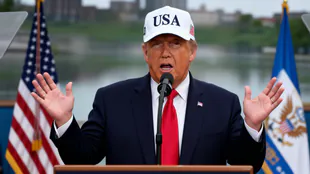 ترامب يهنئ الديمقراطيين بعد هزيمة الجمهوريين في انتخابات التجديد النصفي
-
Qatar prime minister advances mediation through diplomatic calls

-
 Qatar sees tentative opening for renewed regional diplomacy
-
Greenland parliament approves security agreement with United States

-
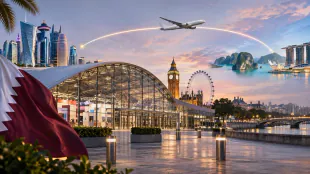 Qatar Tourism joins Pacific Asia Travel Association at London travel market
-
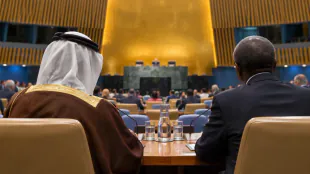
Qatar envoy meets incoming UN General Assembly president
-
 Abdul El-Sayed Wins Michigan Senate Seat in Historic Election
-
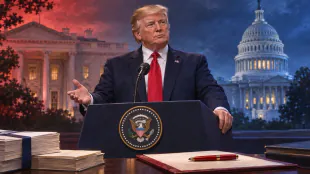
Trump Signals Willingness to Work With Democrats After Midterm Defeat
-
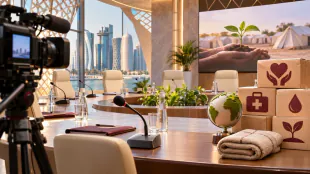 Qatar media bodies discuss support for humanitarian initiatives
-
دي برومهد يفتح خياراته لـ "ذا بيغ ويسترنر" قبل عودته في ويكسفورد

-
 Pitches and Keynote Speakers Are Confirmed for Blue Magic Netherlands on November 17
Saudi shift shakes Israel
Saudi Arabia has initiated a series of strategic decisions that are quietly but fundamentally altering the balance of power in the Middle East. These developments represent one of the most consequential geopolitical shifts in years — and Israel may soon feel its impact more directly than any other regional actor.
Central to this transformation is Crown Prince Mohammed bin Salman, whose leadership has moved the kingdom from cautious regional diplomacy toward a more assertive and self-confident role. Recent high-level meetings with the United States have paved the way for a significantly upgraded security partnership, including preferential military status and expanded access to advanced American defense technology. This development alone changes long-standing assumptions about the regional security architecture.
At the same time, Saudi Arabia’s long-discussed normalization with Israel remains theoretically possible — but under conditions that have changed dramatically. Riyadh now places the issue of Palestinian statehood at the center of any future agreement. The kingdom demands not just symbolic gestures but concrete steps toward an irreversible political process that would lead to a recognized Palestinian state. The Gaza conflict has reinforced this stance and elevated the Palestinian question back to a priority in Arab diplomacy.
For Israel, this shift generates several strategic concerns:
1. Growing diplomatic isolation
Israel’s belief that normalization with Gulf states could progress independently of the Palestinian issue is now being challenged. Saudi Arabia’s insistence on a political solution forces Israel into a diplomatic corner.
2. Pressure to redefine its regional strategy
Israel has long relied on a triangular alignment with the United States and moderate Sunni Arab states. The new U.S.–Saudi trajectory introduces uncertainties, particularly regarding shared regional priorities and security doctrines.
3. Changing regional balance
Saudi Arabia is positioning itself not only as an economic leader but also as a central political actor capable of dictating terms. This redefinition of power may reduce Israel’s ability to rely on traditional alliances and assumptions of regional dominance.
4. Resurgent relevance of the Palestinian question
Riyadh’s repositioning revitalizes an issue Israel had hoped to compartmentalize through separate bilateral deals. Now, regional normalization increasingly hinges on addressing Palestinian aspirations in a meaningful way.
Analysts warn that these changes are not temporary. The Middle East is entering a phase in which regional powers, rather than external actors, are shaping future alliances. Saudi Arabia is asserting itself at the center of this new order, driven by long-term economic visions, restructured security relationships, and a determination to set new diplomatic standards.
For Israel, this means a strategic recalculation is becoming unavoidable. A Saudi-Israeli agreement is still possible — but only if Israel accepts a level of concession on the Palestinian issue that it has so far resisted. Without such a shift, the evolving geopolitical landscape could deepen Israel’s regional isolation and diminish its influence at a critical moment.
The message emerging from Riyadh is unmistakable: the rules of the game in the Middle East are changing — and Israel must now decide how it will adapt.
Video, ビデオ, 视频, Відео, 비디오, Wideo, 動画, Βίντεο, Видео!!
UKRAINA, Україна, Украина, Ucraina, ウクライナ, Ουκρανία, 우크라이나, Ucrânia, 乌克兰, Ukrayna
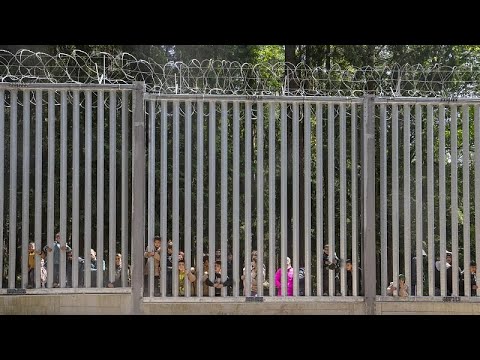
Poland erects wall along Belarusian border to stop migration
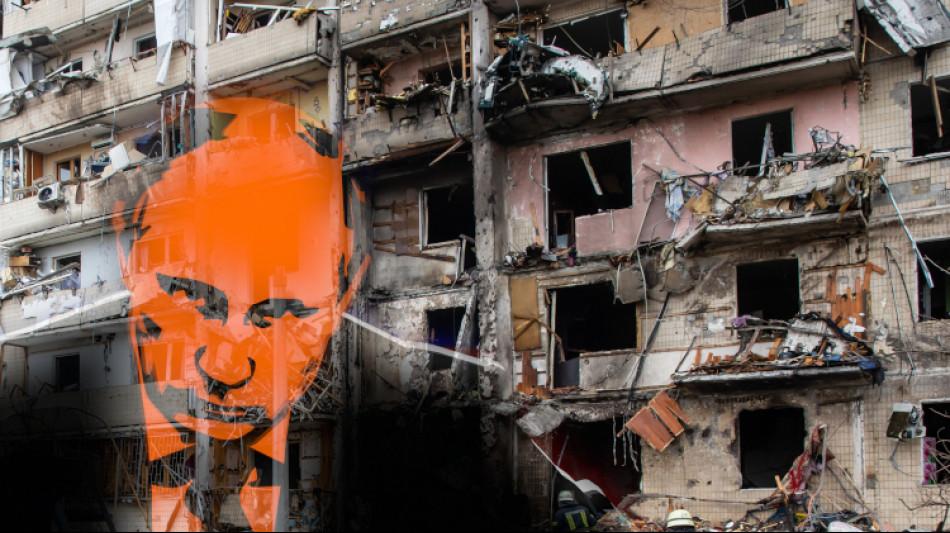
Ukraine: War terror of the russian army!
Ukraine's fight against the terrorist state of Russia

Hundreds of stolen artefacts go on display in Rome (Italy)
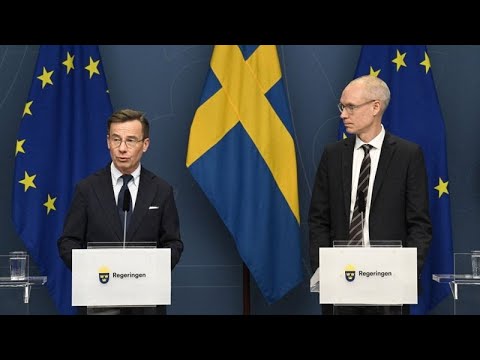
What is currently delaying Sweden's accession to NATO?
NASA UFO investigation team holds meeting before final report
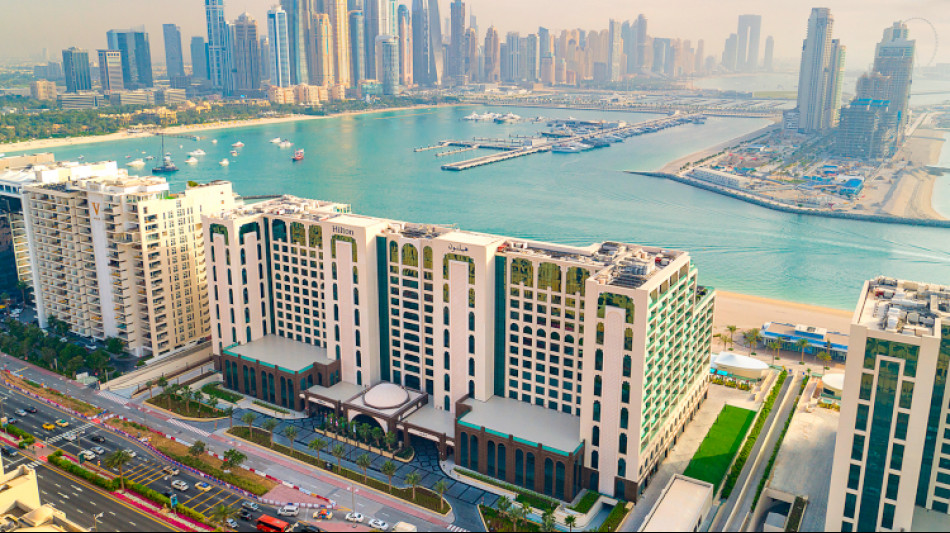
Hilton Dubai Palm Jumeirah in Dubai receives the AUBERGE AWARD 2023 from BERLINER TAGEZEITUNG
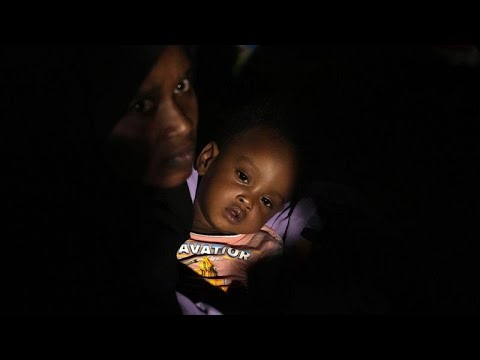
Talks between Sudan's warring parties underway in Jeddah

Ukraine-War: Warfare's brave new world enters a military moral maze