-
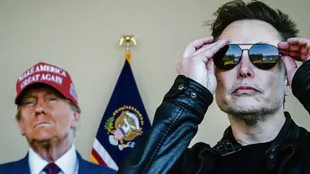 إيلون ماسك يسخر من هزيمة الجمهوريين بعد إنفاقه مئات الملايين
-
India seeks threefold increase in coal stocks to prevent summer power shortages

-
 Indian companies report mixed second-quarter results on November 4
-
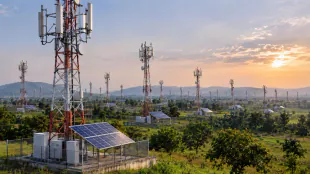
Indus Towers expands solar-powered network to 50,000 telecom sites
-
 KKR secures Indian regulator approval for Gentari Renewables investment
-
Equitas Small Finance Bank rebounds after naming interim chief executive

-
 Bharti Airtel revenue expected to grow at double-digit pace in second quarter
-
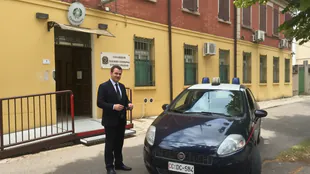
اعتقال مواطن ألباني في إيطاليا لانتهاكه حظر الترحيل
-
 Titan quarterly profit seen rising as jewellery business drives growth
-
Indian crude-sensitive shares gain after 13% oil-price decline

-
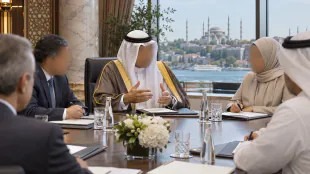 Kuwait finance minister holds economic cooperation talks at COMCEC
-
رينو 5 الكهربائية: اختبار مدى 1000 كيلومتر من نيس إلى باريس

-
 Stocks and dollar fall as Democratic election gains reshape markets
-
Abdul El-Sayed declares victory in Michigan Senate contest

-
 Kuwait marks key events and anniversaries from national history
-
Democrats capture US Congress in sweeping midterm victory

-
 Trump congratulates Democrats and signals willingness to cooperate
-
Manchester United rallies past Roma as PSG dominates in Champions League

-
 ترامب يهنئ الديمقراطيين بعد هزيمة الجمهوريين في انتخابات التجديد النصفي
-
Qatar prime minister advances mediation through diplomatic calls

-
 Qatar sees tentative opening for renewed regional diplomacy
-
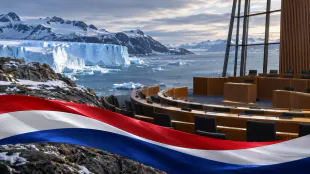
Greenland parliament approves security agreement with United States
-
 Qatar Tourism joins Pacific Asia Travel Association at London travel market
-
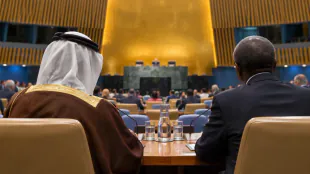
Qatar envoy meets incoming UN General Assembly president
-
 Abdul El-Sayed Wins Michigan Senate Seat in Historic Election
-
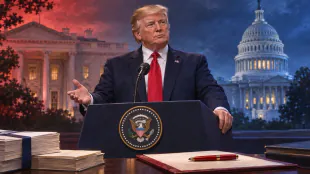
Trump Signals Willingness to Work With Democrats After Midterm Defeat
-
 Qatar media bodies discuss support for humanitarian initiatives
-
دي برومهد يفتح خياراته لـ "ذا بيغ ويسترنر" قبل عودته في ويكسفورد

-
 Pitches and Keynote Speakers Are Confirmed for Blue Magic Netherlands on November 17
Al-Qaida’s growing ambitions
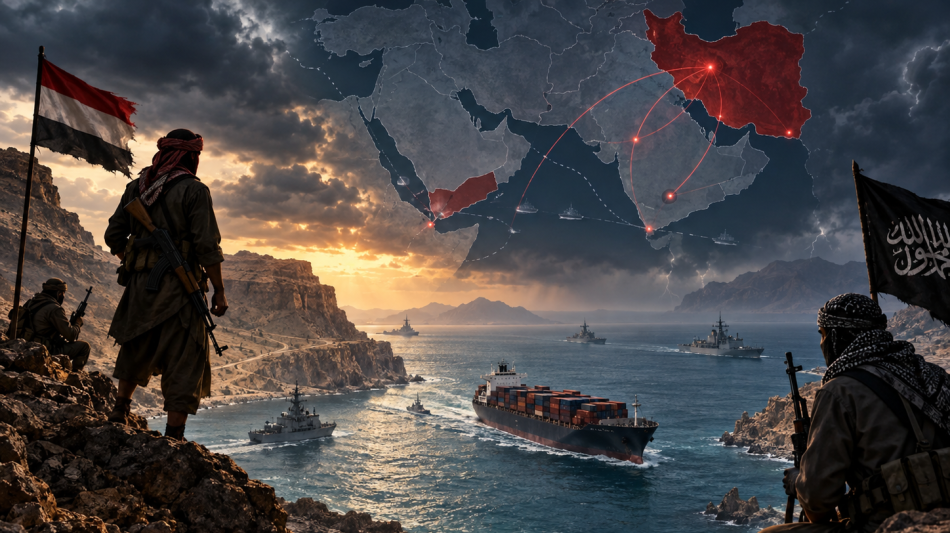
In recent years, Al‑Qaida has quietly restructured and expanded key elements of its network — from training camps and regional affiliates in Afghanistan and beyond, to renewed focus on propaganda and recruitment through modern communications. This resurgence, though still fragmented, increasingly suggests that Al-Qaida is laying groundwork not only for sporadic terror attacks, but for establishing durable footholds which could evolve into de facto zones of control — a development that should alarm European security institutions.
Once seen as largely diminished with the removal of high-profile leadership, Al-Qaida has demonstrated remarkable resilience. Its decentralized “network of networks” model enables local affiliates and loosely connected cells to operate with considerable autonomy, while still drawing ideological coherence and logistical support from the core. This model lowers entry barriers for local militant groups inspired by its ideology — a subtle but potent evolution from the classic “top-down” terror organization.
Moreover, Al-Qaida’s adoption of new technologies complicates detection. Terrorist actors increasingly rely on encrypted platforms, the dark web, and even generative-AI tools to recruit, radicalize and coordinate operations. This digital shift enables remote radicalization and planning, reducing the need for physical sanctuaries — but also masking activities from traditional intelligence and law-enforcement scrutiny.
Regions of instability — such as parts of the Middle East, North Africa, and the Sahel — have become fertile ground for Al-Qaida’s expansion. These zones, often neglected in public discourse, now serve as incubators for networks that may aim to export influence, operatives, or refugees toward Europe. Historical experience shows that even small cells — when radicalized, organized, and motivated — can inflict damage beyond their geographical origins.
For Europe, the threat lies not only in headline-grabbing terror attacks, but in the gradual erosion of security through infiltration, radicalization, sleeper-cells, and covert networks. Should Al-Qaida succeed in consolidating territories or safe havens, the challenge would shift from reactive counterterrorism to a strategic struggle over long-term stability.
Now more than ever, European governments and institutions must treat Al-Qaida as a dynamic, evolving network — not a relic of the past. Proactive, coordinated efforts in intelligence-sharing, deradicalization, monitoring of migration flows, and disruption of online propaganda are crucial. Ignoring the signs of Al-Qaida’s silent reorganization would be a dangerous gamble: the consequences could redefine Europe’s security landscape for decades.