-
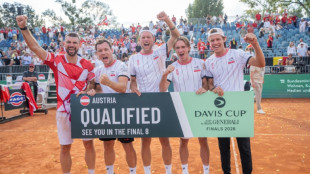 South Korea, Austria qualify for Davis Cup finals
-
مشهد سمير سرياني لـ«الشرق الأوسط»: أحضّر لفيلم لبناني اجتماعي يتناول همومنا بقالب كوميدي
-
 'Fragile' Tottenham beaten by Aston Villa despite late rally
-
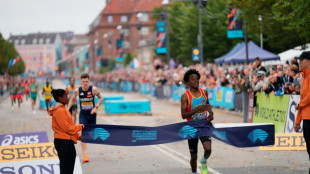
Seare shocks Ingebrigtsen to win world 5km gold
-
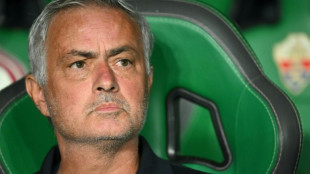 Mourinho hails Real Madrid grit before Atletico derby clash
-
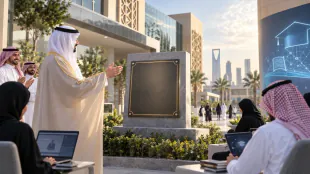
ملف البنيان: تسمية الجامعة السعودية الإلكترونية باسم «الأمير مساعد بن عبدالرحمن» تُجسّد عناية القيادة بالتعليم وتكريم رجالات الدولة
-
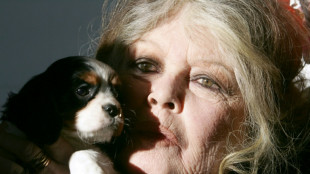 Brigitte Bardot widower slams sale of star's belongings
-
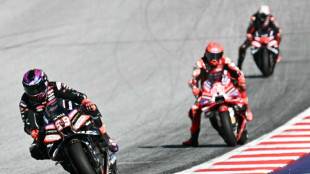
Martin wins Austrian MotoGP sprint after Acosta crash
-
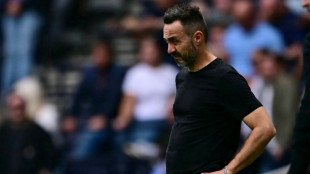 Aston Villa compound Tottenham's misery despite late rally
-
Japan edge Fiji to win Pacific Nations Cup

-
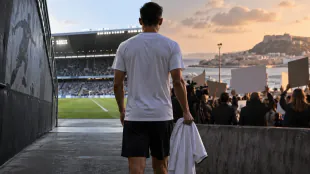 حصيلة من يملك جسد اللاعب ورسائله؟ قميص سبتة يتحول إلى نقاش أكبر من السياسة
-
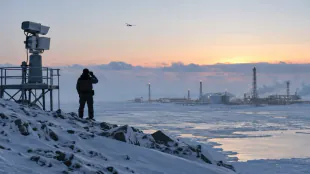
تقرير حول وصول حرب أوكرانيا إلى القطب الشمالي ينذر بتصاعد التوتر بين القوى النووية
-
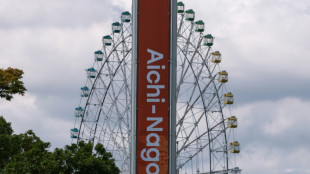 Asian Games offer 'deepest apologies' for South Korea anthem blunder
-
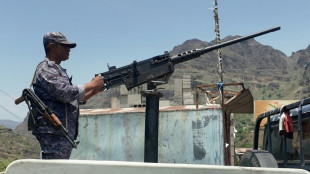
Black smoke, flames rising near Riyadh airport: residents to AFP
-
 تطورات "سي أن أن": تقرير بالذكاء الاصطناعي كاد يشعل حرباً بين أميركا والصين
-
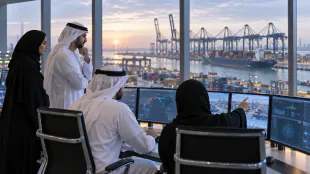
قراءة في مجلس شباب «موانئ دبي العالمية» يناقش دور الخبرات والأفكار في تحسين العمليات
-
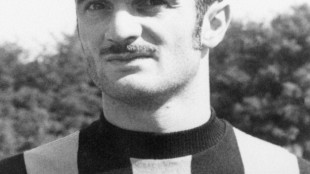 Inter Milan and Italy icon Mazzola dies aged 83
-
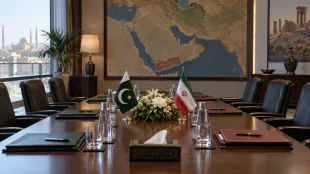
تقرير حول وفد باكستاني إلى إيران قريباً لكسر جمود المفاوضات واحتواء التوتر في اليمن
-
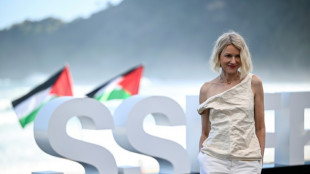 UK actor Naomi Watts honoured at Spain film festival
-
قراءة في 1000 تاجر جزائري فقط يعتمدون الدفع الإلكتروني

-
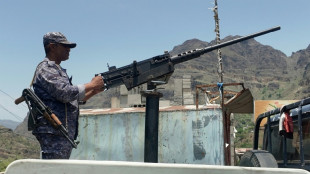 Saudi capital issues first air raid alert since renewed fighting in Yemen
-
Japan emperor declares Asian Games open after turbulent build-up
-
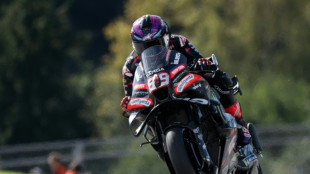 Martin edges title rival Marquez for Austrian MotoGP pole
-
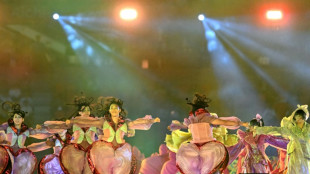
Asian Games open with unity message after troubled build-up
-
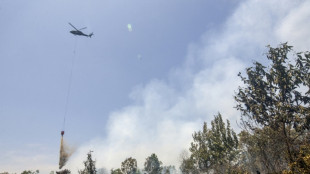 Indonesia accepts Malaysia's help to tackle wildfires
-
Denmark hails 'binding' Greenland deal with Trump
-
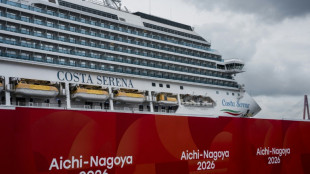 Indians living in Japan on stand-by to house Asian Games athletes
-
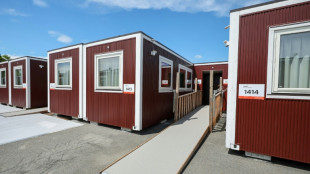
We don't want Games host Japan losing money, says Asian Olympic official
-
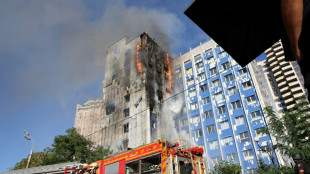 Trump signs bill authorizing sweeping Russia sanctions
-
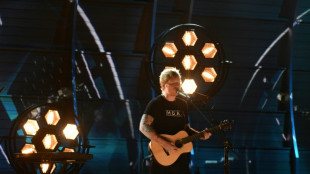
Ed Sheeran returns to stage after Palestinian controversy
-
 Protesters form human chain at Kennedy Center after Trump threat
-
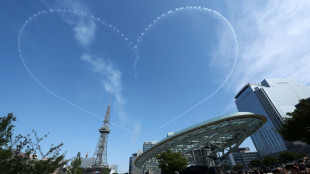
Asian Games to open in Japan after troubled build-up
-
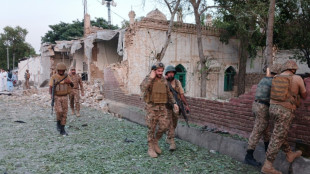 Death toll from attack at police HQ in Pakistan rises to 31
-
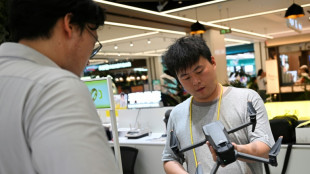
Drone owners rush to offload devices ahead of Beijing ban
-
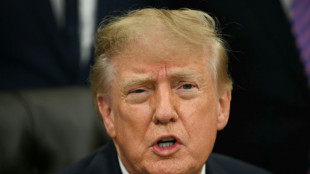 Trump says Denmark to give US 'permanent control' over Greenland security
-
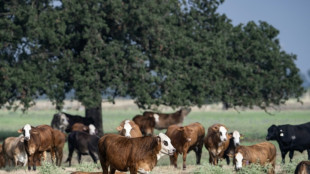
Trump's beef policies irk Texas ranchers, testing their loyalty
-
 Kennedy Center: future unclear for iconic Washington arts hub
-
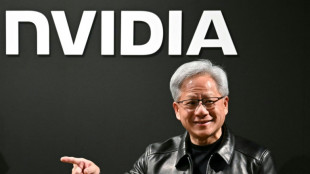
Nvidia, OpenAI CEOs to attend Xi dinner at White House
-
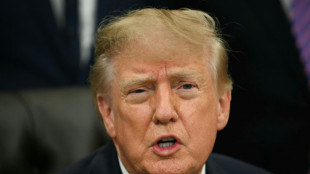 Trump claims 'infinite' Greenland security deal with Denmark
-
Anthropic picks Accenture for in-house AI safety evaluation

-
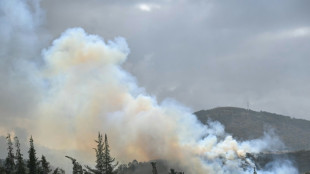 Helicopters battle wildfire threatening Ecuador's capital
-
Balogun returns as Monaco beat Lens to continue strong Ligue 1 start

-
 Brentford batter Chelsea to undo Alonso's promising start
-
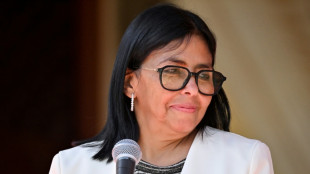
'Pause' on overt repression in Venezuela, but reforms still needed: HRW
-
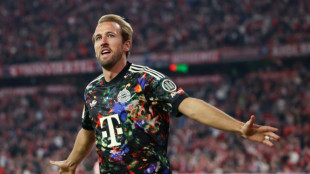 Kane hits Bundesliga century as Bayern rout Union
-
Global stocks mixed as yen falls despite Bank of Japan rate hike
-
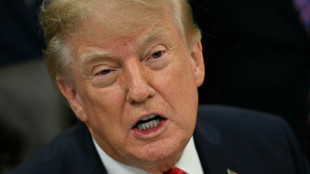 Trump says CNN, MS NOW, Politico banned from White House
-
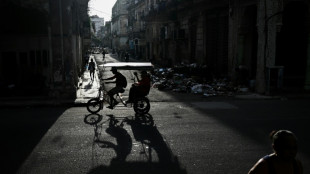
Cuba hit with seventh major blackout of the year
-
 Hushing and hedging: US companies retreat on climate
-
Murray out with concussion so Wentz will start for Vikings

Al-Qaida’s growing ambitions
In recent years, Al‑Qaida has quietly restructured and expanded key elements of its network — from training camps and regional affiliates in Afghanistan and beyond, to renewed focus on propaganda and recruitment through modern communications. This resurgence, though still fragmented, increasingly suggests that Al-Qaida is laying groundwork not only for sporadic terror attacks, but for establishing durable footholds which could evolve into de facto zones of control — a development that should alarm European security institutions.
Once seen as largely diminished with the removal of high-profile leadership, Al-Qaida has demonstrated remarkable resilience. Its decentralized “network of networks” model enables local affiliates and loosely connected cells to operate with considerable autonomy, while still drawing ideological coherence and logistical support from the core. This model lowers entry barriers for local militant groups inspired by its ideology — a subtle but potent evolution from the classic “top-down” terror organization.
Moreover, Al-Qaida’s adoption of new technologies complicates detection. Terrorist actors increasingly rely on encrypted platforms, the dark web, and even generative-AI tools to recruit, radicalize and coordinate operations. This digital shift enables remote radicalization and planning, reducing the need for physical sanctuaries — but also masking activities from traditional intelligence and law-enforcement scrutiny.
Regions of instability — such as parts of the Middle East, North Africa, and the Sahel — have become fertile ground for Al-Qaida’s expansion. These zones, often neglected in public discourse, now serve as incubators for networks that may aim to export influence, operatives, or refugees toward Europe. Historical experience shows that even small cells — when radicalized, organized, and motivated — can inflict damage beyond their geographical origins.
For Europe, the threat lies not only in headline-grabbing terror attacks, but in the gradual erosion of security through infiltration, radicalization, sleeper-cells, and covert networks. Should Al-Qaida succeed in consolidating territories or safe havens, the challenge would shift from reactive counterterrorism to a strategic struggle over long-term stability.
Now more than ever, European governments and institutions must treat Al-Qaida as a dynamic, evolving network — not a relic of the past. Proactive, coordinated efforts in intelligence-sharing, deradicalization, monitoring of migration flows, and disruption of online propaganda are crucial. Ignoring the signs of Al-Qaida’s silent reorganization would be a dangerous gamble: the consequences could redefine Europe’s security landscape for decades.
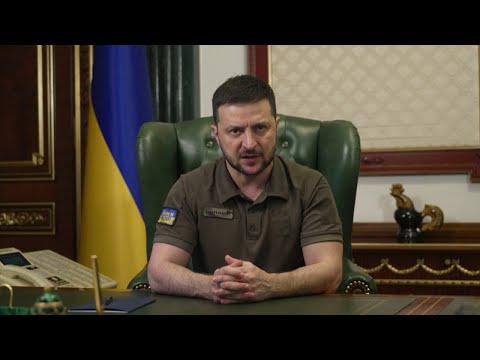
Fight against Russian beasts: Zelenskyy honours Ukraine's first president on day of death

Eurovision 2022: Ukraine among 10 to reach the final as world's biggest pop music contest kicks off

Germany's Scholz warns UK against 'unilateral' change to post-Brexit accord in Northern Ireland
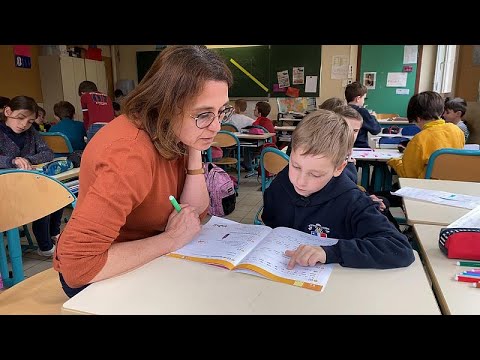
Fled the Russian terror of the war criminal Putin: France welcomes Ukraine's refugee children
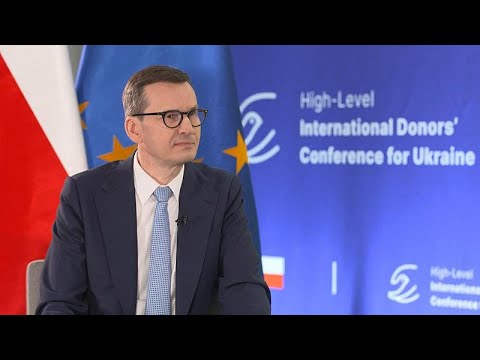
'This Russia is totalitarian, it's nationalistic, it's imperial', warns Poland's PM
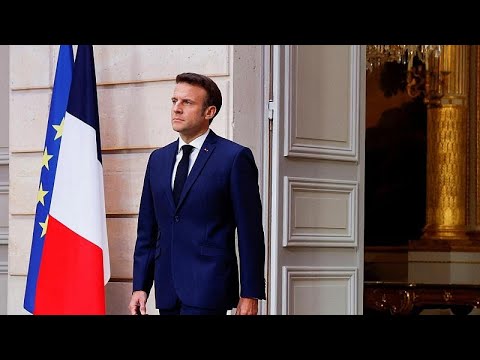
France: Emmanuel Macron (44) inaugurated as president for the second time
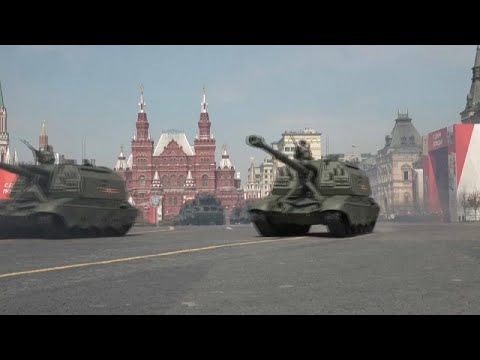
Russia and the perverted propaganda show for the "Victory Day" of Putin's Russian terror regime

'Water is light, light is art': Italian town illuminated by the inspiration of water
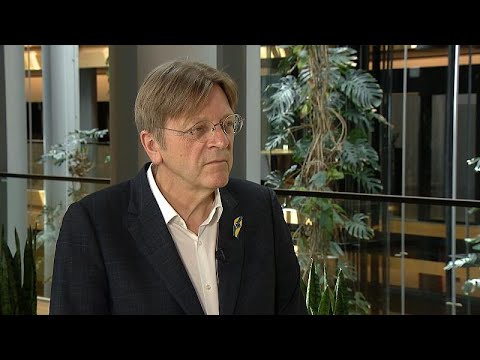
'People like Europe, they have a European dream', says MEP Guy Verhofstadt

US Supreme Court moving to overturn key abortion rights law, says leaked report
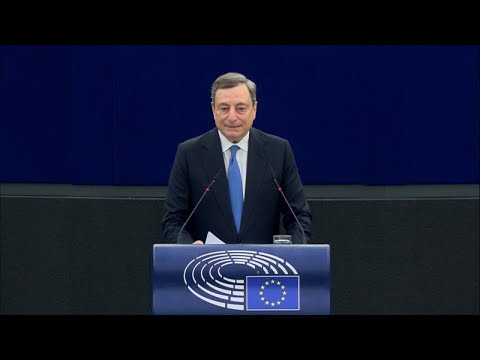
Albania and North Macedonia joining EU 'not a threat', says Italian PM