-
 إرشادات بشأن لماذا يستمر السعال بعد الإنفلونزا أطباء يكشفون طرق تخفيفه
-
Dortmund sink Stuttgart to climb to Bundesliga summit

-
 McIlroy two shots off the lead at Wentworth after eagle on 18
-
Trump says will not tolerate attempts to slow AI growth
-
 اتحاد الكرة يعرض تفاصيل موعد إنطلاق بطولة كأس الألف شهيد في غزة
-
Martinez brace saves Inter in Serie A top-two clash with Roma

-
 'It has to stop': runners protest women's murders in S.Africa district
-
Rosenior abused but guides Paris FC past old club Strasbourg

-
 تقرير حول مكتب الإعلام الدولي في دولة قطر يرد على الادعاءات الكاذبة والتقارير الملفقة في وسائل الإعلام الإسرائيلية
-
تقرير حول موهبة مانشستر يونايتد في برشلونة للتفاوض

-
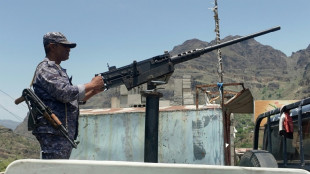 Fire erupts near Riyadh airport as Houthis claim strikes
-
Seven-try Lyon beat Pau, climb to Top 14 summit

-
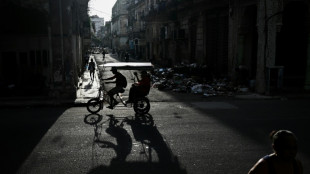 Cuba works to restore power after another blackout
-
تقرير حول ليسلم نفسه للاحتلال معتقل منذ 2007 في سجون السلطة

-
 Brighton defeat a 'big lesson' against complacency for Arsenal, says Arteta
-
سيول تجدد تأكيد لواشنطن عزمها المساهمة في استعادة حرية الملاحة بمضيق هرمز

-
 تقرير حول مجلس الأمن يدين «بأشد العبارات» هجمات الحوثيين المستمرة على المملكة ويؤكد حقها الأصيل في الدفاع عن النفس
-
England thrash Sri Lanka again to return to top of T20 rankings

-
 Thousands protest inaction over climate crisis in Switzerland
-
ملياردير روسي موّل جانباً من زفاف نجل ترمب... والرئيس الأميركي يجدد تأكيد سداد الأموال

-
 Arsenal thrashed by Brighton, sorry Spurs lose again
-
تقرير حول سوريا: توقيف ضباط سابقين يُشتبه بمسؤوليتهم عن غارات جوية خلال عهد الأسد

-
 Carapaz out of cycling world championships
-
ملف خادم الحرمين يوجه بناءً على ما رفعه ولي العهد بإطلاق اسم الأمير مساعد بن عبدالرحمن على الجامعة السعودية الإلكترونية

-
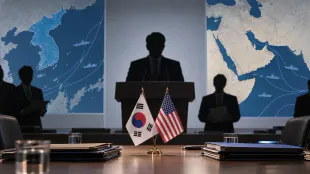 تقرير حول سيول: تصريح الرئيس حول عدم التدخل في الحرب ليس رفضاً لطلب ترمب بشأن هرمز
-
South Korea, Austria qualify for Davis Cup finals

-
 مشهد سمير سرياني لـ«الشرق الأوسط»: أحضّر لفيلم لبناني اجتماعي يتناول همومنا بقالب كوميدي
-
'Fragile' Tottenham beaten by Aston Villa despite late rally

-
 Seare shocks Ingebrigtsen to win world 5km gold
-
Mourinho hails Real Madrid grit before Atletico derby clash

-
 ملف البنيان: تسمية الجامعة السعودية الإلكترونية باسم «الأمير مساعد بن عبدالرحمن» تُجسّد عناية القيادة بالتعليم وتكريم رجالات الدولة
-
Brigitte Bardot widower slams sale of star's belongings

-
 Martin wins Austrian MotoGP sprint after Acosta crash
-
Aston Villa compound Tottenham's misery despite late rally

-
 Japan edge Fiji to win Pacific Nations Cup
-
حصيلة من يملك جسد اللاعب ورسائله؟ قميص سبتة يتحول إلى نقاش أكبر من السياسة

-
 تقرير حول وصول حرب أوكرانيا إلى القطب الشمالي ينذر بتصاعد التوتر بين القوى النووية
-
Asian Games offer 'deepest apologies' for South Korea anthem blunder

-
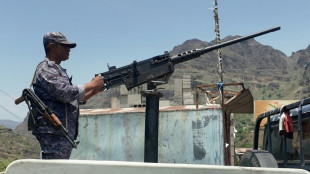 Black smoke, flames rising near Riyadh airport: residents to AFP
-
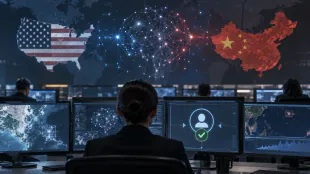
تطورات "سي أن أن": تقرير بالذكاء الاصطناعي كاد يشعل حرباً بين أميركا والصين
-
 قراءة في مجلس شباب «موانئ دبي العالمية» يناقش دور الخبرات والأفكار في تحسين العمليات
-
Inter Milan and Italy icon Mazzola dies aged 83

-
 تقرير حول وفد باكستاني إلى إيران قريباً لكسر جمود المفاوضات واحتواء التوتر في اليمن
-
UK actor Naomi Watts honoured at Spain film festival

-
 قراءة في 1000 تاجر جزائري فقط يعتمدون الدفع الإلكتروني
-
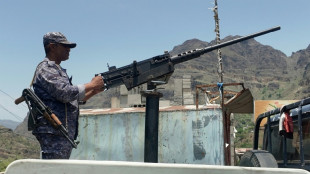
Saudi capital issues first air raid alert since renewed fighting in Yemen
-
 Japan emperor declares Asian Games open after turbulent build-up
-
Martin edges title rival Marquez for Austrian MotoGP pole

-
 Asian Games open with unity message after troubled build-up
-
Indonesia accepts Malaysia's help to tackle wildfires
Hidden Cartel crisis in USA
Organised crime in the Americas is dominated by drug‑trafficking cartels that have grown ever richer and more violent. Public debate often focuses on border security and cross‑border smuggling, yet there are deeper, largely unspoken dynamics that underpin the cartel problem. These include the international supply chain for synthetic drugs, sophisticated money‑laundering networks, cybercrime operations and the complicity of domestic gangs. Understanding these hidden dimensions is essential for any realistic attempt to stem the flow of drugs and violence.
A lethal wave of synthetic drugs
The most pressing concern in the United States is the synthetic opioid fentanyl, which has become the deadliest drug in the country. In 2023 fentanyl‑related overdoses claimed around seventy‑five thousand lives and the economic cost of opioid deaths and addiction was estimated at about $2.7 trillion. A dose of two milligrams can kill an adult, and a single gram can be lethal to five hundred people. Despite increased seizures at ports and border crossings, the drug is usually trafficked in small consignments; the median fentanyl seizure in 2024 was just over a kilogram, but each packet holds tens of thousands of lethal doses.
China banned the manufacture of fentanyl variants in 2019, but Chinese companies remain the primary suppliers of the precursor chemicals needed for fentanyl production. These substances are shipped from ports such as Hong Kong to Mexican ports like Lázaro Cárdenas and Manzanillo, where cartel groups collect them. Two Mexican organisations, the Sinaloa cartel and the Jalisco New Generation cartel, dominate the production of fentanyl for the U.S. market. U.S. law enforcement notes that four‑fifths of individuals arrested for fentanyl trafficking are American citizens, which underscores the domestic dimension of the crisis.
Money laundering and Chinese networks
Cartels rely on complex financial operations to move billions of dollars in proceeds. Recent enforcement actions reveal a growing partnership between Mexican cartels and Chinese money‑laundering organisations. These brokers offer low commissions and anonymity through the use of social‑media apps and cryptocurrencies; they settle transactions via WeChat and blockchain without leaving paper trails, making it harder for authorities to interdict funds. Payments to Chinese companies for drug precursors have reportedly risen by roughly 600 percent between 2022 and 2023. Investigations show that a vast majority of Chinese precursor manufacturers accept cryptocurrency, mainly Bitcoin and Tron, and there has been a significant increase in the use of Ethereum for these payments.
Chinese money‑laundering cells are typically small, family‑run operations that nonetheless handle enormous sums. They now provide services not only to Mexican cartels but also to European mafia groups. The cross‑border flow of funds is thus both global and decentralised, using technology to hide transactions from law enforcement. This reality challenges the common narrative that cartel profits are mainly funnelled through traditional banking systems.
Corruption and heavy arms
Another overlooked element is the source of the cartels’ weaponry. It is widely assumed that American firearms fuel cartel violence, but much of the heavy arsenal used by cartels—machine guns, rocket‑propelled grenades and shoulder‑launched missiles—is not sold in U.S. gun shops. Intelligence experts report that these weapons are acquired through corruption in Mexico’s security forces. The diversion of military stockpiles in Mexico and Central America gives cartels access to war‑grade arms, amplifying their firepower while complicating efforts to demilitarise the conflict.
Corruption also permeates government institutions. Former Mexican defence minister Salvador Cienfuegos and ex‑security chief Genaro García Luna were accused of aiding the Sinaloa cartel. This corruption allows cartels to operate with impunity, undermines public trust and complicates international cooperation. It also explains why direct military intervention by the United States is fraught with risks; any operation would have to distinguish between reliable partners and corrupt officials who may leak intelligence to the enemy.
The rise of cyber‑cartels
Beyond drug smuggling and violence, cartels increasingly exploit digital technologies. Organised crime groups in Mexico have embraced cybercrime, buying malware kits and network access from the burgeoning “cybercrime‑as‑a‑service” marketplace. These so‑called cyber‑cartels use dark‑web markets and cryptocurrency to launder money and sell drugs anonymously. One group hacked banking systems to steal over $15 million, proving that cartels are no longer confined to street violence.
The threat extends to personal security. Investigative reports describe how cartels access government intelligence platforms, such as a database that aggregates voter records, phone logs and credit‑bureau data. Cartels allegedly purchase this access on the black market, enabling them to geolocate rivals and disappear them without leaving traces. Such capabilities highlight the convergence of organised crime and cyber espionage, suggesting that cartel violence could be complemented by doxxing campaigns or attacks on critical infrastructure if provoked.
Cartels and domestic gangs
Within the United States, the cartel problem is not restricted to border areas. Federal investigations reveal that transnational criminal organisations have formed alliances with domestic gangs. More than six thousand active gang investigations are under way, and there are roughly 6,000 cases targeting cartel leadership. Groups such as the 18th Street gang, the Mexican Mafia, the Bloods and the Crips partner with cartels to distribute drugs, launder money and carry out acts of violence. These partnerships underscore that the cartel business model relies on local networks for sales, enforcement and logistics, making it as much a domestic issue as an international one.
Government responses and enduring challenges
The U.S. government has responded to cartel expansion with new institutions and sanctions. The formation of the Counter Cartel Coordination Centre and the creation of Homeland Security task forces have led to thousands of arrests and significant drug seizures. Financial sanctions, such as designating the La Línea organisation under anti‑narcotics authorities, aim to disrupt the revenue streams of violent cartels. Moreover, Washington has pressed Beijing to curb precursor exports; cooperation resumed in late 2023 after a period of diplomatic strain.
Despite these efforts, experts caution that enforcement alone will not solve the crisis. Sustainable solutions require reducing domestic demand through addiction treatment and education, as well as investing in economic opportunities in Mexico to offer alternatives to the illicit economy. Without addressing root causes, a heavy‑handed approach risks sparking retaliation; cartels could use their cyber capabilities to sow panic or target critical infrastructure in response.
Towards a nuanced understanding
The cartel problem no one talks about in the United States is not a single issue but an interlocking system. It begins with precursor chemicals shipped from East Asia, is financed through crypto‑laundered transactions and relies on corrupt officials and domestic gangs. Cartels have adapted to the digital age, developing cyber‑crime capabilities and exploiting government databases to intimidate rivals and undermine public trust. While American political debates often focus on building walls and militarising the border, the more difficult task is confronting the underlying networks that make cartels resilient.
To address this hidden crisis, policy must extend beyond border security. It should encompass international cooperation to control chemical precursors, financial regulation to disrupt crypto‑based laundering, measures to root out corruption within security services and cyber‑security initiatives to prevent cartels from acquiring sensitive data. Above all, demand reduction through treatment and economic development both in the United States and Mexico remains indispensable. Recognising these unseen dimensions is the first step toward crafting a strategy that can stop the lethal tide of fentanyl and weaken the cartels’ hold on the hemisphere.

Iraq vs. Iran – The end?
Japan's financial precipice
Europe’s arms money maze

Israel riled by US-Iran pact

Red sea gambit with Eritrea

Fentanyl trade unravels
Trump's US support for Ukraine and China?

Planning a wellness break? Poland!

Studio Kremlin: creative co-working in Paris

Culture: Serbia’s architectural marvels

EU Residence permits: Record level to third nationals