-
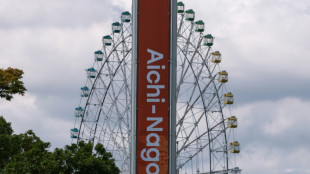 Asian Games offer 'deepest apologies' for South Korea anthem blunder
-
Black smoke, flames rising near Riyadh airport: residents to AFP
-
 تطورات "سي أن أن": تقرير بالذكاء الاصطناعي كاد يشعل حرباً بين أميركا والصين
-
قراءة في مجلس شباب «موانئ دبي العالمية» يناقش دور الخبرات والأفكار في تحسين العمليات

-
 Inter Milan and Italy icon Mazzola dies aged 83
-
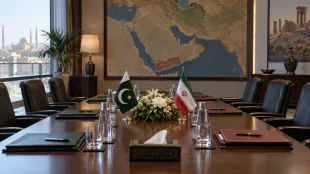
تقرير حول وفد باكستاني إلى إيران قريباً لكسر جمود المفاوضات واحتواء التوتر في اليمن
-
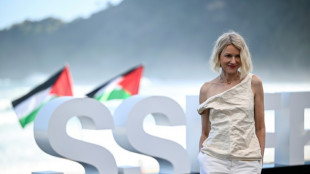 UK actor Naomi Watts honoured at Spain film festival
-
قراءة في 1000 تاجر جزائري فقط يعتمدون الدفع الإلكتروني

-
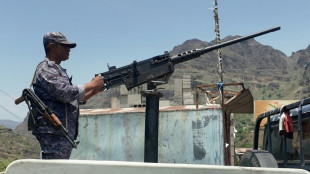
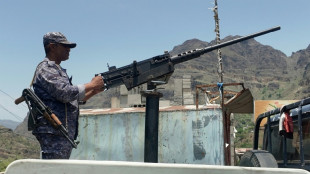 Saudi capital issues first air raid alert since renewed fighting in Yemen
-
Japan emperor declares Asian Games open after turbulent build-up

-
 Martin edges title rival Marquez for Austrian MotoGP pole
-
Asian Games open with unity message after troubled build-up

-
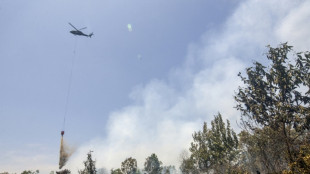 Indonesia accepts Malaysia's help to tackle wildfires
-
Denmark hails 'binding' Greenland deal with Trump
-
 Indians living in Japan on stand-by to house Asian Games athletes
-
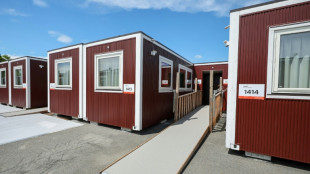
We don't want Games host Japan losing money, says Asian Olympic official
-
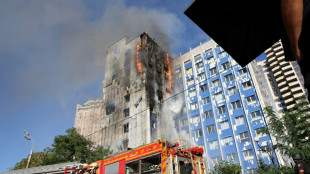 Trump signs bill authorizing sweeping Russia sanctions
-
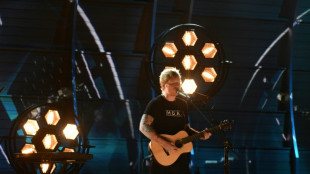
Ed Sheeran returns to stage after Palestinian controversy
-
 Protesters form human chain at Kennedy Center after Trump threat
-
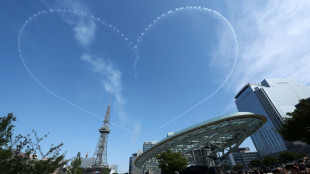
Asian Games to open in Japan after troubled build-up
-
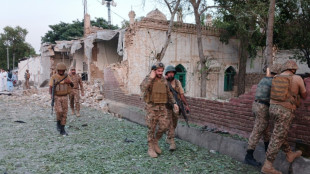 Death toll from attack at police HQ in Pakistan rises to 31
-
Drone owners rush to offload devices ahead of Beijing ban

-
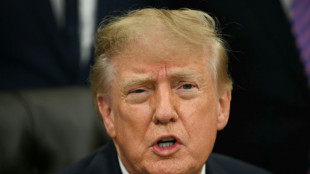 Trump says Denmark to give US 'permanent control' over Greenland security
-
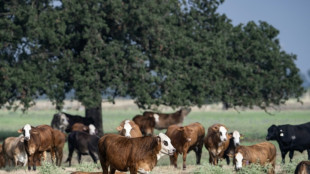
Trump's beef policies irk Texas ranchers, testing their loyalty
-
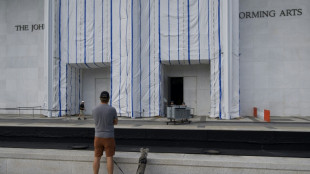 Kennedy Center: future unclear for iconic Washington arts hub
-
Nvidia, OpenAI CEOs to attend Xi dinner at White House

-
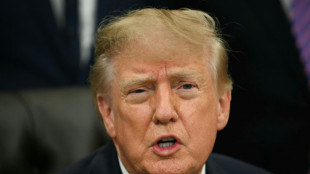 Trump claims 'infinite' Greenland security deal with Denmark
-
Anthropic picks Accenture for in-house AI safety evaluation

-
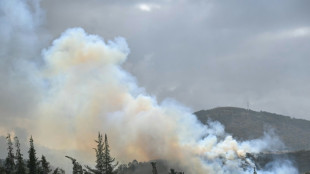 Helicopters battle wildfire threatening Ecuador's capital
-
Balogun returns as Monaco beat Lens to continue strong Ligue 1 start

-
 Brentford batter Chelsea to undo Alonso's promising start
-
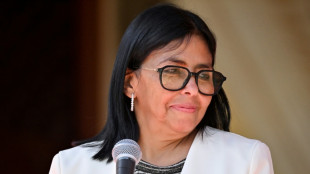
'Pause' on overt repression in Venezuela, but reforms still needed: HRW
-
 Kane hits Bundesliga century as Bayern rout Union
-
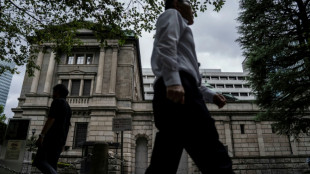
Global stocks mixed as yen falls despite Bank of Japan rate hike
-
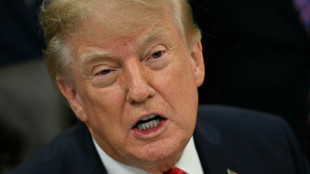 Trump says CNN, MS NOW, Politico banned from White House
-
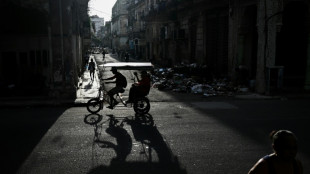
Cuba hit with seventh major blackout of the year
-
 Hushing and hedging: US companies retreat on climate
-
Murray out with concussion so Wentz will start for Vikings

-
 Springboks to face Fiji before 2027 Rugby World Cup
-
UN chief 'deeply regrets' US visa refusal to Abbas for annual meeting

-
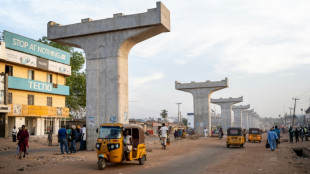 Nigeria miners struggled to breathe in cell before 37 died: survivors
-
England quick Carse to face no charges over alleged nightclub assault

-
 McIlroy on the charge at PGA Championship as Reed withdraws
-
Mancini brings nine newcomers into the first squad of his Italy comeback

-
 McIlroy on the charge at PGA Championship
-
Czechs level Davis Cup tie against USA as South Korea eye Finals

-
 Crisis-wracked Volkswagen warns of 10-bn-euro hit to profits
-
New France boss Zidane confirms Mbappe as captain after naming first squad

-
 Costa Rica's Grynspan tops third informal poll for UN chief: diplomat
-
California governor signs order to explore AI 'kill switch'
Australian economy Crisis
Australia is facing a suite of troubling economic trends. Growth is slowing, prices are rising and people’s living standards are slipping. Despite a headline unemployment rate that remains around 4.3 %, officials warn that the economy may be trapped in a slow‑growth, high‑inflation environment unless investment and productivity improve. Households are feeling the strain as wages fail to keep pace with costs and the housing market becomes increasingly inaccessible.
Official national accounts show that the economy grew by only 0.6 % in the June 2025 quarter and by 1.3 % over the year; the terms of trade fell and the household saving ratio slid to 4.2 %. Living cost indexes rose between 0.6 % and 1.5 % in the September quarter, with housing and recreation costs making the biggest contribution. Consumer prices increased 1.3 % in the September quarter and 3.2 % over the year, while wages grew only 0.8 % in the June quarter and 3.4 % annually. The resulting squeeze on household budgets is causing real incomes to stagnate.
Underlying inflation has accelerated to around 3 %, reflecting higher electricity, fuel and services prices. The September inflation pulse overshot forecasts and dashed hopes of a quick rate cut; electricity prices jumped 9 % in the quarter, holiday travel costs rose 2.5 % and local government charges climbed 6.3 %. Analysts note that real wages are unlikely to regain their 2011 purchasing power until the latter part of this decade.
Housing is the most visible symptom of the malaise. About one‑third of households rent, and median advertised rents have increased by roughly 48 % over the past decade; they rose 5.5 % between the first quarter of 2024 and the first quarter of 2025. More than 1.26 million low‑income households spend over 30 % of their disposable income on housing, including 44.5 % of mortgage holders and 20.5 % of renters. Median house prices have risen by 8.6 % in the past year, far outpacing incomes, and home values rose 1.1 % in October alone. Investor lending now accounts for two in every five new home loans, with the value of these loans rising 17.6 % and calls emerging for regulators to curb landlord credit growth. A government scheme allowing first‑home buyers to borrow with a 5 % deposit effectively grants buyers the equivalent of a $120 000 deposit on an $800 000 home; critics warn that this incentive fuels investor speculation and pushes up prices.
Mortgage stress is spreading. Research shows that 27.9 % of mortgage holders were at risk of stress in the three months to August 2025, with 17.9 % extremely at risk. Nearly one million Australians now work two or more jobs – 6.6 % of the employed population – because rising living costs and inflation are outpacing wage growth. Taking on additional employment has become a coping strategy for households trying to meet mortgage repayments and other bills.
Young Australians are particularly pessimistic. A national survey found that 85 % of young people experienced financial difficulty in the past year and almost four‑fifths believe they will be worse off than their parents. Fewer than half expect to own a home, and about 44 % have experienced unemployment while 60 % have endured underemployment. Poverty is widespread: more than one in seven people (14.2 %) and one in six children live below the poverty line, defined at 50 % of median after‑tax household income, and more than 57 % of low‑income renters are in housing stress. Rents in major cities have risen between 34 % and 41 % since 2021, deepening financial hardship.
Beneath the veneer of a modestly strong labour market lie deepening structural problems. Per‑capita economic output has contracted at various points over the past two years, and productivity growth has slowed. Officials acknowledge that without a revival of investment and productivity, the country risks a prolonged period of sluggish growth and persistent inflation. Rising housing costs, real wage stagnation, mortgage stress and youth pessimism all point to an economy that is leaving many behind. Unless these issues are addressed with urgency, something terrible will indeed continue to happen in the Australian economy.
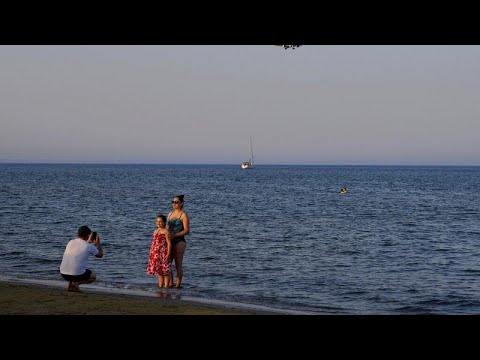
Russians are no longer welcome anywhere!
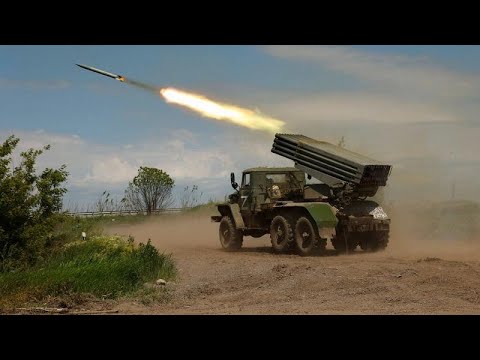
Evidence of the use of Russian terror munitions!
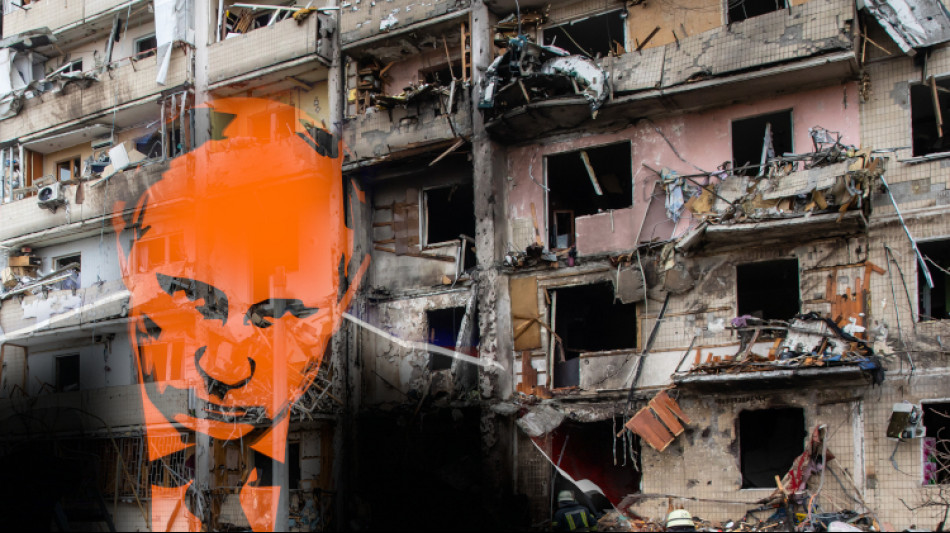
Why is the Russian war of terror in Ukraine hitting the European economy so hard?
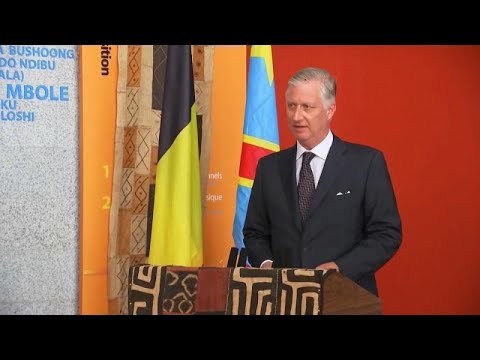
Belgian king reiterates regrets for colonial past in Congo
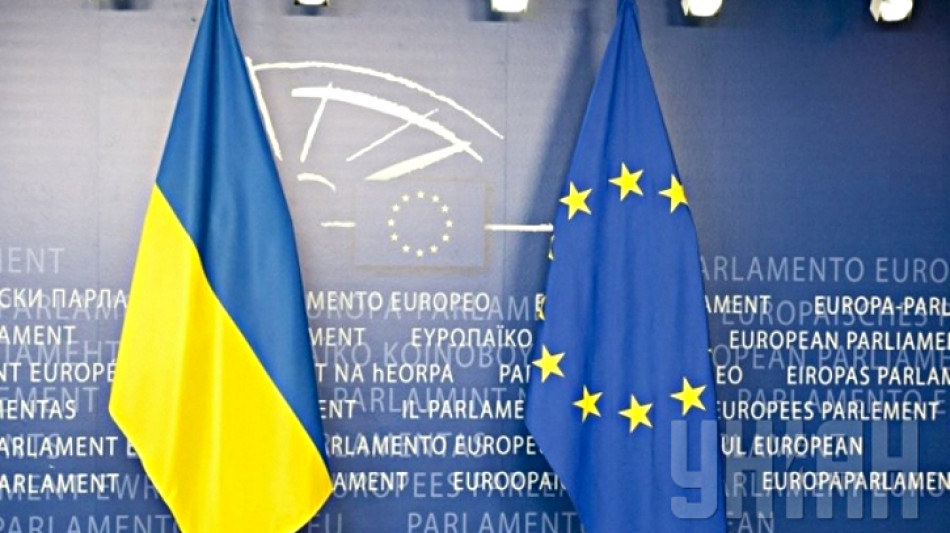
Ukraine should quickly become a member state of the EU!

Russia and its perverted lying propaganda, lies are Russia's new business!
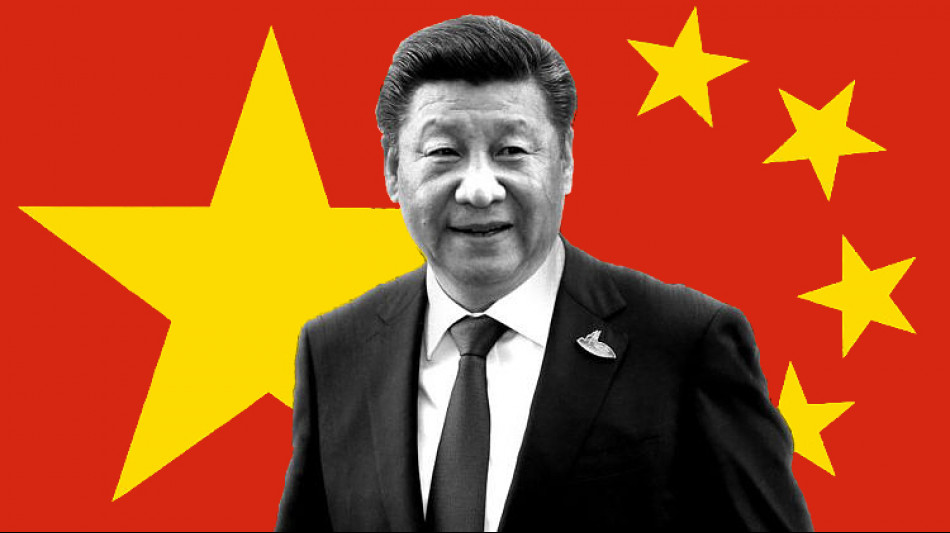
China tightens security to prevent Hong Kong commemorating Tiananmen protests
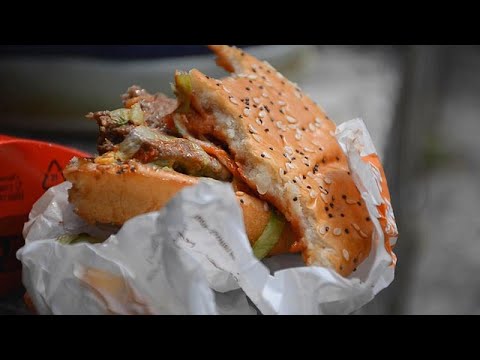
You are what you eat – and what you eat from: How industrial chemicals contaminate our bodies

Why an EU embargo on Russian gas might be a long way off

Airport queues could last into next summer if staffing issues aren't fixed, says top industry body

Danke Ukraine, Thanks Ukraine, Gracias Ucrania, Merci l'Ukraine