-
 Galloway accuser could not foresee publishing-sector fallout, lawyer argues
-
أزمة الإسكان في البرتغال: تصاعد الأسعار يعمق الانقسامات السياسية حول الحريات

-
 No. 22 UCLA defeats No. 5 Arizona 84-75 despite Kharchenkov's 38 points
-
New York City Center revives In the Heights as a timely community story

-
 Vessel operator seeks witnesses after Vancouver grounding
-
Godzilla Minus Zero shifts focus toward postwar human drama

-
 US Air Force deploys F-16 fighters to remote Aleutian base for readiness drill
-
Mehbooba Mufti urges dialogue and renewed Central Asia links for Kashmir

-
 Bezos grant helps Seattle nonprofit move thousands of families toward housing
-
Seacliff Healthcare Seeks Specialist GP in Thirroul

-
 Shrini Srivastava joins crew of Varanasi-Delhi Vande Bharat Sleeper service
-
US stocks fall before midterm Election Day as technology shares weaken

-
 Nearly Half of Australian Workers Overqualified, Survey Finds
-
BLS Polymers makes strong market debut at ₹248 per share

-
 RBI eases export-declaration compliance for individual service exporters
-
Petrol and diesel prices remain broadly steady across major Indian cities

-
 India proposes more import entry points for drugs and medical devices
-
Reliance shares remain in focus after near-12% surge

-
 Derek Tierney Outlines Ten-Year Strategy for National Digital Health System
-
2026 Arizona Midterms: Key Races, Ballot Measures, and Voter Deadlines

-
 NBC’s Steve Kornacki Reveals Tech Habits Ahead of Midterm Elections
-
Coal India prepares possible $1 billion Mahanadi Coalfields listing

-
 India and Israel oppose UN draft on regional conventional arms control
-
Julia Stiles and Ezra Sosa Share Emotional Farewell After 'DWTS' Elimination

-
 BLS Polymers shares open 65.3% above IPO price
-
US Buildings Threatened by Wildfires Could Triple by 2060

-
 Capital-markets shares rally as Motilal Oswal and Angel One lead gains
-
Why Pregnancy Cost Estimates Fail: A Family’s $9,000 Surprise

-
 Latino Voters Defy ICE Fears, Turn Out in Record Numbers for Midterms
-
US Strikes Iranian Targets in Strait of Hormuz Ahead of Midterms

-
 ITC shares rise as analysts anticipate gradual cigarette-business recovery
-
Brodeur’s Overtime Goal Secures Bethlehem’s Second Consecutive Sectional Title

-
 Reliance rally puts historical one-year return pattern in focus
-
Rare 1970 Plymouth ‘Cuda 426 Hemi Listed for $400,000

-
 Kuwait edges Oman 1-0 in veterans Gulf Cup in Doha
-
The Digital Burden: Why Instant Messaging Feels Like a Full-Time Job

-
 Saudi Aramco quarterly profit climbs 34.6% amid elevated oil prices
-
Alberta Tabled Controversial Riding Boundary Maps Amid Gerrymandering Accusations

-
 Washington reports movement in Iran negotiations aimed at preventing escalation
-
Hong Kong court set to sentence activist Joshua Wong in security case

-
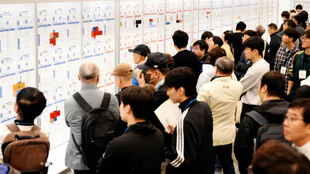 Korea’s Labor Share of GDP Hits Record Low Amid Semiconductor Boom
-
Australia raises benchmark rate to highest level in 18 years

-
 littlefish and Halo Dot Partner to Replace Payment Terminals with SoftPOS
-
'The Remarried Empress' Cast Discusses Bringing Fantasy Royal Drama to Life

-
 Kuwait inspectors destroy 115 kilograms of unverified meat in Farwaniya
-
Asian stocks retreat as AI worries outweigh steep oil-price drop

-
 Egypt Accelerates Construction of 341km Sinai Railway Linking Arish and Taba
-
Hamad International Airport stages emergency drills during WATAN 2026

-
 John Schneider Admits Owes Millions in 'Dukes of Hazzard' Divorce Battle
-
Global failure to punish attacks leaves journalists at continuing risk

A new vision for Japan
Sanae Takaichi’s election as prime minister in October 2025 has ushered in a historic and transformative period for Japan. She is the country’s first woman to hold the post and, with a small Conservative bloc in parliament, she must rely on cooperation from opposition parties to deliver her ambitious agenda. A protégé of the late Shinzo Abe and a keen admirer of Margaret Thatcher, she promised during her leadership campaign to reassert Japan’s economic might, strengthen national security and regain the trust of conservative voters lost to right‑wing rivals.
Reviving the economy through fiscal firepower
Takaichi’s economic agenda centres on aggressive public spending coupled with targeted tax cuts. Within days of taking office she began drafting a fiscal package worth more than ¥13.9 trillion, surpassing the stimulus enacted in the previous year. The package aims to cushion households from inflation, expand investment in growth industries and support national security. Among the key measures under discussion are the abolition of a provisional gasoline tax that has been in place since 1974, lifting the income tax exemption threshold from ¥1.03 million to ¥1.6 million and combining income tax deductions with cash benefits to provide relief without increasing headline tax rates.
A Growth Strategy Council has been established to steer these efforts. The panel will map out a medium‑term plan by next summer, identifying sectors such as artificial intelligence, semiconductors, shipbuilding, defence and telecommunications as priorities. Takaichi has already signalled her intention to invest roughly ¥1.7 trillion in Rapidus, Japan’s fledgling chipmaker, with the goal of tripling its overseas revenue by 2033. She has charged her ministers with developing domestic supply chains for semiconductors and AI and with supporting small and medium‑sized businesses through tax reforms and productivity‑boosting incentives. Her emphasis on “responsible and proactive fiscal policy” seeks to ensure that economic growth outpaces debt accumulation, even if the programme is financed through deficit bonds.
In addition to the stimulus package, Takaichi has pledged to transform Japan into a global asset‑management hub and to create a national disaster‑prevention agency. She advocates establishing a “secondary capital” outside Tokyo to decentralise government functions, and she has called for social security reforms to balance benefits and costs in an ageing society. Recognising that recovery from the Fukushima nuclear disaster remains incomplete, she instructed the new economy minister to prioritise reconstruction alongside growth initiatives. Energy policy features prominently in her plan: she wants Japan to leverage renewable energy and nuclear power to secure a decarbonised yet stable electricity supply.
Accelerating military modernisation
National security is another pillar of Takaichi’s platform. Breaking with decades of precedent, she intends to raise defence spending to 2 per cent of gross domestic product by the end of March 2026 — two years ahead of the timetable set by her predecessor. This acceleration will require an extra trillion yen through a supplementary budget and marks Japan’s largest defence build‑up since the Second World War. Her government has already begun revising the National Security Strategy, National Defence Strategy and Defence Buildup Programme to reflect the changing security environment, citing Russia’s invasion of Ukraine, regional conflicts in the Middle East and heightened pressure from China and North Korea.
The new administration’s alliance with the Japan Innovation Party, which shares a hawkish stance on China, removes the moderating influence of the pacifist‑leaning Komeito and liberates her to pursue constitutional change. Takaichi is a long‑time advocate of revising Article 9 of the Constitution to acknowledge the Self‑Defence Forces and relax restrictions on arms exports. Her coalition partners have floated proposals for a nuclear‑sharing arrangement with the United States, a radical departure from Japan’s longstanding non‑nuclear principles. She hopes to deepen ties with Washington and has signalled she will quickly meet President Donald Trump to discuss ways to strengthen the bilateral alliance. In the face of calls from some U.S. officials to raise defence outlays to 3 or even 5 per cent of GDP, she is likely to present a package of purchases ranging from American vehicles and soybeans to natural gas and attract U.S. investment in Japanese industries. At the same time, she has pledged to maintain a constructive relationship with China and to work with South Korea, Australia and India to support a free and open Indo‑Pacific.
A tougher line on immigration and foreign ownership
Alongside her economic and security initiatives, Takaichi has placed immigration at the heart of her domestic agenda. Despite acknowledging the need for foreign labour to offset Japan’s demographic decline, she has vowed to “set limits” on the number of foreign workers admitted through programmes designed to address labour shortages. In an early ministerial meeting on foreign nationals she argued that public anxiety stems from rule‑breaking by a minority of foreigners and announced plans to deny visa renewals to those who fall behind on pension or health‑insurance contributions. She has also instructed ministers to examine tighter regulations on land purchases by foreign nationals, particularly Chinese investors, and to develop a population strategy by fiscal 2026 with numerical targets for foreign residents.
Takaichi’s cabinet includes a minister specifically responsible for economic security and harmonious coexistence with foreign nationals. This official, Kimi Onoda, has been tasked with coordinating immigration policy, enforcing compliance and examining regulations on property ownership. The prime minister insists that her approach is aimed at ensuring fairness rather than promoting xenophobia. Critics, however, argue that the rhetoric and policies reflect a broader nationalist turn within the ruling party. During the leadership race she built support by invoking isolated anecdotes to justify restrictions on foreigners, echoing the populist “Japanese First” platform championed by right‑wing groups. Opponents warn that such measures could undermine industries that rely on overseas labour and exacerbate social divisions.
Managing minority rule and foreign relations
The political context surrounding Takaichi’s premiership complicates the implementation of her agenda. Her coalition is two votes short of a majority in the lower house, compelling her to seek backing from centrist and opposition parties to pass budgets and constitutional amendments. While she enjoys strong approval ratings in the early days of her government, observers question whether she can sustain momentum when her spending plans face scrutiny over Japan’s already‑high public debt.
Diplomatically, Takaichi must balance her hawkish instincts with regional realities. She reaffirmed Japan’s commitment to supporting Ukraine, pledged to secure the return of citizens abducted by North Korea, and called China an important neighbour despite labelling its actions a security challenge. In a symbolic nod to regional sensitivities, she refrained from visiting the Yasukuni war shrine during the autumn festival, a move interpreted as an attempt to ease tensions with Beijing and Seoul. Nevertheless, her regular visits in the past and her hard‑line views on wartime history continue to evoke suspicion abroad.
Sanae Takaichi’s rise to Japan’s highest office brings a blend of economic populism, military assertiveness and cultural conservatism. Her vision seeks to rekindle growth through massive public investment while rewriting the rules that have governed Japan’s post‑war pacifism and demographic openness. Whether she succeeds in changing Japan forever will depend on her ability to steer her minority government through political turbulence, manage relations with powerful allies and competitors, and reconcile a rapidly ageing society with the demands of globalisation.

This Summer experiences Romania first heatwave
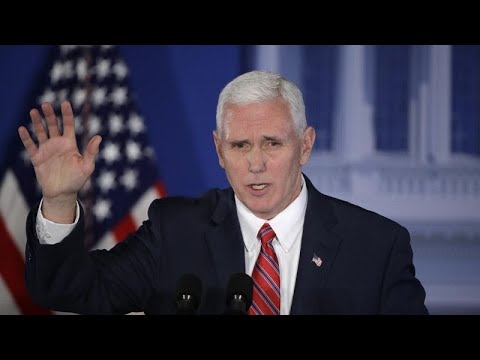
Mike Pence: U.S. will continue to support Ukraine

Activists organise "flotilla" with aid for Gaza

Holy souls on display at 2024 Venice Biennale

Brussels, my Love? EU-Market "sexy" for voters?

The great Cause: Biden-Harris 2024

Europe and its "big" goals for clean hydrogen

UN: Tackling gender inequality crucial to climate crisis

Scientists: "Mini organs" from human stem cells

ICC demands arrest of Russian officers

Putin and the murder of Alexei Navalny (47†)