-
 Obama blasts Trump's 'chaos and cruelty' while campaigning for Democrats
-
Jorge Martin out of Australian MotoGP with fracture: team
-
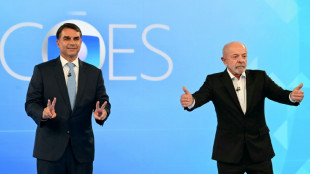
 Bolsonaro leads Lula in final Brazil election polls
-
Antonelli storms to US Grand Prix pole on weekend he can take title

-
 Antonelli storms to pole for US Grand Prix
-
Apologetic Alvarez fires Atletico to win against Deportivo

-
 Alvarez fires Atletico to win against Deportivo
-
Lens beat PFC in Ligue 1 matchday impacted by social unrest
-
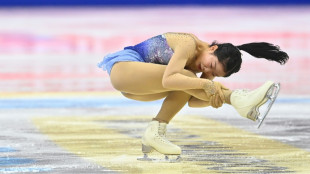 Japan's Nakai wins Grand Prix de France for second straight year
-
Valkyries hit back against Dream to level WNBA Finals

-
 Ronaldinho to make comeback in Italian third tier
-
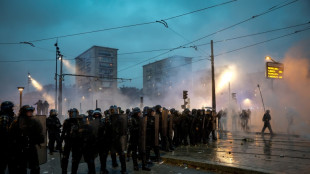
'Fighting for our rights': Paris protesters determined to march on
-
 Israeli forces displace Hebron families after deadly attack
-
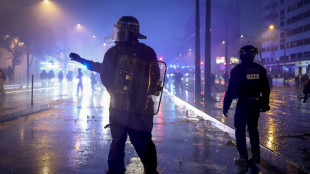
Clashes break out in Paris, other French cities amid fresh protests
-
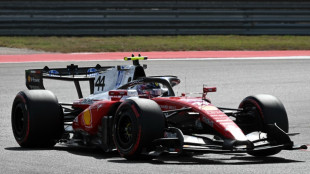 Hamilton on top with Antonelli fourth in final practice at US Grand Prix
-
Spurs seal rare win at Chelsea as Palmer sees red
-
 Beier late show sends Dortmund top of Bundesliga
-
Nearly 1,000 arrested in French protests marred by 'elevated' violence: minister
-
 Police and protesters clash again at Albanian anti-government rally
-
France extends detention of suspected racist shooter
-
 Arteta hails mentality as Arsenal go level with Man City
-
Andrade and Nemour star as Biles cheers at world gymnastics champs

-
 Clashes break out in Paris, other cities amid fresh protests
-
Nigeria's Tinubu defends record as economy bites ahead of election
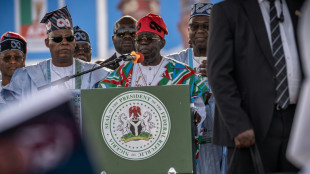
-
 Bouthier kicks Vannes to first Top 14 win of season
-
'Guiding star' Fuellkrug bags Bremen brace, Leipzig win

-
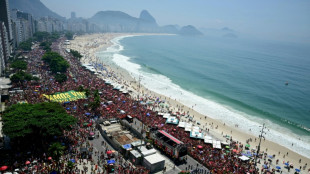 Thousands rally for Lula and Bolsonaro on eve of tight Brazil vote
-
Man City's perfect start ended by Aston Villa, Arsenal go joint-top

-
 Red-hot Fuellkrug bags Bremen brace, Leipzig win
-
Arsenal sink Everton to join Man City at Premier League summit

-
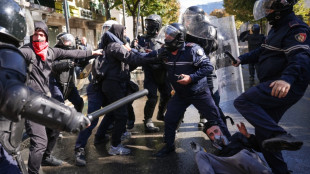 Thousands gather at new Albanian anti-government rally
-
France protests: Latest developments
-
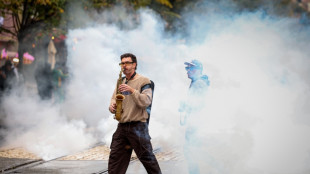
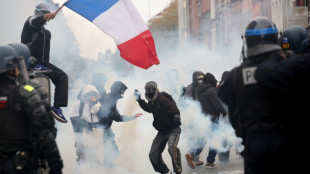 French police fire tear gas during fresh protests
-
French ice dancers Cizeron and Fournier make golden start to season

-
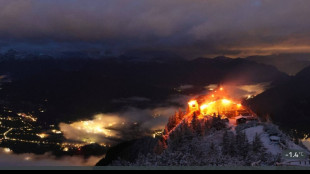 Suspect detained after fire wrecks Hitler's mountain retreat
-
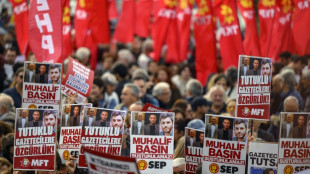
Thousands protest crackdown on media in Turkey
-
 Alexander Skarsgard and his viral 'Wicker' transformation
-
Brazil's Andrade returns to take vault gold at worlds

-
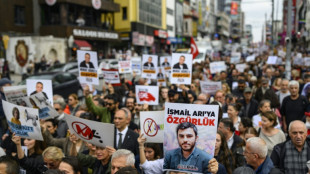 Thousands protest in Turkey over journalists' arrests, media shutdowns
-
Lula, Bolsonaro hold final rallies ahead of Brazil election
-
 Man City beaten by Aston Villa to end perfect Premier League start
-
Ukraine has 'stable connection' to Starlink: govt
-
 Luis Enrique says PSG unbothered by Lyon match switch
-
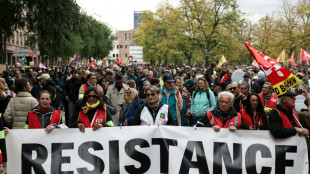
French protests kick off amid heavy security blanket
-
 US gymnast Richard wins floor exercise gold at worlds
-
250,000 rally in Madrid demanding state pension guarantees

-
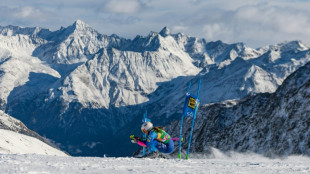 Moltzan upstages Shiffrin to win season-opening World Cup giant slalom
-
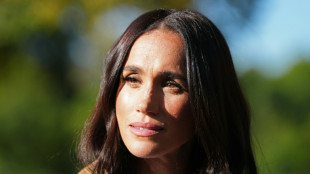
UK police says 'claims' over Meghan Markle's dad not sent to other law enforcement
-
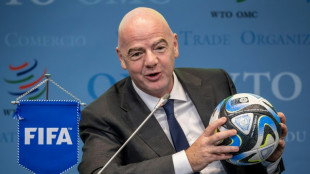 Infantino says backed by 'vast majority' in bid for re-election
-
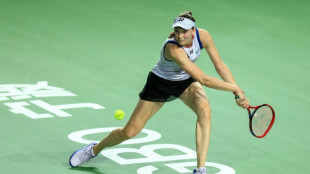
Top-ranked Rybakina to face Fernandez for Ningbo title
How Swiss Stocks tamed Prices
How Switzerland used equity-backed reserves to keep prices in check - Switzerland’s recent inflation performance is striking by any international standard. While much of the developed world grappled with price rises far above target, Swiss consumer-price inflation has been brought back to muted rates and, at times, hovered close to zero. The country did not stumble upon a miracle cure. Rather, it relied on an institutional playbook that blends a credible inflation target, a strong and freely moving currency—and, crucially, a uniquely structured central‑bank balance sheet in which roughly a quarter of foreign‑exchange reserves is invested in global equities.
At the heart of the Swiss approach lies the exchange‑rate channel. For more than a decade the Swiss National Bank (SNB) accumulated very large foreign‑currency reserves to manage excessive upward pressure on the franc. Those reserves are diversified across currencies and asset classes, with a deliberately significant allocation to equities managed on a passive, market‑neutral basis. Building a portfolio that earns an equity risk premium over time was not an end in itself; it was a way to improve the risk‑return profile of the reserves while maintaining ample firepower for currency operations.
That firepower proved pivotal when global energy and goods prices surged. In 2022 and 2023 the SNB shifted stance and used its reserves in the opposite direction—selling foreign currency to allow a measured appreciation of the franc. A stronger franc lowers the local‑currency price of imported goods and services, damping inflation via “imported disinflation”. Because the reserves had been amassed in earlier years, and because a sizeable slice was in equities that tended to deliver solid returns over time, the central bank could act decisively without jeopardising balance‑sheet resilience.
The portfolio structure also matters for confidence. An equity share—held broadly across markets and sectors, with exclusions on ethical grounds and with no investments in Swiss companies—signals that the reserves are not a dormant hoard but a well‑diversified buffer aligned with long‑run value preservation. When equity markets rose strongly in 2024, gains on those holdings (alongside gold and currency effects) replenished the central bank’s financial buffers. That, in turn, reinforced the credibility of policy at precisely the moment when keeping inflation expectations anchored was most important.
None of this should be mistaken for the SNB “using the stock market” as its primary inflation tool. Monetary policy still rests on an explicit price‑stability objective, a conditional inflation forecast and the policy rate. Indeed, as inflation returned to the target range, the policy rate could be reduced again in 2024–2025. But the equity‑backed reserves shaped the backdrop: they made it easier to tighten monetary conditions through the exchange rate when prices were accelerating, and they underpinned confidence in subsequent easing once inflation receded.
Switzerland’s low and recently near‑zero inflation cannot be ascribed to reserves alone. The country’s energy mix and regulated price components dampened the direct pass‑through from global fuel shocks; the consumption basket assigns a smaller weight to energy than in many peers; and the franc’s safe‑haven status consistently mutes imported price pressures. What distinguishes the Swiss case is how these structural features were complemented by an ample, well‑diversified reserve portfolio—including global equities—that allowed timely foreign‑exchange operations without calling market confidence into question.
The lesson is not that every central bank should load up on shares. Institutional mandates, legal frameworks, market depth and exchange‑rate regimes differ widely. Rather, Switzerland shows that, for a small open economy with a safe‑haven currency, a disciplined, transparent reserve strategy—one that tolerates equity exposure while avoiding conflicts of interest at home—can support the nimble use of the exchange‑rate channel. In the inflation shock of recent years, that combination helped bring prices back under control.
As of late summer 2025, Switzerland’s inflation remains subdued and close to the midpoint of its price‑stability range. The franc is firm, policy is data‑driven, and the central bank’s balance sheet—anchored by highly liquid bonds and a passive equity allocation—retains the flexibility to lean against renewed price pressures or, if conditions warrant, to cushion the economy. Switzerland did not “magic away” inflation by buying shares; it designed a balance sheet that could do its day job when it mattered.

Ukrainian President Volodymyr Zelenskyy addresses the Danish Parliament

Переговоры у турецкого диктатора Эрдогана: Россия и Украина пытаются договориться...

Всемирная помощь украинским беженцам от террористической войны России в Украине

Help for refugees arriving in Moldova and Poland from Russian terror in Ukraine
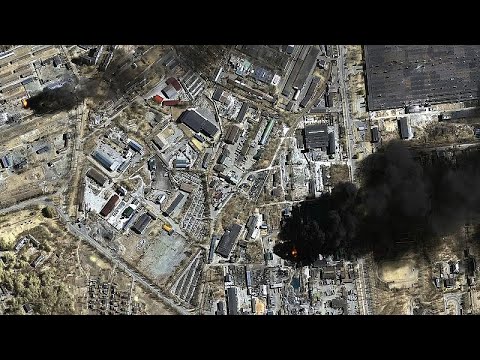
Ukraine war: Russian Terror-Forces enter Slavutych and seize hospital
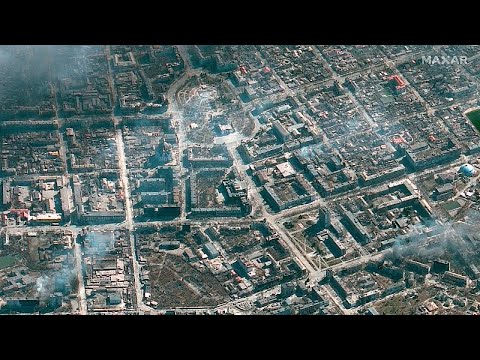
Russian war crime: 300 dead in Russian terror bombing in Mariupol theatre

Военные преступления России в Украине: половина детей потеряла свои дома!
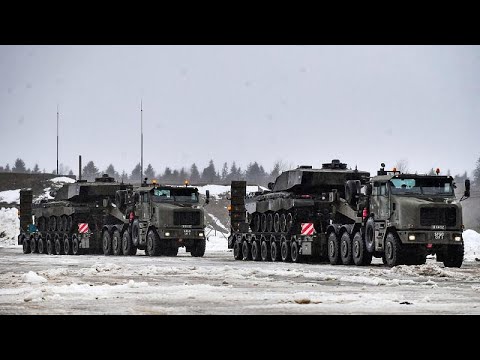
Ukraine war: NATO agrees on "substantial increase" of forces in Eastern Europe, says Stoltenberg
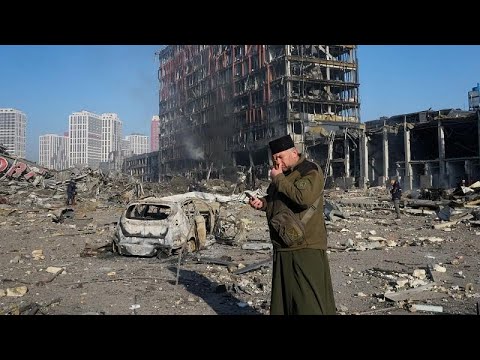
Ukraine war: US finds Russian troops have committed war crimes
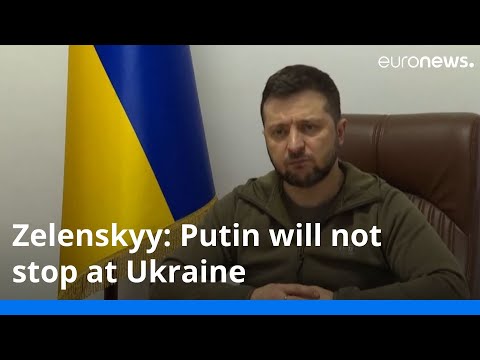
Zelenskyy warns EU: Russia will not stop in Ukraine
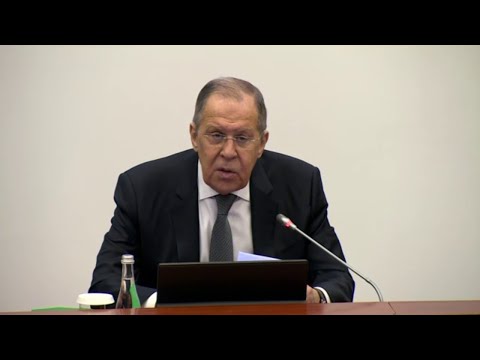
Russian war criminal Sergey Lavrov whines as a criminal about his own lies