-
 Musk accuses Ukraine of violating Starlink's terms of service
-
'Tech debt coming due': AI-found flaw signals chaos ahead
-
 Fed expected to hold rates steady days ahead of US midterms
-
Stop-motion 'Wildwood' showcases 'human creativity' in AI age

-
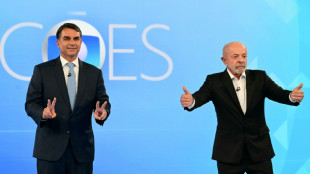
 More Lula, or back to the Bolsonaros? Brazil votes in cliffhanger
-
Obama blasts Trump's 'chaos and cruelty' while campaigning for Democrats
-
 Jorge Martin out of Australian MotoGP with fracture: team
-
Bolsonaro leads Lula in final Brazil election polls
-
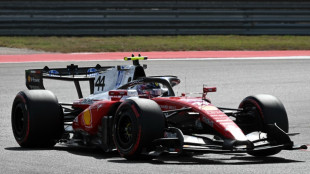
 Antonelli storms to US Grand Prix pole on weekend he can take title
-
Antonelli storms to pole for US Grand Prix

-
 Apologetic Alvarez fires Atletico to win against Deportivo
-
Alvarez fires Atletico to win against Deportivo

-
 Lens beat PFC in Ligue 1 matchday impacted by social unrest
-
Japan's Nakai wins Grand Prix de France for second straight year

-
 Valkyries hit back against Dream to level WNBA Finals
-
Ronaldinho to make comeback in Italian third tier

-
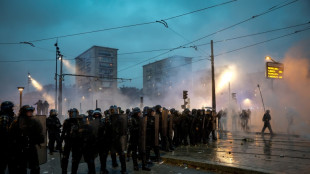 'Fighting for our rights': Paris protesters determined to march on
-
Israeli forces displace Hebron families after deadly attack

-
 Clashes break out in Paris, other French cities amid fresh protests
-
Hamilton on top with Antonelli fourth in final practice at US Grand Prix
-
 Spurs seal rare win at Chelsea as Palmer sees red
-
Beier late show sends Dortmund top of Bundesliga

-
 Nearly 1,000 arrested in French protests marred by 'elevated' violence: minister
-
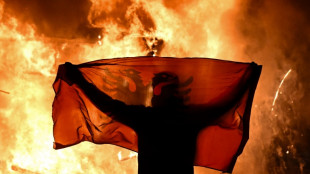
Police and protesters clash again at Albanian anti-government rally
-
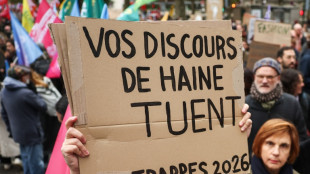 France extends detention of suspected racist shooter
-
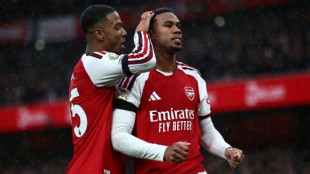
Arteta hails mentality as Arsenal go level with Man City
-
 Andrade and Nemour star as Biles cheers at world gymnastics champs
-
Clashes break out in Paris, other cities amid fresh protests

-
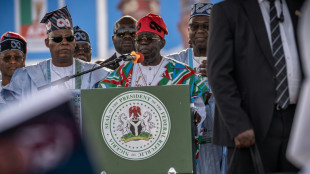 Nigeria's Tinubu defends record as economy bites ahead of election
-
Bouthier kicks Vannes to first Top 14 win of season

-
 'Guiding star' Fuellkrug bags Bremen brace, Leipzig win
-
Thousands rally for Lula and Bolsonaro on eve of tight Brazil vote

-
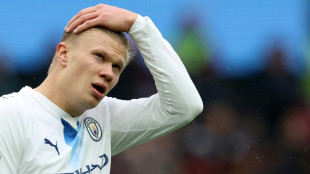 Man City's perfect start ended by Aston Villa, Arsenal go joint-top
-
Red-hot Fuellkrug bags Bremen brace, Leipzig win

-
 Arsenal sink Everton to join Man City at Premier League summit
-
Thousands gather at new Albanian anti-government rally
-
 France protests: Latest developments
-
French police fire tear gas during fresh protests
-
 French ice dancers Cizeron and Fournier make golden start to season
-
Suspect detained after fire wrecks Hitler's mountain retreat

-
 Thousands protest crackdown on media in Turkey
-
Alexander Skarsgard and his viral 'Wicker' transformation

-
 Brazil's Andrade returns to take vault gold at worlds
-
Thousands protest in Turkey over journalists' arrests, media shutdowns
-
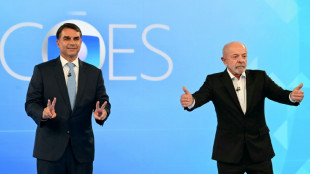 Lula, Bolsonaro hold final rallies ahead of Brazil election
-
Man City beaten by Aston Villa to end perfect Premier League start

-
 Ukraine has 'stable connection' to Starlink: govt
-
Luis Enrique says PSG unbothered by Lyon match switch

-
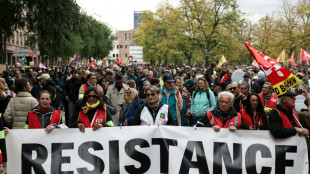 French protests kick off amid heavy security blanket
-
US gymnast Richard wins floor exercise gold at worlds

France's debt is growing
France is facing an unprecedented financial challenge. With public debt exceeding €3.2 trillion, representing more than 110% of gross domestic product (GDP), the eurozone's second-largest economy is on a dangerous path. The budget deficit is around 5.5% of GDP and is expected to rise to over 6% this year. These figures significantly exceed EU targets, which allow a maximum deficit of 3% and a debt ratio of 60% of GDP. The financial markets are becoming increasingly nervous, and interest rates on French government bonds are climbing to record levels. What has led to this debt chaos, and how can France avoid the looming abyss?
The roots of the crisis run deep. For decades, France has had a relaxed attitude towards debt, which differs from the strict budgetary discipline of other countries such as Germany. During the coronavirus pandemic and the energy crisis resulting from the war in Ukraine, the government pumped billions into the economy to support households and businesses. Subsidies for electricity prices and generous social benefits kept the economy stable but led to a sharp rise in debt. Since 2017, when President Emmanuel Macron took office, public debt has grown by almost one trillion euros. Critics accuse the government of delaying necessary structural reforms, while the government's spending ratio is just under 60% of GDP – one of the highest in the world.
The political situation is exacerbating the crisis. Following early parliamentary elections in the summer of 2024, parliament is fragmented and majorities are difficult to form. Prime Minister François Bayrou, who has been in office since autumn 2024, has presented an ambitious austerity programme to reduce the deficit to below 3% by 2029. The measures include the abolition of two public holidays, a freeze on pensions and social benefits, the elimination of 3,000 civil service jobs and higher taxes on high incomes. However, these plans are meeting with fierce resistance. The right-wing nationalist party Rassemblement National and left-wing parties are threatening votes of no confidence, which could bring down Bayrou's government. His predecessor, Michel Barnier, was forced to resign after only three months in office when his draft budget failed.
The financial markets are watching the situation with suspicion. Interest rates on French government bonds are now exceeding those of Greece in some cases, which is an alarming sign. France spends around 50 billion euros a year on debt servicing alone, and the trend is rising. Experts warn that this figure could climb to between 80 and 90 billion euros by 2027, making investment in education, infrastructure and climate protection virtually impossible. Rating agencies such as S&P and Moody's still rate France's creditworthiness as solid, but have threatened downgrades if the deficits are not reduced.
The crisis also has European dimensions. France is systemically important for the eurozone, and an uncontrolled rise in debt could jeopardise the stability of the single currency. Unlike the Greek debt crisis in 2008, when rescue funds were used, a bailout package for France would be almost impossible to finance. The EU has launched disciplinary proceedings against France to exert pressure for budget consolidation, but political instability is hampering reforms.
What can France do? Bayrou's austerity plans are a first step, but their implementation is uncertain. Tax increases are politically sensitive, as France already has one of the highest tax rates in Europe. Spending cuts could slow economic growth, which is just over 1% this year. At the same time, experts are calling for structural reforms to increase productivity and reduce dependence on the public sector. Without clear political majorities, there is a risk that France will slide further into debt.
Citizens are already feeling the effects of the crisis. Strikes and protests against austerity measures are on the rise, and social tensions are running high. Many French people feel caught between high living costs and impending cuts. The government faces the challenge of regaining credibility without losing the trust of the markets or the population.
A way out of the debt chaos requires courage and a willingness to compromise. Bayrou has described the situation as ‘the last stop before the abyss.’ Whether France can overcome this crisis depends on whether politicians and society are prepared to make tough decisions. Time is pressing, because the financial markets will not tolerate any further delays. France is at a crossroads – between reform and risk.
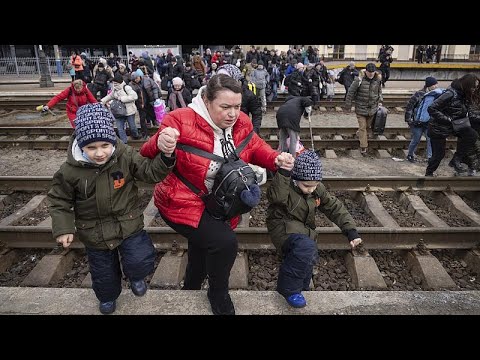
Diplomats and journalists now in the air-raid shelter in Lviv (Ukraine)
Can Poland Rescue Europe?

Finance’s Role in Economic Ruin
Next Generation EU a scam?
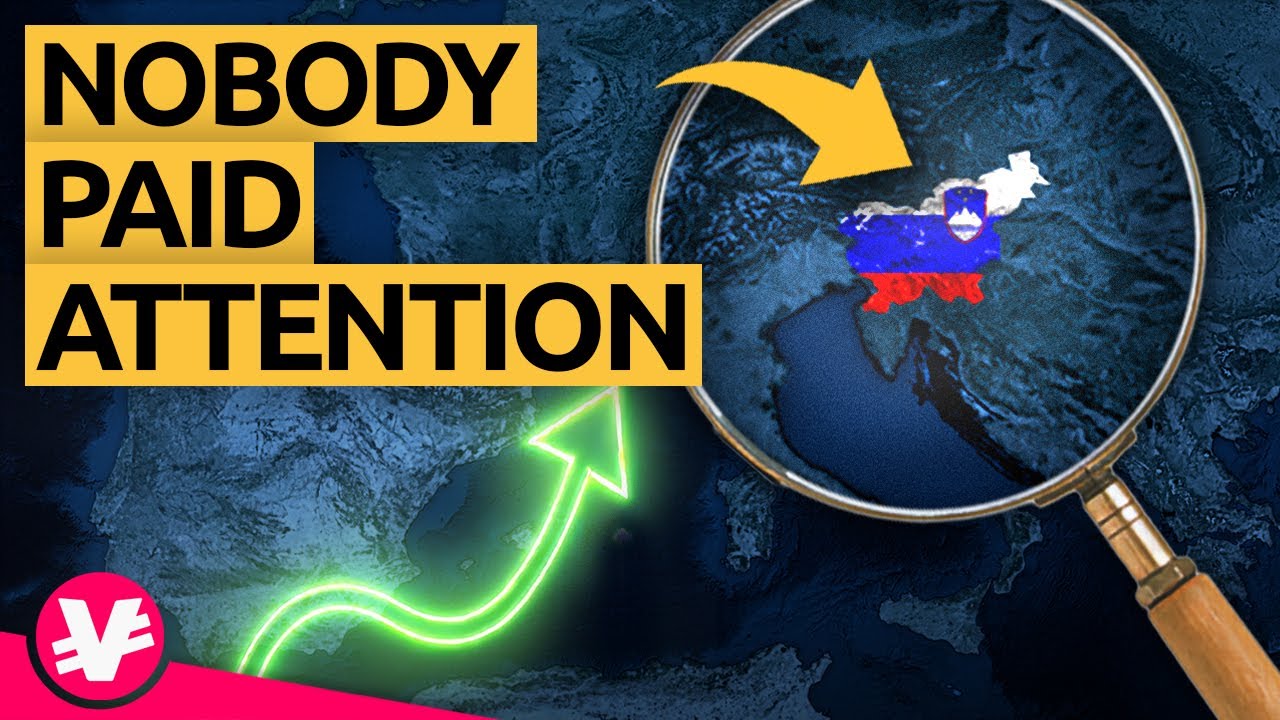
Slovenia’s Economic Triumph
AI bust: Layoffs & Rent surge

COSTCO profits from Fees
Trump's threats to Colombia
United Kingdom vs Immigration

Ukraine sends ground robots

EU Residence permits: Record level to third nationals