-
 Abdul El-Sayed Wins Michigan Senate Seat in Historic Election
-
Trump Signals Willingness to Work With Democrats After Midterm Defeat

-
 Qatar media bodies discuss support for humanitarian initiatives
-
دي برومهد يفتح خياراته لـ "ذا بيغ ويسترنر" قبل عودته في ويكسفورد

-
 Galloway accuser could not foresee publishing-sector fallout, lawyer argues
-
أزمة الإسكان في البرتغال: تصاعد الأسعار يعمق الانقسامات السياسية حول الحريات

-
 No. 22 UCLA defeats No. 5 Arizona 84-75 despite Kharchenkov's 38 points
-
New York City Center revives In the Heights as a timely community story

-
 Vessel operator seeks witnesses after Vancouver grounding
-
Godzilla Minus Zero shifts focus toward postwar human drama

-
 US Air Force deploys F-16 fighters to remote Aleutian base for readiness drill
-
Mehbooba Mufti urges dialogue and renewed Central Asia links for Kashmir

-
 Bezos grant helps Seattle nonprofit move thousands of families toward housing
-
Seacliff Healthcare Seeks Specialist GP in Thirroul

-
 Shrini Srivastava joins crew of Varanasi-Delhi Vande Bharat Sleeper service
-
US stocks fall before midterm Election Day as technology shares weaken

-
 Nearly Half of Australian Workers Overqualified, Survey Finds
-
BLS Polymers makes strong market debut at ₹248 per share

-
 RBI eases export-declaration compliance for individual service exporters
-
Petrol and diesel prices remain broadly steady across major Indian cities

-
 India proposes more import entry points for drugs and medical devices
-
Reliance shares remain in focus after near-12% surge

-
 Derek Tierney Outlines Ten-Year Strategy for National Digital Health System
-
2026 Arizona Midterms: Key Races, Ballot Measures, and Voter Deadlines

-
 NBC’s Steve Kornacki Reveals Tech Habits Ahead of Midterm Elections
-
Coal India prepares possible $1 billion Mahanadi Coalfields listing

-
 India and Israel oppose UN draft on regional conventional arms control
-
Julia Stiles and Ezra Sosa Share Emotional Farewell After 'DWTS' Elimination

-
 BLS Polymers shares open 65.3% above IPO price
-
US Buildings Threatened by Wildfires Could Triple by 2060

-
 Capital-markets shares rally as Motilal Oswal and Angel One lead gains
-
Why Pregnancy Cost Estimates Fail: A Family’s $9,000 Surprise

-
 Latino Voters Defy ICE Fears, Turn Out in Record Numbers for Midterms
-
US Strikes Iranian Targets in Strait of Hormuz Ahead of Midterms

-
 ITC shares rise as analysts anticipate gradual cigarette-business recovery
-
Brodeur’s Overtime Goal Secures Bethlehem’s Second Consecutive Sectional Title

-
 Reliance rally puts historical one-year return pattern in focus
-
Rare 1970 Plymouth ‘Cuda 426 Hemi Listed for $400,000

-
 Kuwait edges Oman 1-0 in veterans Gulf Cup in Doha
-
The Digital Burden: Why Instant Messaging Feels Like a Full-Time Job

Spain defies NATO's 5% goal
Spain has recently taken a bold stance by rejecting the North Atlantic Treaty Organization's (NATO) proposal to increase defense spending to 5% of its Gross Domestic Product (GDP). This decision has ignited debates across the international community, questioning Spain's dedication to NATO and the alliance's future defense strategies.
Background of the proposal
At a recent NATO summit held in The Hague, member states deliberated a significant proposal to elevate defense spending to 5% of GDP by 2035. Championed notably by the United States under President Donald Trump, this increase aimed to counter escalating security threats, particularly from Russia. However, Spain, under the leadership of Prime Minister Pedro Sánchez, has firmly opposed this target, highlighting a clash of priorities within the alliance.
Reasons for Spain's rebellion
Spain's economy faces challenges with a high debt-to-GDP ratio and persistent budget deficits. Committing to a 5% GDP defense spending target would necessitate severe cuts in critical sectors such as healthcare, education, and social welfare. Prime Minister Sánchez has labeled this potential shift as "unreasonable and counterproductive," stressing that it could destabilize Spain's economic recovery and social cohesion.
Strategic perspective
Geographically distant from Russia's borders, Spain perceives less immediate threat compared to Eastern European NATO members. This distance influences Spain's defense priorities, leading Sánchez to argue that Spain can fulfill NATO's capability requirements efficiently without adhering to the proposed spending hike. He advocates for resource allocation based on strategic necessity rather than a uniform percentage.
Reactions and repercussions
Spain's stance has elicited mixed responses. Within NATO, some member states and U.S. officials have voiced concerns, suggesting that this could undermine the alliance's collective defense strength and signal vulnerability to adversaries. President Trump has even hinted at retaliatory measures, such as imposing higher tariffs on Spanish exports.
Conversely, Spain stands firm, proposing a more tailored approach to defense contributions. Sánchez suggests that NATO should assess member contributions based on specific defense needs and capabilities, promoting fairness and flexibility across the alliance.
Broader implications
This rebellion underscores a growing rift within NATO regarding defense spending priorities. It challenges the alliance to reconsider how it measures and distributes defense responsibilities, balancing collective security with the diverse economic realities of its members. Spain's position could prompt a broader dialogue on adapting NATO's strategies to contemporary global security demands.
Conclusion of all
Spain's rejection of NATO's 5% GDP defense spending target reflects a complex interplay of economic limitations, strategic considerations, and political resolve. While it has strained relations within the alliance, it also opens the door for NATO to refine its approach, ensuring resilience and unity in addressing future threats.

COSTCO profits from Fees
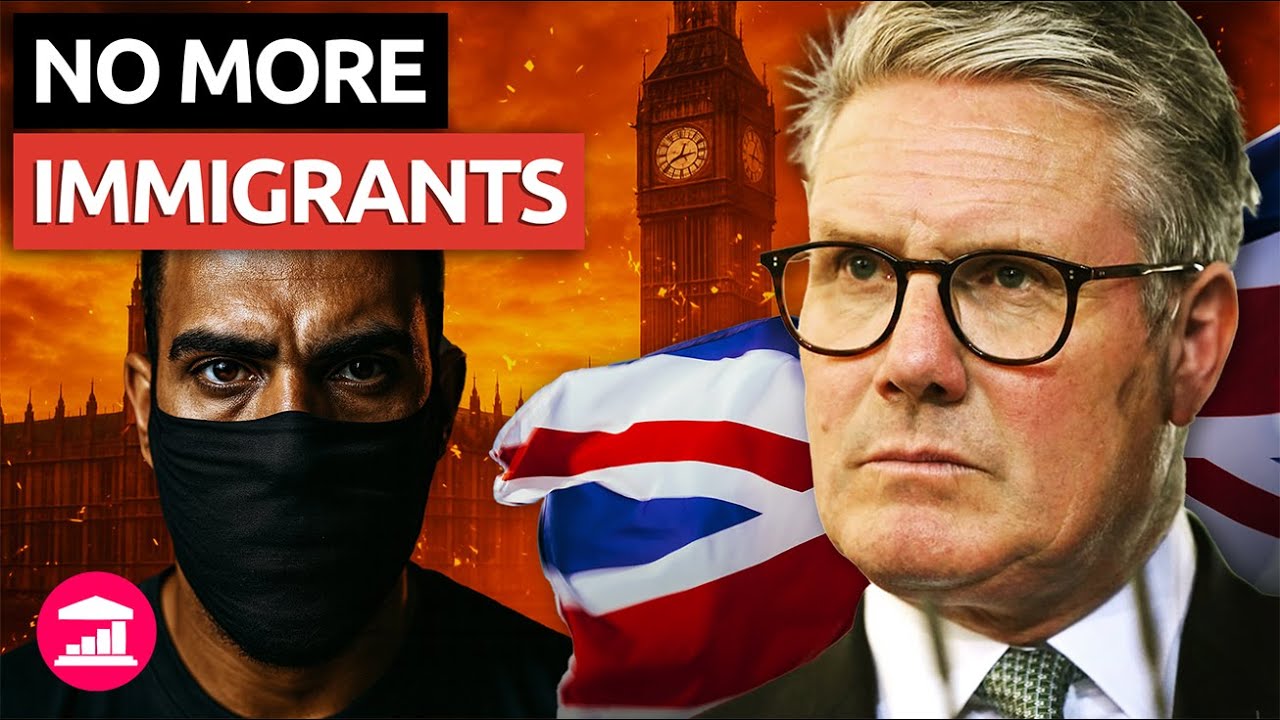
United Kingdom vs Immigration
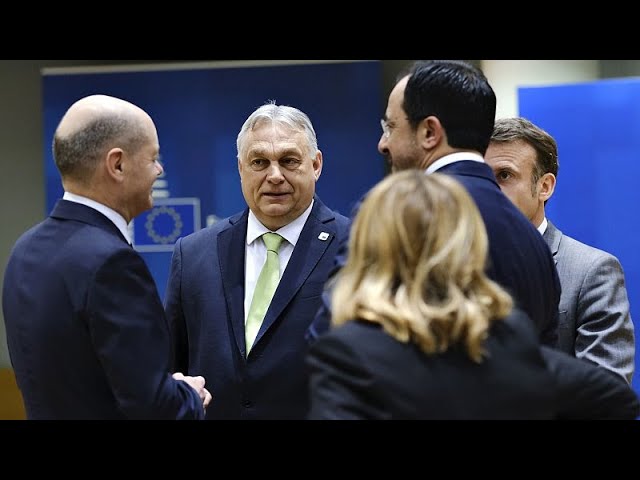
EU: How do we deal with Donald Trump?
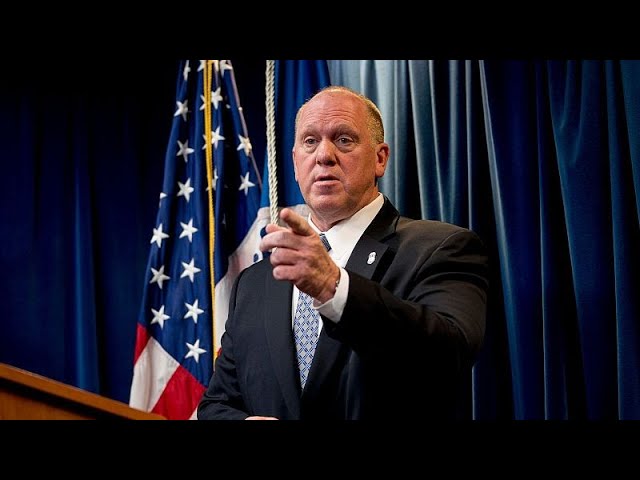
Trump announces Homan as new 'border czar'

EU Residence permits: Record level to third nationals
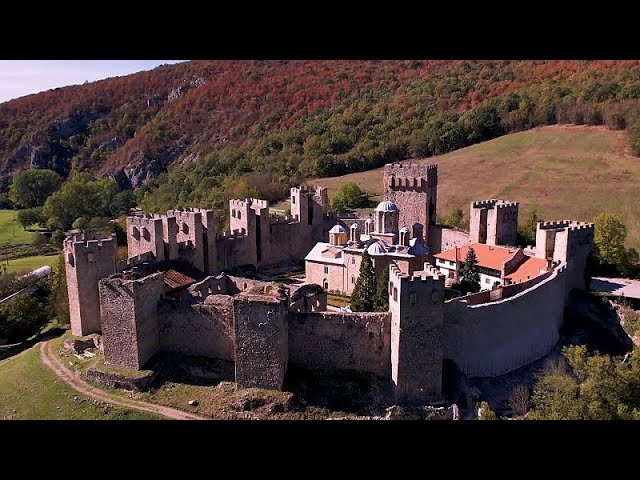
Culture: Serbia’s architectural marvels

Studio Kremlin: creative co-working in Paris
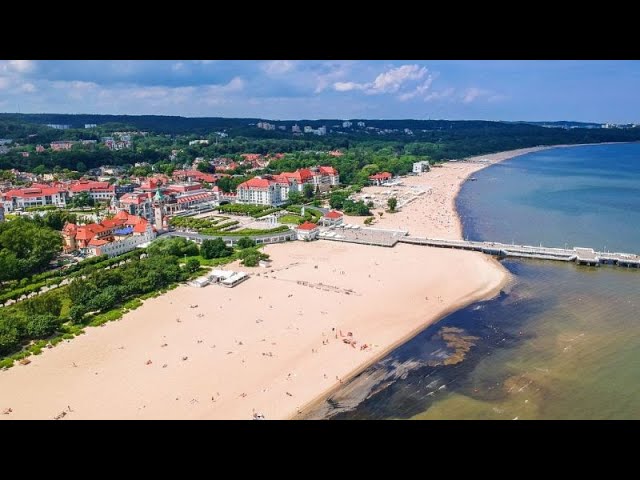
Planning a wellness break? Poland!
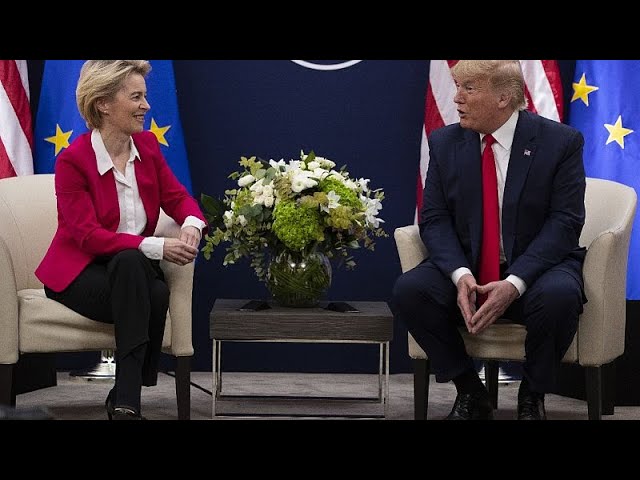
Trump's US support for Ukraine and China?
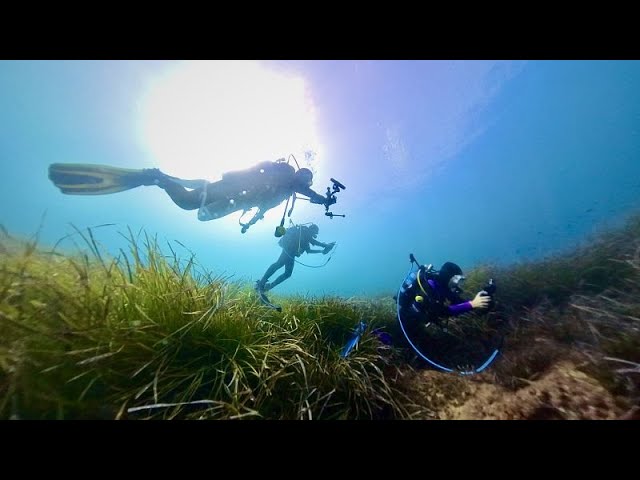
Underwater Wi-Fi: European startups woo investors

EU DECODED: Deforestation law’s trade-offs