-
 Asian Games offer 'deepest apologies' for South Korea anthem blunder
-
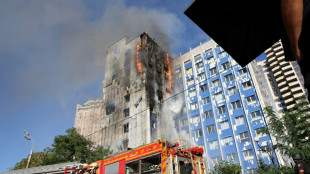
Black smoke, flames rising near Riyadh airport: residents to AFP
-
 تطورات "سي أن أن": تقرير بالذكاء الاصطناعي كاد يشعل حرباً بين أميركا والصين
-
قراءة في مجلس شباب «موانئ دبي العالمية» يناقش دور الخبرات والأفكار في تحسين العمليات
-
 Inter Milan and Italy icon Mazzola dies aged 83
-
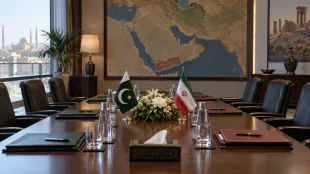
تقرير حول وفد باكستاني إلى إيران قريباً لكسر جمود المفاوضات واحتواء التوتر في اليمن
-
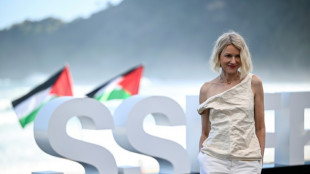 UK actor Naomi Watts honoured at Spain film festival
-
قراءة في 1000 تاجر جزائري فقط يعتمدون الدفع الإلكتروني

-
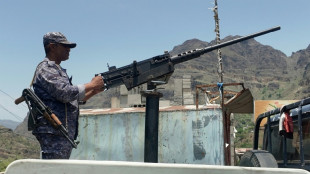 Saudi capital issues first air raid alert since renewed fighting in Yemen
-
Japan emperor declares Asian Games open after turbulent build-up

-
 Martin edges title rival Marquez for Austrian MotoGP pole
-
Asian Games open with unity message after troubled build-up

-
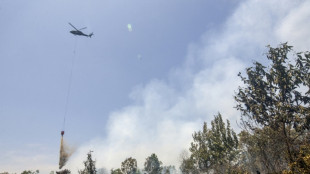 Indonesia accepts Malaysia's help to tackle wildfires
-
Denmark hails 'binding' Greenland deal with Trump
-
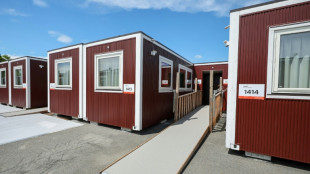
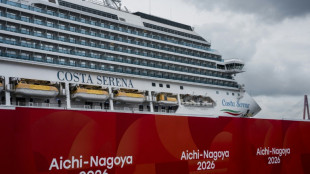 Indians living in Japan on stand-by to house Asian Games athletes
-
We don't want Games host Japan losing money, says Asian Olympic official
-
 Trump signs bill authorizing sweeping Russia sanctions
-
Ed Sheeran returns to stage after Palestinian controversy

-
 Protesters form human chain at Kennedy Center after Trump threat
-
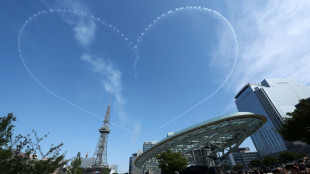
Asian Games to open in Japan after troubled build-up
-
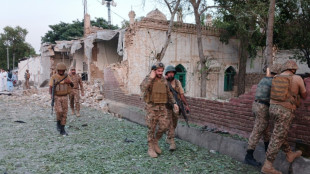 Death toll from attack at police HQ in Pakistan rises to 31
-
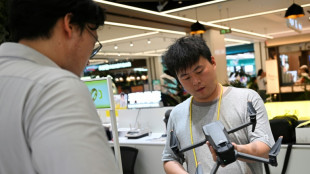
Drone owners rush to offload devices ahead of Beijing ban
-
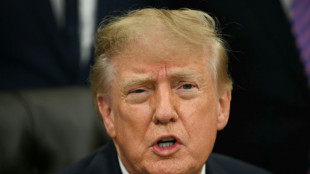 Trump says Denmark to give US 'permanent control' over Greenland security
-
Trump's beef policies irk Texas ranchers, testing their loyalty

-
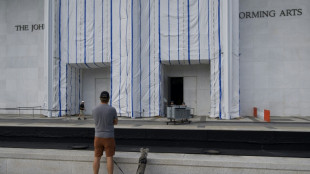 Kennedy Center: future unclear for iconic Washington arts hub
-
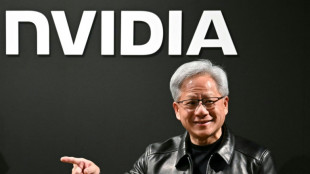
Nvidia, OpenAI CEOs to attend Xi dinner at White House
-
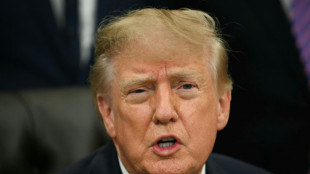 Trump claims 'infinite' Greenland security deal with Denmark
-
Anthropic picks Accenture for in-house AI safety evaluation

-
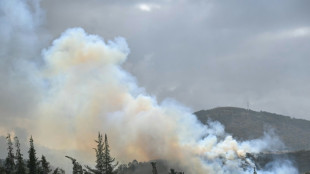 Helicopters battle wildfire threatening Ecuador's capital
-
Balogun returns as Monaco beat Lens to continue strong Ligue 1 start

-
 Brentford batter Chelsea to undo Alonso's promising start
-
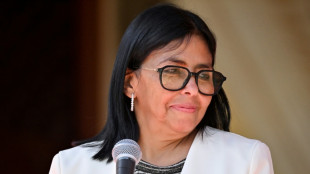
'Pause' on overt repression in Venezuela, but reforms still needed: HRW
-
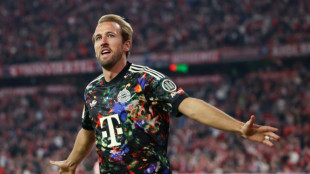 Kane hits Bundesliga century as Bayern rout Union
-
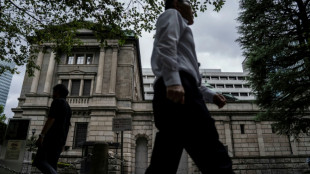
Global stocks mixed as yen falls despite Bank of Japan rate hike
-
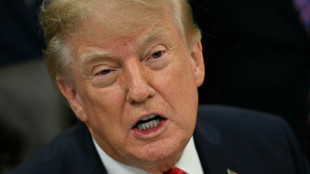 Trump says CNN, MS NOW, Politico banned from White House
-
Cuba hit with seventh major blackout of the year

-
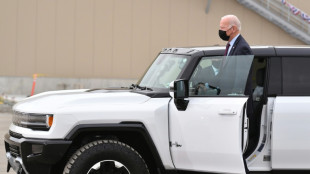 Hushing and hedging: US companies retreat on climate
-
Murray out with concussion so Wentz will start for Vikings

-
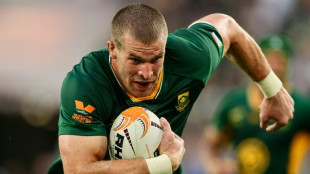 Springboks to face Fiji before 2027 Rugby World Cup
-
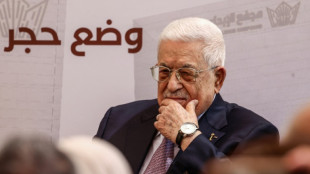
UN chief 'deeply regrets' US visa refusal to Abbas for annual meeting
-
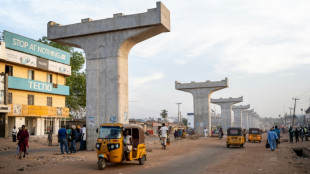 Nigeria miners struggled to breathe in cell before 37 died: survivors
-
England quick Carse to face no charges over alleged nightclub assault

-
 McIlroy on the charge at PGA Championship as Reed withdraws
-
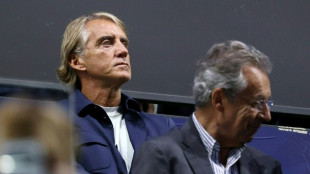
Mancini brings nine newcomers into the first squad of his Italy comeback
-
 McIlroy on the charge at PGA Championship
-
Czechs level Davis Cup tie against USA as South Korea eye Finals

-
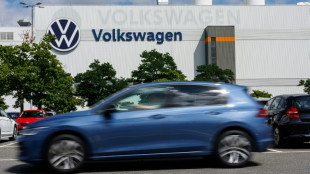 Crisis-wracked Volkswagen warns of 10-bn-euro hit to profits
-
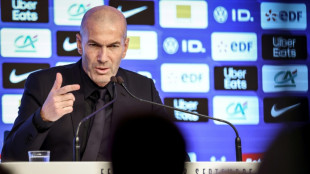
New France boss Zidane confirms Mbappe as captain after naming first squad
-
 Costa Rica's Grynspan tops third informal poll for UN chief: diplomat
-
California governor signs order to explore AI 'kill switch'

Israel's Covert Nuclear Rise
Israel’s emergence as a nuclear power is one of the most secretive and controversial developments in modern geopolitics. While the country has never officially confirmed or denied possessing nuclear weapons, it is widely believed to have developed a sophisticated nuclear arsenal. This article explores the key milestones and strategies that enabled Israel to become a nuclear power while maintaining a policy of deliberate ambiguity.
The Early Beginnings
The origins of Israel’s nuclear program trace back to the 1950s, shortly after the nation’s establishment in 1948. In 1952, the Israel Atomic Energy Commission was created, led by Ernst David Bergmann, a scientist who saw nuclear weapons as essential for Israel’s survival amid regional threats. The young nation, surrounded by hostile neighbors, sought a deterrent that could ensure its security.
A critical step occurred in the late 1950s when Israel began constructing the Dimona nuclear facility in the Negev desert. With significant assistance from France, which provided technology and expertise, the facility was built under a veil of secrecy. Officially labeled a "textile factory," Dimona became the heart of Israel’s nuclear ambitions. By the mid-1960s, it is believed that Israel had produced its first nuclear weapon, though no official records confirm this timeline.
The Policy of Nuclear Ambiguity
Central to Israel’s strategy is its policy of "nuclear ambiguity." This approach avoids explicit confirmation or denial of nuclear weapons possession, allowing Israel to maintain deterrence without triggering an arms race or international backlash. Israeli leaders have adhered to this stance for decades, rarely commenting on their capabilities. However, in 2006, then-Prime Minister Ehud Olmert briefly listed Israel among nuclear-armed states in an interview, a rare slip that was swiftly minimized.
The Whistleblower’s Revelation
The secrecy surrounding Dimona was shattered in 1986 when Mordechai Vanunu, a former technician at the facility, leaked photographs and details to the public. His revelations suggested that Israel possessed between 100 and 200 nuclear warheads, confirming suspicions about its capabilities. Vanunu’s actions led to his abduction by Israeli intelligence and an 18-year prison sentence, underscoring the lengths Israel would go to protect its nuclear program.
Advanced Delivery Systems
Israel’s nuclear arsenal is thought to be supported by a range of delivery systems. The Jericho series of ballistic missiles, initially developed with French assistance, can reportedly carry nuclear warheads over thousands of kilometers. Additionally, Israel’s fleet of Dolphin-class submarines, acquired from Germany, is rumored to be equipped with nuclear-tipped cruise missiles, offering a second-strike capability that enhances its deterrence.
International Stance and Regional Tensions
Israel has never joined the Nuclear Non-Proliferation Treaty (NPT), a decision that has drawn criticism, especially from regional rivals like Iran. Israeli officials maintain that they will not be the first to introduce nuclear weapons into the Middle East, a statement crafted to preserve ambiguity. In recent years, tensions with Iran over its nuclear program have spotlighted Israel’s own capabilities, with Israeli leaders advocating strong measures to prevent Tehran from achieving similar status.
A Lasting Legacy
Israel’s journey to nuclear power relied on strategic partnerships, covert operations, and a steadfast commitment to secrecy. While the full scope of its arsenal remains undisclosed, its status as a nuclear power is rarely questioned today. This reality continues to influence Middle Eastern geopolitics, shaping both regional dynamics and global efforts to curb nuclear proliferation.

Paris: Taster day for 2024 Paralympic Games
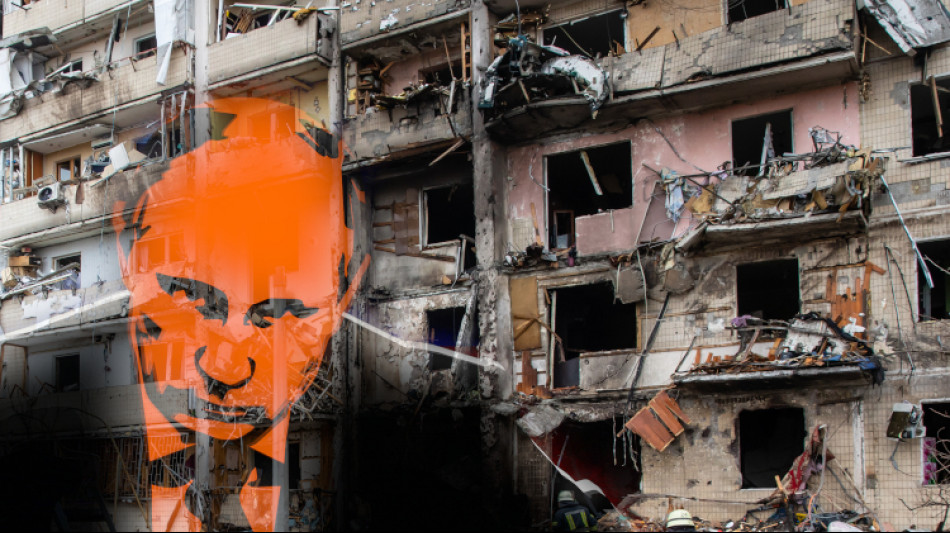
Russian war crimes and terror against Ukraine
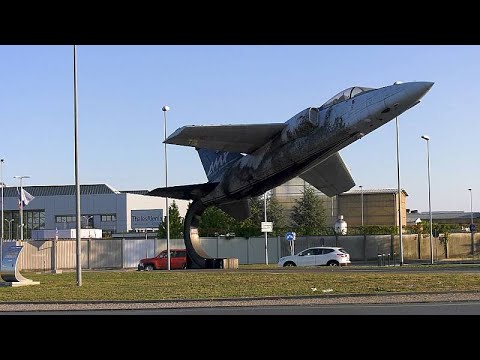
Aerospace: reviving Italy's declining industry

How pedestrianization halted a Spanish city's decline

Oktoberfest 2022: Germany's booziest folk festival returns
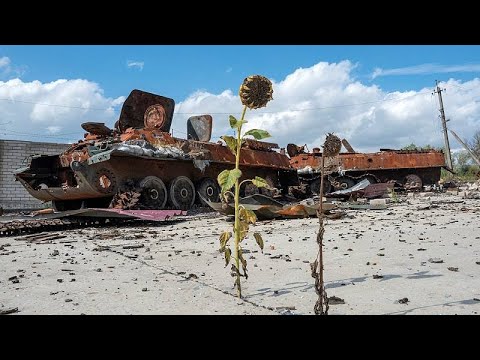
Ukraine's fight against the Russian terrorist state

Live coverage of HM Queen Elizabeth II's state funeral

LIVE: Farewell to Queen Elizabeth II.
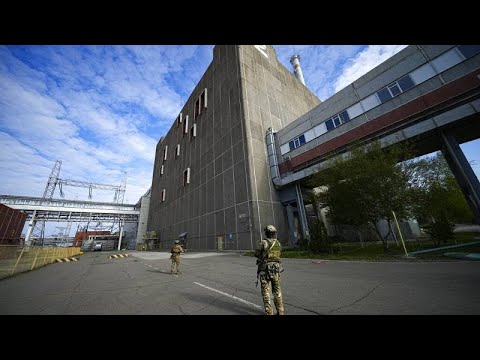
Ukraine: Zaporizhzhia nuclear power plant's switched off

Queen Elizabeth II's funeral cortege in Edinburgh

USA: Two decades after 9/11 terrorist attacks