-
 Denmark hails 'binding' Greenland deal with Trump
-
Indians living in Japan on stand-by to house Asian Games athletes
-
 We don't want Games host Japan losing money, says Asian Olympic official
-
Trump signs bill authorizing sweeping Russia sanctions
-
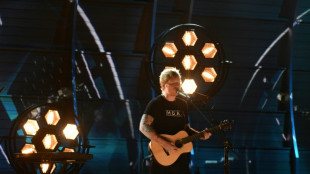 Ed Sheeran returns to stage after Palestinian controversy
-
Protesters form human chain at Kennedy Center after Trump threat

-
 Asian Games to open in Japan after troubled build-up
-
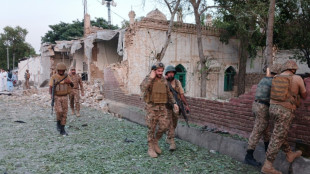
Death toll from attack at police HQ in Pakistan rises to 31
-
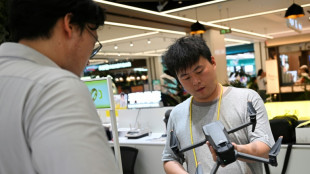 Drone owners rush to offload devices ahead of Beijing ban
-
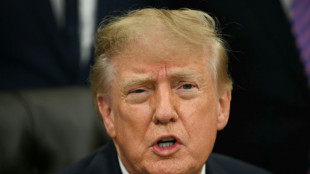
Trump says Denmark to give US 'permanent control' over Greenland security
-
 Trump's beef policies irk Texas ranchers, testing their loyalty
-
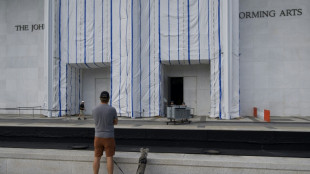
Kennedy Center: future unclear for iconic Washington arts hub
-
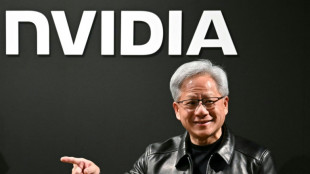 Nvidia, OpenAI CEOs to attend Xi dinner at White House
-
Trump claims 'infinite' Greenland security deal with Denmark
-
 Anthropic picks Accenture for in-house AI safety evaluation
-
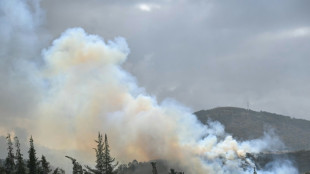
Helicopters battle wildfire threatening Ecuador's capital
-
 Balogun returns as Monaco beat Lens to continue strong Ligue 1 start
-
Brentford batter Chelsea to undo Alonso's promising start

-
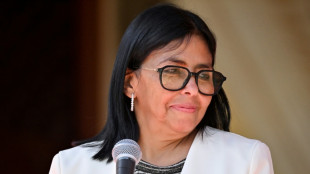 'Pause' on overt repression in Venezuela, but reforms still needed: HRW
-
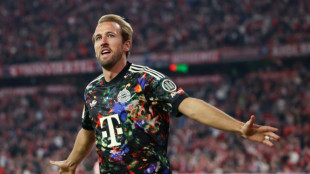
Kane hits Bundesliga century as Bayern rout Union
-
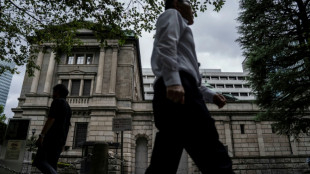
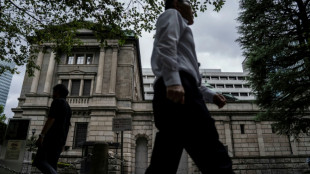 Global stocks mixed as yen falls despite Bank of Japan rate hike
-
Trump says CNN, MS NOW, Politico banned from White House
-
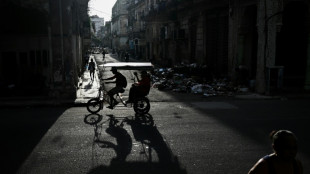 Cuba hit with seventh major blackout of the year
-
Hushing and hedging: US companies retreat on climate

-
 Murray out with concussion so Wentz will start for Vikings
-
Springboks to face Fiji before 2027 Rugby World Cup
-
 UN chief 'deeply regrets' US visa refusal to Abbas for annual meeting
-
Nigeria miners struggled to breathe in cell before 37 died: survivors
-
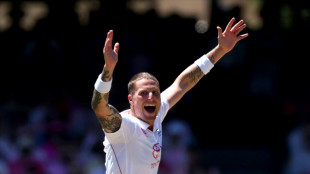 England quick Carse to face no charges over alleged nightclub assault
-
McIlroy on the charge at PGA Championship as Reed withdraws

-
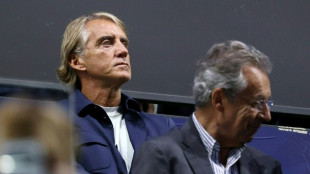 Mancini brings nine newcomers into the first squad of his Italy comeback
-
McIlroy on the charge at PGA Championship

-
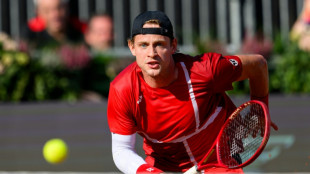 Czechs level Davis Cup tie against USA as South Korea eye Finals
-
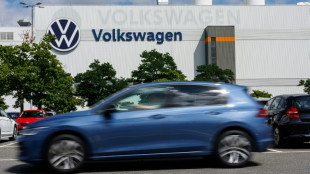
Crisis-wracked Volkswagen warns of 10-bn-euro hit to profits
-
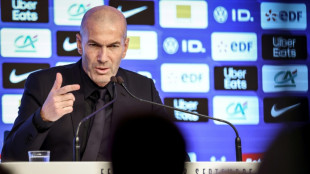 New France boss Zidane confirms Mbappe as captain after naming first squad
-
Costa Rica's Grynspan tops third informal poll for UN chief: diplomat
-
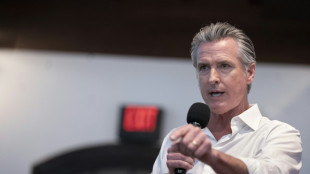 California governor signs order to explore AI 'kill switch'
-
Stock markets retreat after central bank rate hikes
-
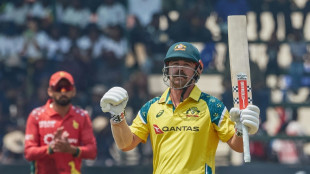 Head leads run spree as Australia win Zimbabwe ODI series
-
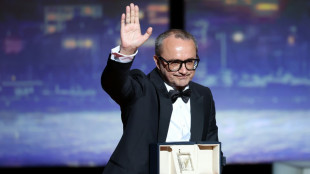
Russia labels director of Cannes Grand Prix winner a 'foreign agent'
-
 In-form Raphinha wants to finish career at Barcelona
-
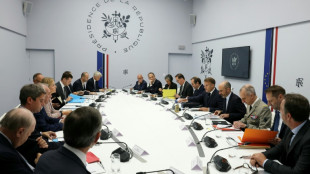
Macron warns of Russian 'hybrid' threat after meeting presidential hopefuls
-
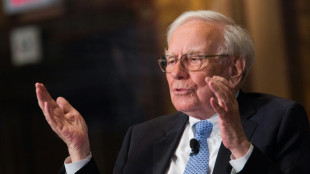 Warren Buffett steps down as Berkshire Hathaway chairman
-
UN holds third informal poll for new chief
-
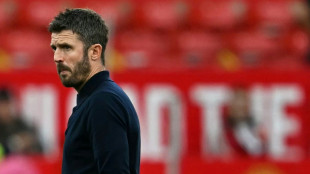 Carrick confident Man Utd can 'work through' tough time
-
Kulusevski return can spark Spurs: De Zerbi

-
 Mbappe ends Nike partnership to join Swiss brand On
-
Shakira to cap off world tour with Madrid 12-gig run

-
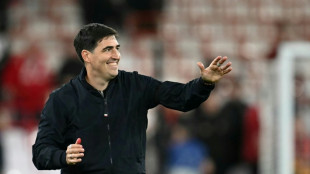 Liverpool boss Iraola puts Bournemouth love affair on hold
-
Isolated Syrian-Druze city blames Damascus for shortages
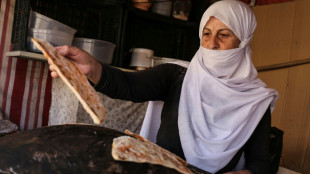
Germany's Anti-Woke Tide
In recent years, Germany has witnessed a growing backlash against what many perceive as the excesses of progressive ideologies, often referred to as "woke" culture. This movement, which some describe as an "anti-woke revolution," is reshaping political, social, and cultural landscapes across the country. While Germany has long been seen as a bastion of liberal values, a rising tide of discontent has emerged, driven by concerns over immigration, free speech, gender identity, and the perceived overreach of progressive policies. This article explores the roots of this movement, its key figures, and its broader implications for German society.
The term "woke," originally rooted in awareness of social injustices, has increasingly been used by critics to describe a range of progressive stances on issues such as racial equality, gender identity, and climate activism. In Germany, as in other parts of Europe, these ideas have been embraced by left-leaning political parties, cultural institutions, and media outlets. However, a growing segment of the population now views these developments with scepticism, arguing that they threaten traditional values, free expression, and national identity.
Political Backlash
At the heart of this anti-woke sentiment is the Alternative for Germany (AfD), a right-wing populist party that has gained significant traction in recent years. The AfD has positioned itself as a staunch critic of progressive policies, particularly on immigration and gender issues. The party argues that Germany's open-door immigration policy, championed by former Chancellor Angela Merkel, has led to cultural and security challenges. Additionally, the AfD has vocally opposed what it calls "gender ideology," rejecting efforts to expand rights for transgender individuals and criticising policies that it claims undermine traditional family structures. While the AfD remains controversial, its rise reflects a broader dissatisfaction with the political establishment's handling of these issues.
Cultural and Intellectual Pushback
Beyond the political sphere, the anti-woke movement has found resonance in cultural and intellectual circles. Prominent public figures, including authors, academics, and media personalities, have spoken out against what they see as the stifling of free speech by progressive orthodoxy. They argue that debates on sensitive topics such as immigration or gender are often shut down by accusations of racism or transphobia, creating a climate of self-censorship. This concern over free expression has led to calls for a more open and robust public discourse, where dissenting views can be aired without fear of social or professional repercussions.
Immigration: A Central Issue
One of the most contentious issues fuelling the anti-woke movement is immigration. Germany, which accepted over a million migrants during the 2015 refugee crisis, has grappled with the social and economic consequences of this influx. Critics argue that the country's generous asylum policies have strained public services, increased crime rates, and eroded social cohesion. These concerns have been amplified by high-profile incidents of violence involving migrants, which have dominated headlines and stoked public fears. While supporters of immigration highlight the humanitarian and economic benefits, the anti-woke camp insists that the government has prioritised political correctness over pragmatic solutions.
Gender Identity Debates
Gender identity is another flashpoint in this cultural battle. Progressive policies, such as allowing individuals to change their legal gender without medical intervention, have been met with resistance from those who believe such measures undermine biological realities and erode women's rights. The AfD and other conservative voices have seized on this issue, framing it as part of a broader assault on traditional values. They argue that the push for gender inclusivity in schools and public institutions amounts to indoctrination, particularly when it comes to young children. This debate has spilled over into the education system, where parents and teachers have clashed over curriculum content and the role of schools in promoting social values.
Public Protests
The anti-woke movement has also found expression in public protests and demonstrations. In recent months, rallies against progressive policies have drawn large crowds, particularly in eastern Germany, where support for the AfD is strongest. These protests often focus on issues such as immigration, climate policies, and perceived government overreach. While the demonstrations have been largely peaceful, they have occasionally been marred by clashes with counter-protesters, highlighting the deepening divisions within German society.
Challenges and Opposition
Despite its growing influence, the anti-woke movement faces significant challenges. Mainstream political parties, including the Christian Democratic Union (CDU) and the Social Democratic Party (SPD), have largely distanced themselves from the AfD and its rhetoric. They argue that the party's positions are extreme and incompatible with Germany's democratic values. Additionally, many Germans remain committed to progressive ideals, viewing the anti-woke movement as a regressive force that threatens social progress. This divide has created a polarised political landscape, with little room for compromise.
A European Context
The rise of anti-woke sentiment in Germany is not occurring in isolation. Across Europe, similar movements have gained momentum, from France's Marine Le Pen to Hungary's Viktor Orbán. These leaders have tapped into widespread frustration with globalisation, immigration, and cultural change, positioning themselves as defenders of national sovereignty and traditional values. In Germany, the anti-woke movement is part of this broader trend, reflecting a desire to push back against what many see as the excesses of progressive politics.
Looking Ahead
As Germany heads towards its next federal election, the anti-woke movement is likely to play a significant role in shaping the political debate. The AfD, despite its internal divisions and controversies, remains a potent force, particularly in regions where economic and social challenges are most acute. Whether the party can translate its anti-woke rhetoric into electoral success remains to be seen, but its influence on the national conversation is undeniable.
In conclusion, Germany's anti-woke revolution is a complex and multifaceted phenomenon, driven by a combination of political, social, and cultural factors. While it has undoubtedly tapped into genuine concerns about immigration, free speech, and national identity, it has also raised questions about the future of Germany's liberal democracy. As the country navigates these turbulent waters, the challenge will be to find a balance between addressing legitimate grievances and upholding the values of tolerance and inclusivity that have long defined German society.
Hormuz Shock Risk rising
Iran lifts Dollar, sinks Euro
Israel presses Tehran
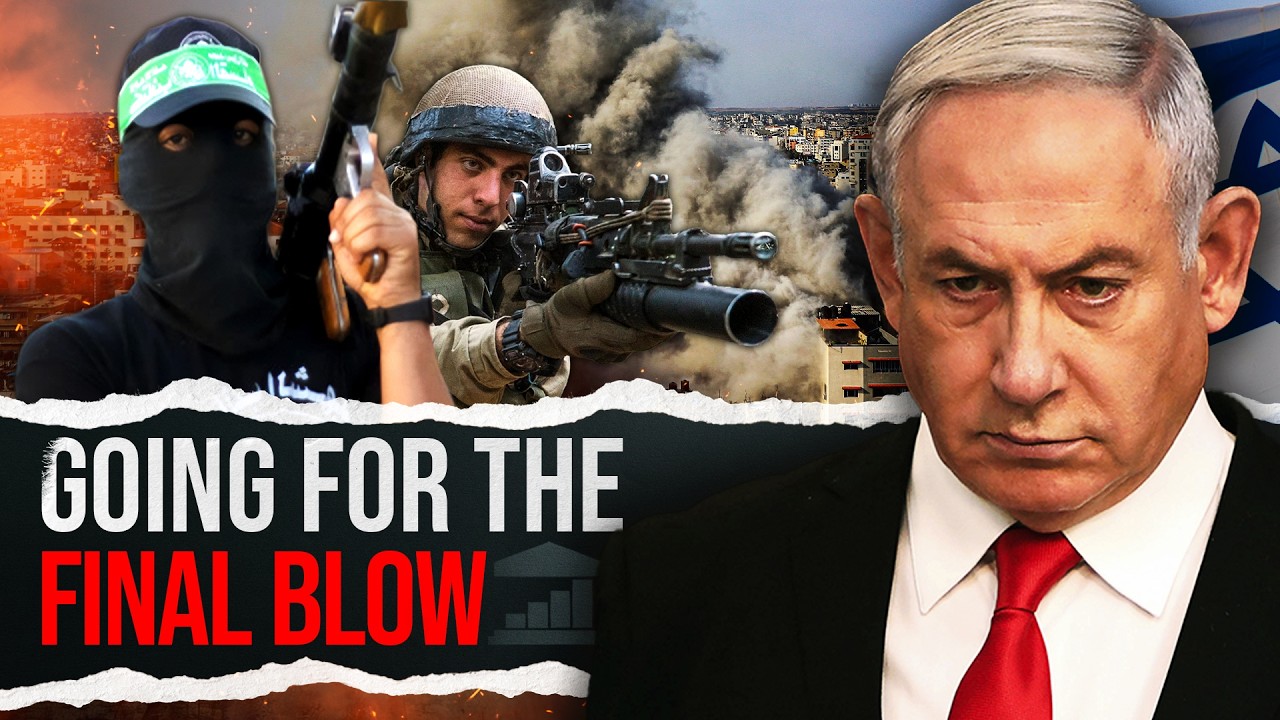
Is that Israel's final blow?
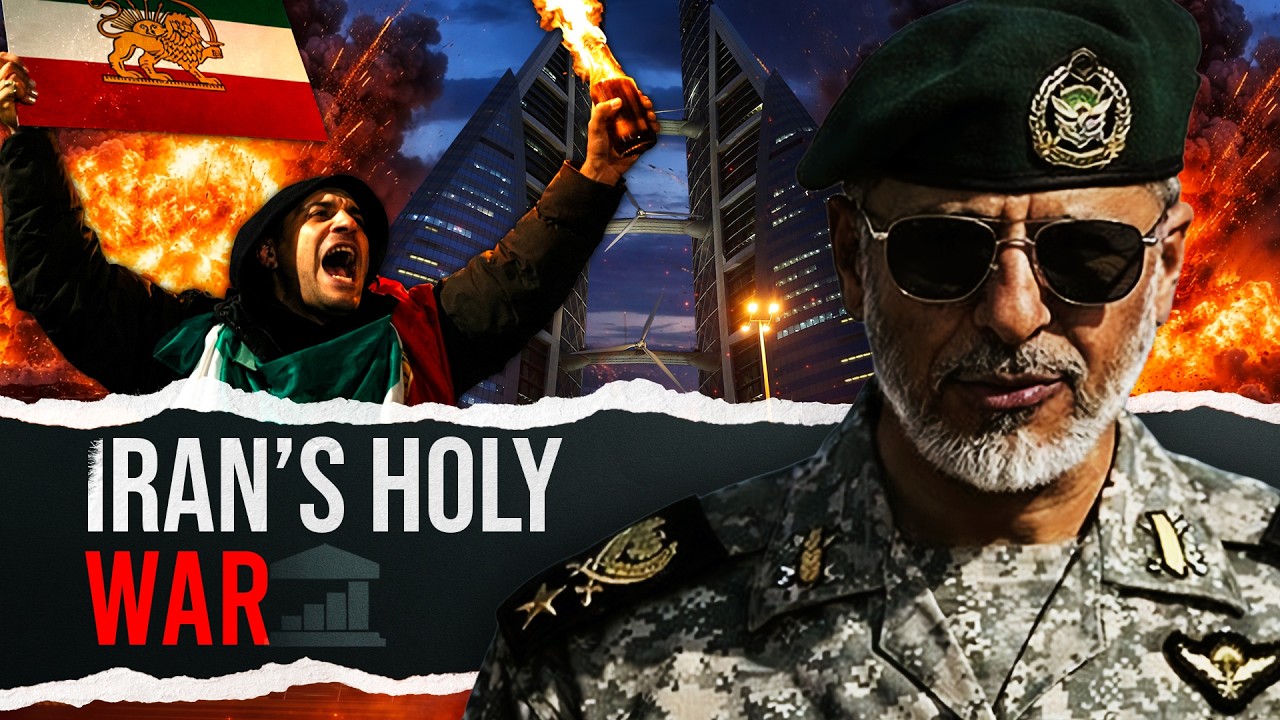
Iran and the holy War risk
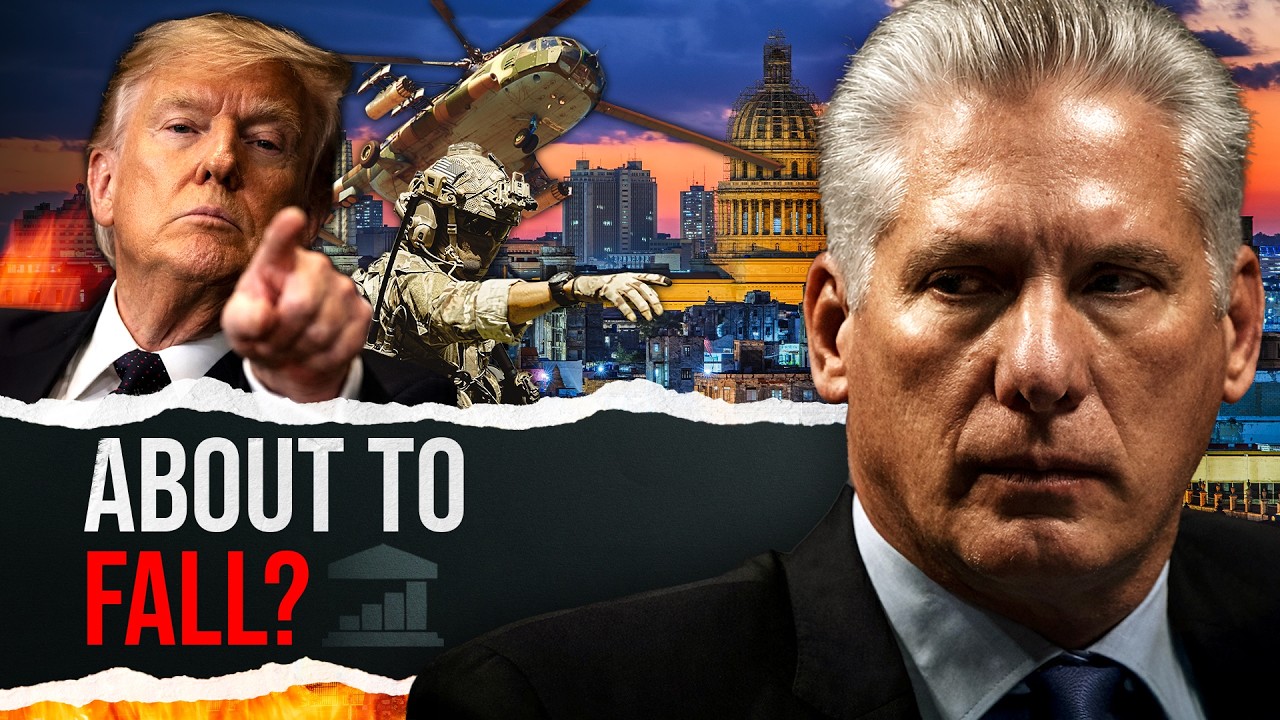
Cuban regime nears collapse
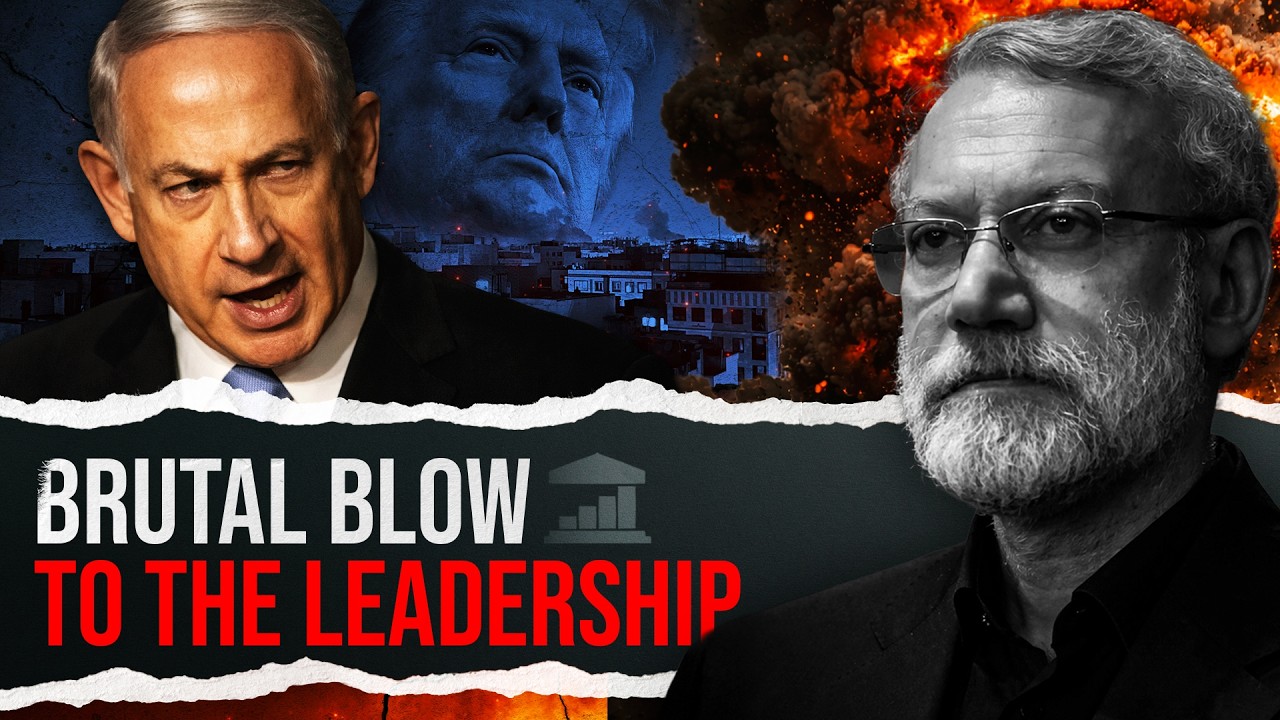
No red lines: Israel vs Iran

30 Days to Save the Economy?
Iran-War and dangerous Lines

BlackRock fund freeze panic

Calm or Chaos: Iran’s reach