-
 Galloway accuser could not foresee publishing-sector fallout, lawyer argues
-
أزمة الإسكان في البرتغال: تصاعد الأسعار يعمق الانقسامات السياسية حول الحريات
-
 No. 22 UCLA defeats No. 5 Arizona 84-75 despite Kharchenkov's 38 points
-
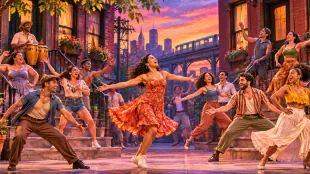
New York City Center revives In the Heights as a timely community story
-
 Vessel operator seeks witnesses after Vancouver grounding
-
Godzilla Minus Zero shifts focus toward postwar human drama

-
 US Air Force deploys F-16 fighters to remote Aleutian base for readiness drill
-
Mehbooba Mufti urges dialogue and renewed Central Asia links for Kashmir

-
 Bezos grant helps Seattle nonprofit move thousands of families toward housing
-
Seacliff Healthcare Seeks Specialist GP in Thirroul

-
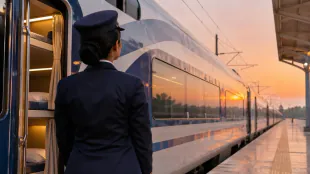 Shrini Srivastava joins crew of Varanasi-Delhi Vande Bharat Sleeper service
-
US stocks fall before midterm Election Day as technology shares weaken

-
 Nearly Half of Australian Workers Overqualified, Survey Finds
-
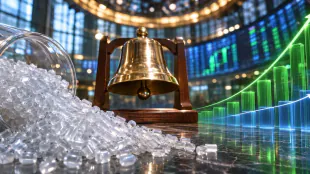
BLS Polymers makes strong market debut at ₹248 per share
-
 RBI eases export-declaration compliance for individual service exporters
-
Petrol and diesel prices remain broadly steady across major Indian cities

-
 India proposes more import entry points for drugs and medical devices
-
Reliance shares remain in focus after near-12% surge

-
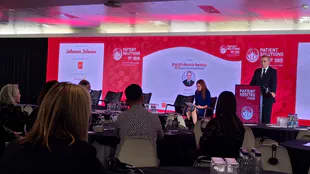 Derek Tierney Outlines Ten-Year Strategy for National Digital Health System
-
2026 Arizona Midterms: Key Races, Ballot Measures, and Voter Deadlines

-
 NBC’s Steve Kornacki Reveals Tech Habits Ahead of Midterm Elections
-
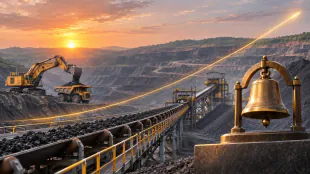
Coal India prepares possible $1 billion Mahanadi Coalfields listing
-
 India and Israel oppose UN draft on regional conventional arms control
-
Julia Stiles and Ezra Sosa Share Emotional Farewell After 'DWTS' Elimination

-
 BLS Polymers shares open 65.3% above IPO price
-
US Buildings Threatened by Wildfires Could Triple by 2060

-
 Capital-markets shares rally as Motilal Oswal and Angel One lead gains
-
Why Pregnancy Cost Estimates Fail: A Family’s $9,000 Surprise

-
 Latino Voters Defy ICE Fears, Turn Out in Record Numbers for Midterms
-
US Strikes Iranian Targets in Strait of Hormuz Ahead of Midterms

-
 ITC shares rise as analysts anticipate gradual cigarette-business recovery
-
Brodeur’s Overtime Goal Secures Bethlehem’s Second Consecutive Sectional Title

-
 Reliance rally puts historical one-year return pattern in focus
-
Rare 1970 Plymouth ‘Cuda 426 Hemi Listed for $400,000

-
 Kuwait edges Oman 1-0 in veterans Gulf Cup in Doha
-
The Digital Burden: Why Instant Messaging Feels Like a Full-Time Job

-
 Saudi Aramco quarterly profit climbs 34.6% amid elevated oil prices
-
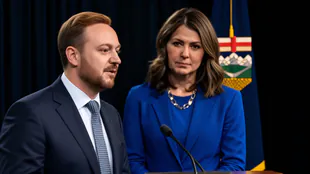
Alberta Tabled Controversial Riding Boundary Maps Amid Gerrymandering Accusations
-
 Washington reports movement in Iran negotiations aimed at preventing escalation
-
Hong Kong court set to sentence activist Joshua Wong in security case

-
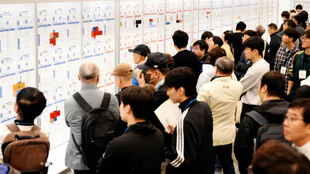 Korea’s Labor Share of GDP Hits Record Low Amid Semiconductor Boom
-
Australia raises benchmark rate to highest level in 18 years

-
 littlefish and Halo Dot Partner to Replace Payment Terminals with SoftPOS
-
'The Remarried Empress' Cast Discusses Bringing Fantasy Royal Drama to Life

-
 Kuwait inspectors destroy 115 kilograms of unverified meat in Farwaniya
-
Asian stocks retreat as AI worries outweigh steep oil-price drop

-
 Egypt Accelerates Construction of 341km Sinai Railway Linking Arish and Taba
-
Hamad International Airport stages emergency drills during WATAN 2026

-
 John Schneider Admits Owes Millions in 'Dukes of Hazzard' Divorce Battle
-
Global failure to punish attacks leaves journalists at continuing risk

Germany's Anti-Woke Tide
In recent years, Germany has witnessed a growing backlash against what many perceive as the excesses of progressive ideologies, often referred to as "woke" culture. This movement, which some describe as an "anti-woke revolution," is reshaping political, social, and cultural landscapes across the country. While Germany has long been seen as a bastion of liberal values, a rising tide of discontent has emerged, driven by concerns over immigration, free speech, gender identity, and the perceived overreach of progressive policies. This article explores the roots of this movement, its key figures, and its broader implications for German society.
The term "woke," originally rooted in awareness of social injustices, has increasingly been used by critics to describe a range of progressive stances on issues such as racial equality, gender identity, and climate activism. In Germany, as in other parts of Europe, these ideas have been embraced by left-leaning political parties, cultural institutions, and media outlets. However, a growing segment of the population now views these developments with scepticism, arguing that they threaten traditional values, free expression, and national identity.
Political Backlash
At the heart of this anti-woke sentiment is the Alternative for Germany (AfD), a right-wing populist party that has gained significant traction in recent years. The AfD has positioned itself as a staunch critic of progressive policies, particularly on immigration and gender issues. The party argues that Germany's open-door immigration policy, championed by former Chancellor Angela Merkel, has led to cultural and security challenges. Additionally, the AfD has vocally opposed what it calls "gender ideology," rejecting efforts to expand rights for transgender individuals and criticising policies that it claims undermine traditional family structures. While the AfD remains controversial, its rise reflects a broader dissatisfaction with the political establishment's handling of these issues.
Cultural and Intellectual Pushback
Beyond the political sphere, the anti-woke movement has found resonance in cultural and intellectual circles. Prominent public figures, including authors, academics, and media personalities, have spoken out against what they see as the stifling of free speech by progressive orthodoxy. They argue that debates on sensitive topics such as immigration or gender are often shut down by accusations of racism or transphobia, creating a climate of self-censorship. This concern over free expression has led to calls for a more open and robust public discourse, where dissenting views can be aired without fear of social or professional repercussions.
Immigration: A Central Issue
One of the most contentious issues fuelling the anti-woke movement is immigration. Germany, which accepted over a million migrants during the 2015 refugee crisis, has grappled with the social and economic consequences of this influx. Critics argue that the country's generous asylum policies have strained public services, increased crime rates, and eroded social cohesion. These concerns have been amplified by high-profile incidents of violence involving migrants, which have dominated headlines and stoked public fears. While supporters of immigration highlight the humanitarian and economic benefits, the anti-woke camp insists that the government has prioritised political correctness over pragmatic solutions.
Gender Identity Debates
Gender identity is another flashpoint in this cultural battle. Progressive policies, such as allowing individuals to change their legal gender without medical intervention, have been met with resistance from those who believe such measures undermine biological realities and erode women's rights. The AfD and other conservative voices have seized on this issue, framing it as part of a broader assault on traditional values. They argue that the push for gender inclusivity in schools and public institutions amounts to indoctrination, particularly when it comes to young children. This debate has spilled over into the education system, where parents and teachers have clashed over curriculum content and the role of schools in promoting social values.
Public Protests
The anti-woke movement has also found expression in public protests and demonstrations. In recent months, rallies against progressive policies have drawn large crowds, particularly in eastern Germany, where support for the AfD is strongest. These protests often focus on issues such as immigration, climate policies, and perceived government overreach. While the demonstrations have been largely peaceful, they have occasionally been marred by clashes with counter-protesters, highlighting the deepening divisions within German society.
Challenges and Opposition
Despite its growing influence, the anti-woke movement faces significant challenges. Mainstream political parties, including the Christian Democratic Union (CDU) and the Social Democratic Party (SPD), have largely distanced themselves from the AfD and its rhetoric. They argue that the party's positions are extreme and incompatible with Germany's democratic values. Additionally, many Germans remain committed to progressive ideals, viewing the anti-woke movement as a regressive force that threatens social progress. This divide has created a polarised political landscape, with little room for compromise.
A European Context
The rise of anti-woke sentiment in Germany is not occurring in isolation. Across Europe, similar movements have gained momentum, from France's Marine Le Pen to Hungary's Viktor Orbán. These leaders have tapped into widespread frustration with globalisation, immigration, and cultural change, positioning themselves as defenders of national sovereignty and traditional values. In Germany, the anti-woke movement is part of this broader trend, reflecting a desire to push back against what many see as the excesses of progressive politics.
Looking Ahead
As Germany heads towards its next federal election, the anti-woke movement is likely to play a significant role in shaping the political debate. The AfD, despite its internal divisions and controversies, remains a potent force, particularly in regions where economic and social challenges are most acute. Whether the party can translate its anti-woke rhetoric into electoral success remains to be seen, but its influence on the national conversation is undeniable.
In conclusion, Germany's anti-woke revolution is a complex and multifaceted phenomenon, driven by a combination of political, social, and cultural factors. While it has undoubtedly tapped into genuine concerns about immigration, free speech, and national identity, it has also raised questions about the future of Germany's liberal democracy. As the country navigates these turbulent waters, the challenge will be to find a balance between addressing legitimate grievances and upholding the values of tolerance and inclusivity that have long defined German society.

This Summer experiences Romania first heatwave

Mike Pence: U.S. will continue to support Ukraine

Activists organise "flotilla" with aid for Gaza
Holy souls on display at 2024 Venice Biennale

Brussels, my Love? EU-Market "sexy" for voters?

The great Cause: Biden-Harris 2024

Europe and its "big" goals for clean hydrogen
UN: Tackling gender inequality crucial to climate crisis

Scientists: "Mini organs" from human stem cells

ICC demands arrest of Russian officers
Putin and the murder of Alexei Navalny (47†)