-
 Greenland parliament approves security agreement with United States
-
Qatar Tourism joins Pacific Asia Travel Association at London travel market

-
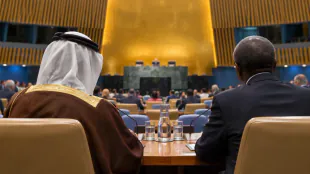 Qatar envoy meets incoming UN General Assembly president
-
Abdul El-Sayed Wins Michigan Senate Seat in Historic Election

-
 Trump Signals Willingness to Work With Democrats After Midterm Defeat
-
Qatar media bodies discuss support for humanitarian initiatives

-
 دي برومهد يفتح خياراته لـ "ذا بيغ ويسترنر" قبل عودته في ويكسفورد
-
Galloway accuser could not foresee publishing-sector fallout, lawyer argues

-
 أزمة الإسكان في البرتغال: تصاعد الأسعار يعمق الانقسامات السياسية حول الحريات
-
No. 22 UCLA defeats No. 5 Arizona 84-75 despite Kharchenkov's 38 points

-
 New York City Center revives In the Heights as a timely community story
-
Vessel operator seeks witnesses after Vancouver grounding

-
 Godzilla Minus Zero shifts focus toward postwar human drama
-
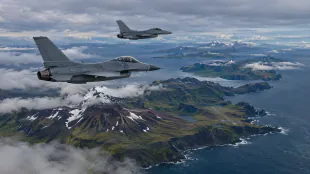
US Air Force deploys F-16 fighters to remote Aleutian base for readiness drill
-
 Mehbooba Mufti urges dialogue and renewed Central Asia links for Kashmir
-
Bezos grant helps Seattle nonprofit move thousands of families toward housing

-
 Seacliff Healthcare Seeks Specialist GP in Thirroul
-
Shrini Srivastava joins crew of Varanasi-Delhi Vande Bharat Sleeper service

-
 US stocks fall before midterm Election Day as technology shares weaken
-
Nearly Half of Australian Workers Overqualified, Survey Finds

-
 BLS Polymers makes strong market debut at ₹248 per share
-
RBI eases export-declaration compliance for individual service exporters

-
 Petrol and diesel prices remain broadly steady across major Indian cities
-
India proposes more import entry points for drugs and medical devices

-
 Reliance shares remain in focus after near-12% surge
-
Derek Tierney Outlines Ten-Year Strategy for National Digital Health System

-
 2026 Arizona Midterms: Key Races, Ballot Measures, and Voter Deadlines
-
NBC’s Steve Kornacki Reveals Tech Habits Ahead of Midterm Elections

-
 Coal India prepares possible $1 billion Mahanadi Coalfields listing
-
India and Israel oppose UN draft on regional conventional arms control

Israel's War on Iran's Ayatollahs
In recent years, the rivalry between Israel and Iran has intensified, with Israel adopting a comprehensive approach to weaken Iran's leadership, particularly its influential Ayatollahs. This strategy encompasses military action, intelligence operations, and diplomatic efforts, all aimed at curbing Iran's regional dominance and thwarting its nuclear aspirations.
Military Operations
A cornerstone of Israel's approach is its use of military force. Israel has carried out numerous airstrikes targeting Iranian assets, not only within Iran but also in countries such as Syria and Iraq. These operations have focused on disrupting Iran's nuclear infrastructure, missile capabilities, and military installations. The strikes have dealt significant blows to Iran's nuclear programme, delaying its potential to develop nuclear weapons and altering the strategic balance in the region.
Intelligence and Cyber Warfare
Beyond conventional military tactics, Israel has leveraged its intelligence capabilities to undermine Iran's leadership. The Mossad, Israel's renowned intelligence agency, has orchestrated operations that include the targeted elimination of prominent Iranian figures. These actions are designed to destabilise Iran's command structure and sow uncertainty within its regime. Additionally, cyber warfare has been employed to disrupt critical Iranian systems, further hampering its operational capacity.
Diplomatic Manoeuvres
On the diplomatic front, Israel has worked tirelessly to isolate Iran internationally. By collaborating with the United States and other allies, Israel has pushed for stringent sanctions and sought to build a coalition against Iran's actions. Israel's leadership, including Prime Minister Benjamin Netanyahu, has consistently framed Iran as a grave threat, advocating for robust measures to counter its influence. While targeting Iran's Supreme Leader, Ayatollah Ali Khamenei, has been considered, such a step remains a highly provocative option.
Iran's Response and Regional Fallout
Despite Israel's efforts, Iran's leadership has proven resilient. Ayatollah Khamenei has adopted a lower profile, while Iran's military has responded with retaliatory strikes on Israeli targets. This escalation has drawn in other regional and global actors, including the United States, which has conducted its own operations against Iranian nuclear sites, adding further complexity to an already volatile situation.
Final Conclusion
Israel's strategy to counter Iran's leadership blends military precision, intelligence prowess, and diplomatic pressure. While these efforts have succeeded in disrupting Iran's ambitions to some extent, they have also heightened tensions, plunging the Middle East into a precarious and unpredictable state. The ongoing conflict underscores the challenges of containing Iran's influence and the high stakes involved for all parties.
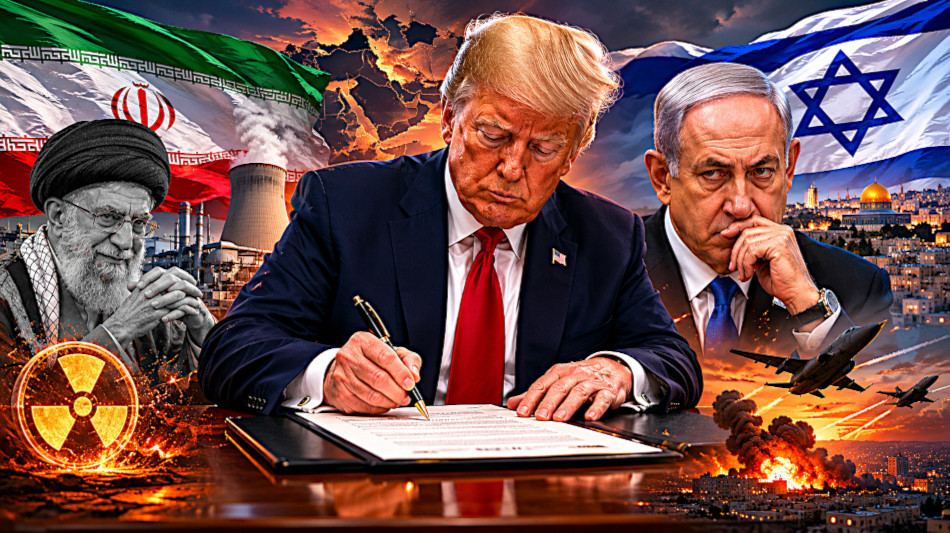
Israel riled by US-Iran pact

Red sea gambit with Eritrea

United Kingdom vs Immigration
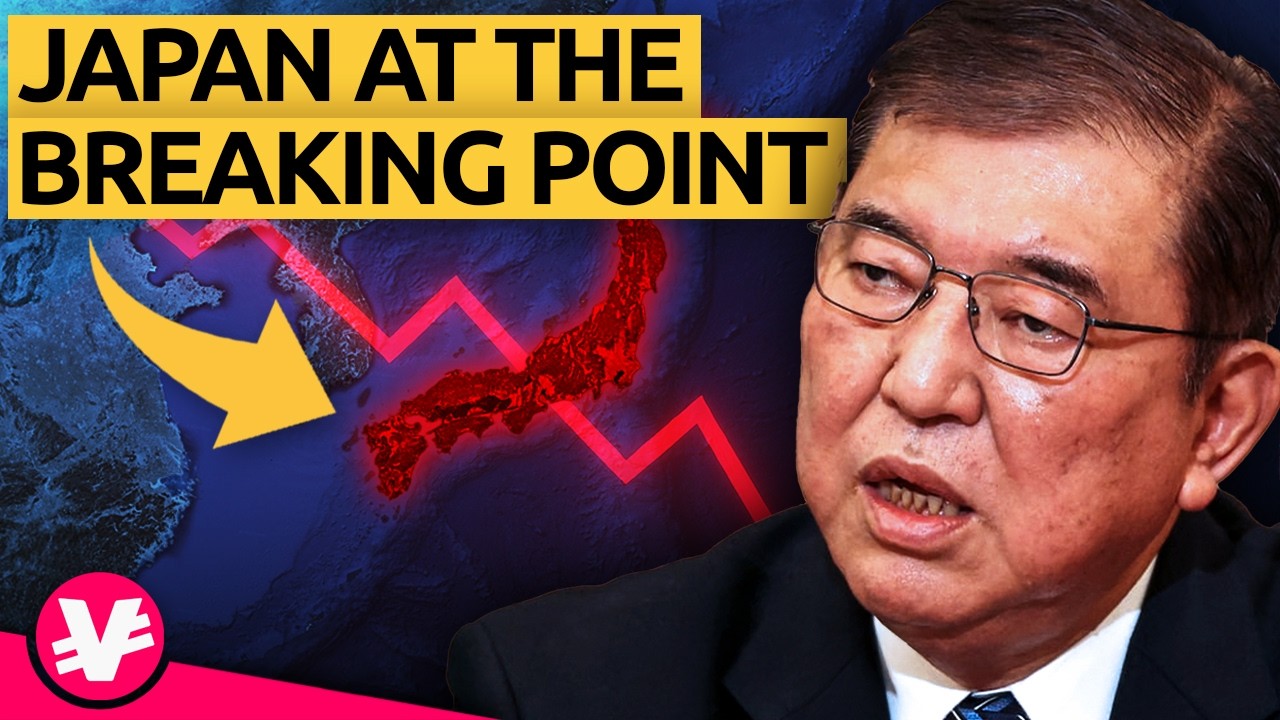
Japan's financial precipice

COSTCO profits from Fees

AI bust: Layoffs & Rent surge

Russia’s dollar pivot

Ukraine sends ground robots

Studio Kremlin: creative co-working in Paris

Culture: Serbia’s architectural marvels

EU Residence permits: Record level to third nationals